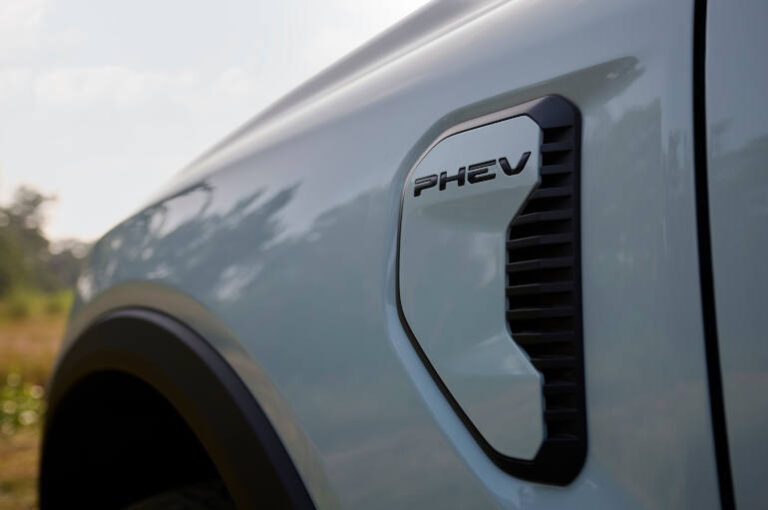
Fleet Managers, brace yourselves: you’ve been sold a lemon with a shiny plug on the side. Plug-in Hybrid Electric Vehicles (PHEVs) have been pitched as the magical stepping stone to full electrification—a way to reduce emissions, keep long range, and delay the uncomfortable conversations about charging infrastructure. But in reality, PHEVs are not the silver bullet they’ve been marketed to be. They’re more like a sugar hit: a quick fix that leaves you with a bigger problem later.
The Mirage of PHEV Benefits
On paper, PHEVs look irresistible. Lower emissions, the option of running purely on electricity for short trips, and petrol or diesel backup for the long hauls. For fleet managers under pressure to cut emissions, they promise a buffer of time before the hard work of building EV infrastructure and rewriting fleet policy begins.
But here’s the rub: if your drivers aren’t plugging them in religiously, your PHEV is just a heavier, thirstier petrol car. The batteries add weight, fuel consumption goes up, and your “green fleet” starts looking browner than ever.
When Fit-for-Purpose Becomes Fit-for-Marketing
Nowhere is the con clearer than with the holy grail of Aussie fleets: the dual-cab ute. A PHEV ute seems like the dream solution—until you try to order one. Many arrive in “lifestyle” trims with a tub, not the cab-chassis flexibility fleet buyers need.
Instead of solving problems, fleets are simply delaying the inevitable fit-for-purpose discussion: do you actually need a ute, or could a passenger EV or SUV do the job? Sure, they might not look as rugged or satisfy the testosterone-fuelled obsession with big utilities, but emissions reduction isn’t about posturing—it’s about performance.
Why PHEVs Can Make Emissions Worse
Here’s the uncomfortable truth: without proper charging behaviour, PHEVs can actually make your fleet’s emissions profile worse than the vehicles they replaced. And yet many organisations have leaned on them as a “get-out-of-jail-free” card, sidestepping the real planning and investment needed for electrification.
This isn’t just bad for the planet. It’s bad for your reporting. With NVES standards, corporate sustainability targets, and community scrutiny tightening, fleets that banked on PHEVs without usage discipline will soon be exposed.
The Work You Can’t Avoid
Transitioning to EVs isn’t something you can shortcut. It requires:
- Strategy and Policy – Define your fleet goals and emissions targets.
- Baseline Reporting – Use fuel data to establish an accurate emissions baseline.
- Behavioural Analysis – Understand where vehicles park, daily trip lengths, utilisation, and whether you have too many vehicles in the first place.
- Charging Strategy – Plan for home, depot, and public charging in a structured way.
- Staff Engagement – Train drivers on new refuelling patterns and trip planning.
Yes, it’s more work than signing a lease on a “green-badged” ute, but it’s the only path to genuine emissions reduction.
Time to Call the Bluff
Fleet Managers haven’t been lazy—they’ve been lured. The industry promised that PHEVs would bridge the gap. In truth, they’ve often distracted fleets from doing the hard yards: building a strategy, investing in charging, and reshaping policies to meet future standards.
If your goal is to reduce emissions, PHEVs aren’t your saviour. Without a proper plan, they’re just a very expensive way to avoid reality. The con is over. It’s time to do the real work.

- Toyota Targets Fleet Emissions With Renewable Diesel
 Toyota Australia has confirmed that diesel-powered HiLux models built from mid-2015 can operate on 100 per cent hydrotreated vegetable oil, giving fleet operators another potential pathway to reduce lifecycle emissions without replacing existing vehicles. The announcement covers HiLux models equipped with Toyota’s 1GD and 2GD turbo-diesel engines. With more than half a million N80 and
 - Depots, substations and homes: Ausgrid’s different approach to EV chargingAusgrid is a finalist in the Fleet of the Year category in the 2026 Fleet News Group Awards. In the third article in our six-part series, we look beyond the electric vehicles and examine how Ausgrid is designing a charging system around the way its fleet actually operates. Fleet electrification is often discussed as a
- Fuel volatility strengthens the case for a multi-energy fleet strategyAustralia does not have a diesel engine problem—it has a fuel confidence problem. That was the central message from Shayne Commons, Director of Product Strategy at Volvo Group Australia, during his presentation at TruckShowX, where he addressed concerns about diesel supply, fuel quality and the future energy mix for heavy transport. Commons said recent disruption
- Grid capacity, not charger speed, is shaping the next phase of EV chargingThe public charging market has spent years promoting bigger and faster chargers, but the next phase of EV infrastructure will be shaped just as much by grid capacity as charger output. Speaking with Fleet EV News at the Autel EV Innovation Seminar 2026, Peter Burke, EV Infrastructure Delivery at the NRMA, said newer electric vehicles
- NZ Police turns written-off vehicles into a national parts supply chainNew Zealand Police has developed a practical approach to improving fleet availability and reducing repair costs by turning written-off vehicles into a national parts supply chain. The initiative, known as the Vehicle Donor Programme, focuses on recovering usable components from vehicles deemed total losses and redeploying them to keep frontline vehicles on the road. The program