Australia’s new vehicle market delivered another strong result in April 2026, but the real story sits beneath the headline number. A total of 92,591 vehicles were sold for the month, up 2.2 per cent year-on-year, yet the composition of those sales is shifting rapidly as electric vehicles and new brands reshape the leaderboard.
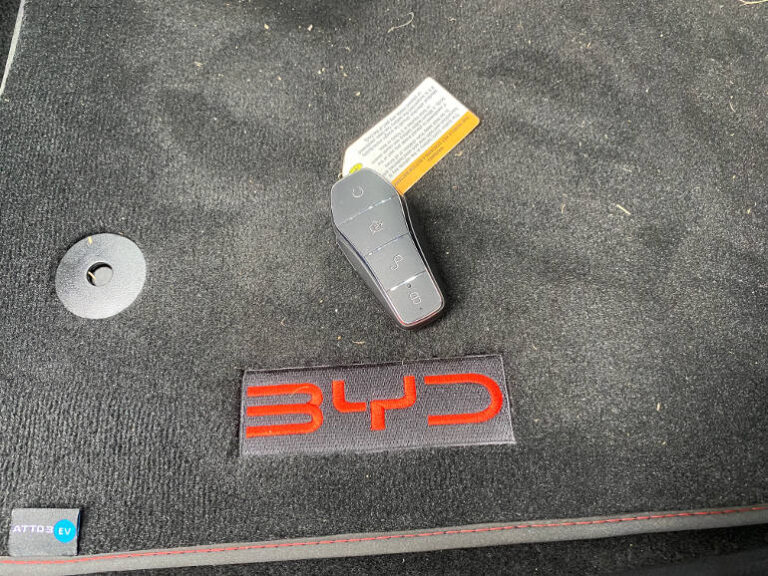
The standout performer was BYD, which surged into the number two position for the month with 7,702 deliveries and an 8.3 per cent market share. This result signals more than just a good month—it reflects a structural change in the Australian market, where brands with strong EV line-ups are gaining momentum while those without credible electrification strategies are starting to lose ground.
Toyota remained the clear market leader with 15,185 sales, but the gap behind it is tightening as BYD and other challenger brands continue to grow. The presence of Chinese manufacturers is also becoming more pronounced, accounting for around 30 per cent of total sales in April, highlighting how quickly the competitive landscape is evolving.

EV adoption hits a tipping point
The biggest headline from April is the scale of EV adoption. A total of 14,001 electric vehicles were delivered during the month, representing 15.12 per cent of all new vehicle sales. That figure is broadly consistent with the FCAI’s reported share of around one in six vehicles sold being electric.
Twelve months ago, this level of market penetration would have been considered unrealistic. Today, it is being driven by a combination of increased model availability, government incentives, and changing consumer behaviour.
As Federal Chamber of Automotive Industries Chief Executive Tony Weber noted, “The increase in supply of EVs since the introduction of the New Vehicle Efficiency Scheme, combined with higher petrol prices and the continued support provided through the Federal Government’s Electric Car Discount, is now translating into stronger demand.”
There are now around 110 EV models available in Australia, and that expanding choice is clearly translating into higher sales volumes.
Retail demand reshapes fleet mix
One of the more subtle but important shifts in April was the change in buyer mix. Strong retail demand for EVs reduced fleet sales as a proportion of the market to just 45 per cent for the month.
This is a significant development. Fleet buyers have traditionally dominated new vehicle purchases in Australia, but the rapid rise of EVs—particularly through novated leasing and private buyers—has shifted the balance.
It also highlights a key dynamic in the transition to electrification: early adoption is being led by retail and salary packaging channels, while many fleets are still working through operational, infrastructure, and policy challenges before scaling up EV deployments.
Winners and losers in the transition
The April results reinforce a clear trend: brands aligned with electrification are moving up the rankings, while those without a strong EV offering are starting to slip.
BYD’s rise is the most visible example, but it is part of a broader shift that includes brands like GWM and Chery gaining share. At the same time, traditional players without competitive EV line-ups are finding it harder to maintain their historical positions.
This is not just about product—it is about timing. The market is now rewarding brands that can supply EVs at scale, with competitive pricing and strong specifications.
Market remains resilient
Despite the structural changes, the overall market remains stable. Growth of 2.2 per cent year-on-year shows that demand is holding up, even with ongoing economic uncertainty and the prospect of further interest rate rises.
SUVs continue to dominate, accounting for the majority of sales, while utes like the Ford Ranger and Toyota HiLux remain among the top-selling models.
However, even within these segments, electrification is starting to influence buyer decisions, particularly as hybrid and plug-in hybrid options become more widely available.
A market changing faster than expected
April 2026 will be remembered as a milestone month for the Australian automotive industry. The combination of BYD’s rise, record EV penetration, and a shift in buyer mix points to a market that is changing faster than many expected.
The key takeaway is not just that EVs are growing—it is that they are now reshaping the competitive order.
For brands, the message is clear: electrification is no longer a future strategy. It is a current requirement to stay relevant in the Australian market.