
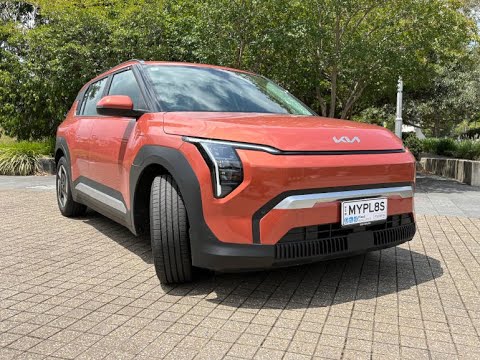
A sharp increase in electric vehicle demand is reshaping fleet purchasing decisions across Australia, creating an opportunity for organisations already operating internal combustion engine (ICE) and hybrid vehicles from Kia to transition to electric models without changing suppliers.
The shift has been particularly noticeable in recent months, with manufacturers reporting a rapid change in customer preferences as operating costs, emissions targets, and product availability continue to evolve.
Speaking at the Melbourne Motor Show, Dean Norbiato, General Manager – Marketing at Kia Australia, described the pace of change as unprecedented for the brand.
“We’ve never seen this level of change in product type in a one month period where at one point we were selling of our mix 10% EV, last weekend it was 48% that has been the shift in demand for product type.”
Dean Norbiato, General Manager – Marketing at Kia Australia
For Fleet Managers, this type of rapid transition highlights the importance of supplier capability. The ability to offer multiple powertrain options within a single brand relationship can simplify procurement, training, servicing, and driver acceptance.
Continuity Matters When Technology Changes
One of the practical challenges facing fleet operators is managing the transition to electric vehicles while maintaining operational continuity.
Many organisations have built long-standing relationships with suppliers based on service support, vehicle reliability, and parts availability. Changing powertrain technology does not automatically mean changing brand.
Norbiato believes this continuity is one of Kia’s strengths in the fleet market.
“I think that’s the real benefit of Kia fleet. And the fleet edge for our brand is that we have some fleets who have all three of our product, electrified, hybrid and internal combustion, with the one fleet and the ability to have one relationship, as opposed to three different for that product type,” he explained.
For Procurement Managers, this approach reduces complexity. It allows fleets to introduce electric vehicles gradually while maintaining familiar vehicle platforms and established supplier support structures.
Light Commercial Vehicles Are the Next Step
The growth in EV sales is not limited to passenger vehicles. Demand for electric light commercial vehicles is increasing as delivery services, trades, and service fleets look for practical solutions that align with sustainability goals and operating cost pressures.
Kia’s expansion into this segment reflects a broader industry trend. Manufacturers are recognising that electrification in commercial fleets will be driven by real-world use cases rather than policy targets alone.
Electric vans and utes are increasingly being evaluated on:
- Payload and cargo capacity
- Range suitability for daily routes
- Charging infrastructure access
- Whole-of-life cost
- Residual value confidence
For fleets already running Kia passenger vehicles or SUVs, the introduction of electric commercial models creates a logical progression rather than a disruptive change.
Fleet Transitions Are Rarely Immediate
Despite the surge in EV interest, most fleet transitions will occur gradually. Replacement cycles, capital budgets, and operational risk management all influence the pace of adoption.
Kia has acknowledges that fleet relationships are built over time and that commercial vehicle sales require patience and consistency.
This long-term perspective aligns with the way most fleets operate. Decisions are based on lifecycle planning, risk management, and operational performance rather than short-term market trends.
The Strategic Advantage of Staying with a Known Supplier
For many organisations, the transition to electric vehicles will involve balancing innovation with stability. Remaining with an existing supplier can offer several practical advantages:
- Established service and maintenance networks
- Familiar vehicle platforms and driver acceptance
- Simplified procurement and contract management
- Consistent parts and support availability
- Stronger resale value confidence through brand continuity
These factors often carry more weight in fleet decisions than headline specifications or early adopter incentives.
A Market Shift That Rewards Preparation
The recent surge in EV demand is unlikely to be a short-term spike. Instead, it reflects a structural change in how fleets are planning vehicle replacement strategies.
Manufacturers that can support fleets across multiple powertrains—ICE, hybrid, and electric—are better positioned to retain customers as technology evolves.
For fleets already operating Kia vehicles, the opportunity is not simply to adopt electric vehicles, but to do so within a familiar ecosystem that supports gradual, low-risk transition.
As Norbiato noted, the strength of the brand lies in its ability to adapt alongside its customers.
“We’re very blessed to have a product portfolio that can cater to the changing demands of the customer.”