

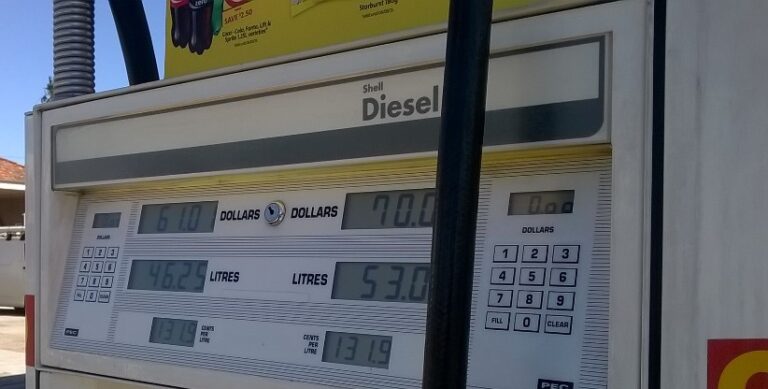
The sharp movement in fuel prices earlier this year provided Fleet Managers with a reminder that fuel expenditure is not only a budgeting issue.
Rapid price increases can affect credit limits, cash flow, driver behaviour and exposure to misuse or fraud.
Matt Arthur, Vice President Mobility APAC at WEX, said the period of fuel price volatility resulted in significant changes in how business customers used WEX’s digital tools.
“What we found, particularly with the fuel price volatility, was a 350% increase in the downloads and usage of our app,” Arthur said.
Drivers could use the Motorpass Driver App to find nearby fuel locations and see real-time pricing before deciding where to refuel.
For fleets with high monthly fuel consumption, small differences in pump prices can quickly become material.
Credit limits can become a fleet issue
One issue that can be overlooked during a rapid fuel price increase is the impact on existing account limits.
A credit limit established when fuel prices were lower may suddenly become inadequate even when vehicle utilisation has not changed.
Arthur said WEX responded by increasing available credit for a large number of customers.
“We proactively offered thousands of customers increases in their credit limits,” he said.
He said the response was designed to help businesses maintain operations during the period of volatility.
“We provided the industry many millions of dollars in cash flow to help them keep their businesses going,” Arthur said.
For Fleet Managers, it highlights the importance of understanding how fuel payment arrangements would cope with another sudden increase in prices.
That can mean checking account limits before they become a problem rather than waiting until transactions start being declined.
Network choice can influence fuel costs
Arthur also argues that giving drivers access to multiple fuel brands can help fleets reduce expenditure.
“When our customers use our multi-brand product, we estimate we save them around 10 cents per litre on fuel through network choice,” he said.
The challenge for Fleet Managers is translating access to pricing information into driver behaviour.
Drivers may naturally select the most convenient service station rather than the cheapest option, particularly when the organisation is paying the bill.
Digital tools can make price differences visible, but fleets may still need policies, reporting and communication to encourage employees to consider cost without creating unnecessary detours or lost productivity.
Prepare before the next spike
Arthur was reluctant to predict where fuel prices will move next.
“I’ve got no idea,” he said when asked whether Fleet Managers should expect another price spike.
He said the priority is making sure businesses can continue operating through periods of volatility.
“We want to make sure that we’re keeping our drivers on the road and our customers working and providing the right services,” Arthur said.
That uncertainty is arguably the point.
Fleet Managers cannot control international oil markets or future fuel prices, but they can review the systems used to manage expenditure.
Credit limits, payment controls, fuel network coverage, transaction data and driver behaviour all become more important when prices rise rapidly.
The lesson from the recent volatility is therefore not to predict the next spike. It is to make sure fleet payment and fuel management processes can cope when it arrives.