IAG has joined international motor insurance research institutes in calling for closer collaboration between insurers and vehicle manufacturers to improve road safety and make vehicles easier and more affordable to repair.
For fleet managers, the call highlights the importance of looking beyond purchase price and safety features when selecting vehicles. Repairability, parts availability and the time required to return a damaged vehicle to service all influence whole-of-life costs.
IAG is Australia’s only member of international insurance research body RCAR, which works to reduce accident-related damage and improve repair efficiency. Representatives from 19 research institutes across 15 countries gathered in Mexico City for its annual conference to examine how vehicle design can support these objectives.
Repairability needs to be considered early
Head of the IAG Research Centre, Shawn Ticehurst, said rapidly evolving vehicle technology was improving the driving experience, but repair considerations needed to keep pace.
“However, those benefits need to be balanced with designing vehicles that can also be safely repaired,” Mr Ticehurst said.
The IAG Research Centre undertakes detailed vehicle dismantling to understand repair requirements, improve repair time guidance and assess how emerging technologies affect parts costs, repairability and safety.
Its work also explores new repair techniques and innovations that could help vehicles return to service safely and efficiently.
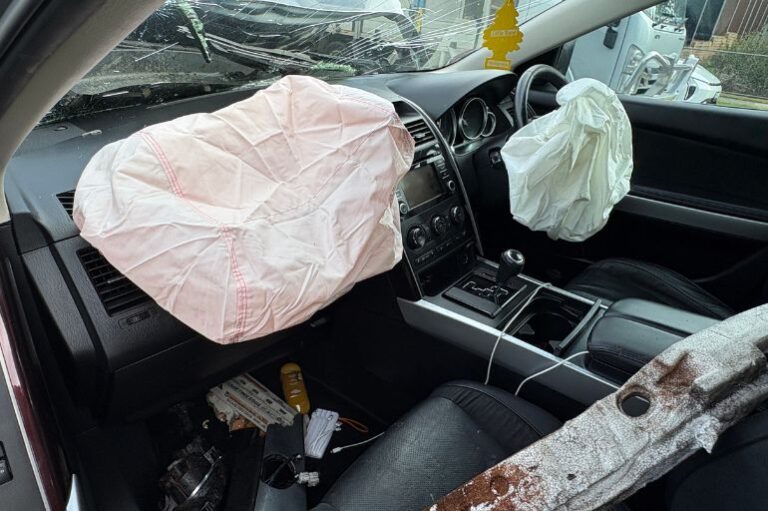
For fleets, these considerations become particularly relevant when a relatively minor collision results in lengthy downtime or a complex repair involving multiple vehicle systems.
Preventing damage at low speeds
Conference discussions highlighted the potential for automatic emergency braking systems designed for low-speed parking and manoeuvring to reduce collision damage claims.
For fleets operating in car parks, depots and other confined spaces, these systems could help prevent incidents that generate repair bills and disrupt vehicle availability.
RCAR members also advocated for vehicle designs that minimise damage severity when a collision occurs, supporting more efficient repairs.
The focus extends beyond preventing serious crashes to reducing the operational and financial consequences of everyday vehicle damage.
Repair rather than replace
With repair costs rising globally amid increasing vehicle complexity and parts supply challenges, RCAR members are encouraging manufacturers to consider repair outcomes earlier in the design process.
They are also supporting repair practices that prioritise repairing damaged components where appropriate, rather than replacing them.
For fleet managers, the practical implication is to include repair considerations in procurement discussions. Questions about parts availability, repair methods and access to suitably equipped repairers can help build a clearer picture of a vehicle’s operating costs.
Safety technology remains another part of that assessment. IAG’s recent Australian research found that broader adoption and use of advanced driver assistance systems, including autonomous emergency braking and lane keeping assist, could prevent one in five road casualties.
The combined message for fleets is clear: vehicle selection should consider both the ability to prevent a collision and the ability to recover efficiently when one occurs.