

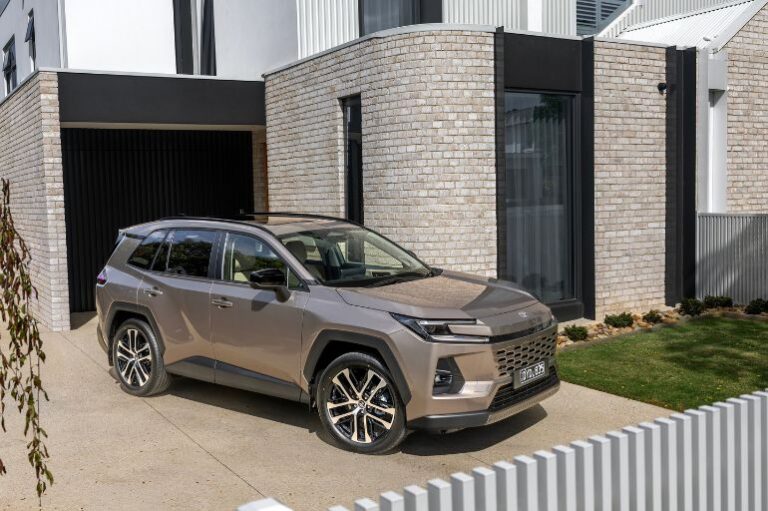
Toyota says increased vehicle supply is helping reduce delivery wait times across its Australian range, giving Fleet Managers more scope to progress replacement programmes as the manufacturer targets a record final quarter of 2026.
However, shipping constraints, stock processing and commercial vehicle body builds remain factors in delivery timing. For fleet buyers, the improving outlook still requires planning around the vehicle’s arrival and the work needed before it can enter service.
Speaking at Toyota’s latest business update, Vice President of Sales, Marketing and Franchise Operations John Pappas said the company’s challenge was getting vehicles to customers rather than generating orders.
“So it’s not really an issue of demand. It’s actually an issue of getting the cars logistics and getting the cars shipment-wise,” Pappas said.

Wait times move towards three months
Pappas said Toyota had reduced average delivery wait times to between three and six months, with additional stock bringing many models closer to the shorter end of that range.
“You know, we’re now on average anywhere between three and six months, but to be honest, now with the extra stock, a lot of our models are nearing the three-month mark when it comes to wait times, which is good.”
The improvement follows longer lead times earlier in the year. Toyota says support from its Japanese parent company has helped secure additional vehicles across passenger hybrids, RAV4, bZ4X, HiLux, Prado and LandCruiser.
Pappas said the company had experienced a backlog of bZ4X orders following the fuel price spike, while HiLux and diesel SUV demand had also required additional supply.
These are broad indications across Toyota’s range, rather than delivery commitments for individual orders. Fleet Managers should confirm availability for the required model, grade and configuration before adjusting replacement schedules or disposal dates.
Commercial fleets need to allow for body builds
For light commercial fleets, vehicle arrival is only one part of the procurement process.
Pappas acknowledged that body construction can extend lead times, making advance planning particularly important for vehicles requiring additional work before deployment.
“There’s a lot of body build involved, so obviously they have a longer lead time. And then with fleet ordering, you know, you have to plan out ahead with all those things.”
That distinction matters for Fleet Coordinators managing replacements involving service bodies, trays, specialist equipment or other modifications.
A shorter chassis delivery time may help move an order forward, but the operational handover date still depends on body builder capacity, equipment installation and commissioning. Coordinating those stages with suppliers remains essential to avoiding a gap between disposing of an existing vehicle and putting its replacement into service.
Record quarter will test logistics
Toyota recorded 17,682 Australian sales in September and expects to finish 2026 above 220,000 vehicles, while seeking to get as close as possible to its earlier forecast of 230,000.
Pappas said Toyota was targeting a record fourth quarter, exceeding the approximately 66,000 vehicles delivered during the final quarter of 2020.
The expected increase in deliveries follows a slower start to the year involving RAV4 and HiLux supply. Toyota now faces the challenge of moving a larger volume through its supply chain in the remaining months.
“We’ve got the demand for it. Our challenge now is making sure that we can, you know, get it in and process the stock.”
For fleet buyers, the sales forecast signals improving supply, but it also highlights the pressure on shipping and delivery operations. Organisations with firm replacement deadlines should maintain contact with dealers and conversion suppliers as orders progress.