Sydney’s Mobility Live Australia once again proved why it’s the must-attend event for the country’s fleet, transport, and mobility professionals. Across the exhibition floor, conversations focused on practical solutions — from upskilling technicians for the EV era to smarter vehicle management and purpose-built fleet conversions.
Here’s what three exhibitors said about why this year’s event mattered.
MTA NSW: Training the Next Generation of EV Technicians
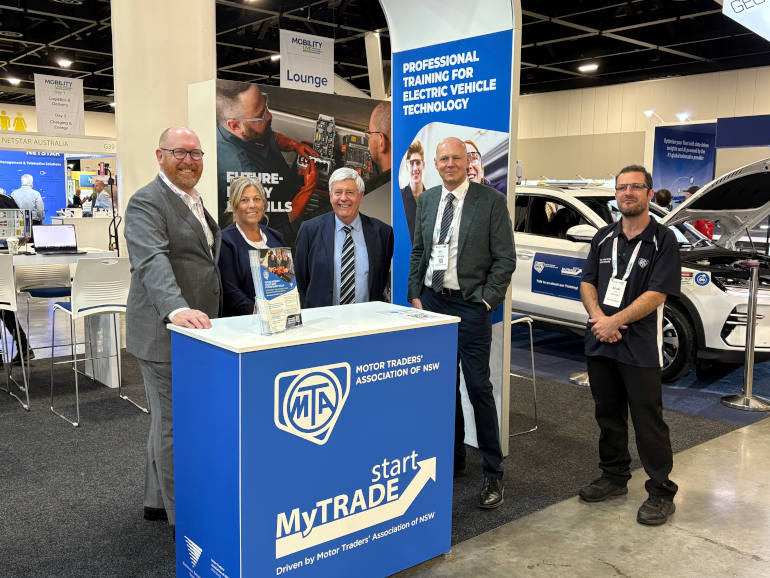
For the Motor Traders’ Association of NSW (MTA NSW), Mobility Live was an opportunity to demonstrate how the industry can safely transition into the electric era. Their stand featured a live high-voltage Powerwall simulation — allowing visitors to experience how technicians are trained to service and repair EVs safely.
“What we’re looking at here is a high-voltage Powerwall — it’s a safe environment that helps technicians build confidence to work on high-voltage equipment,” explained Frank from MTA NSW. “It’s a bit different from a normal car nowadays, so this allows us to simulate and train for real-world conditions.”
As EV adoption accelerates, MTA NSW is ensuring Australia’s workshop workforce is ready for the change. Their focus on hands-on learning drew strong interest from councils, workshops, and fleet operators seeking accredited EV training programs.
“We’re helping the industry gain the skills needed for a safe, confident transition,” Frank added.
DingGo: Reducing Downtime with Digital Accident Management
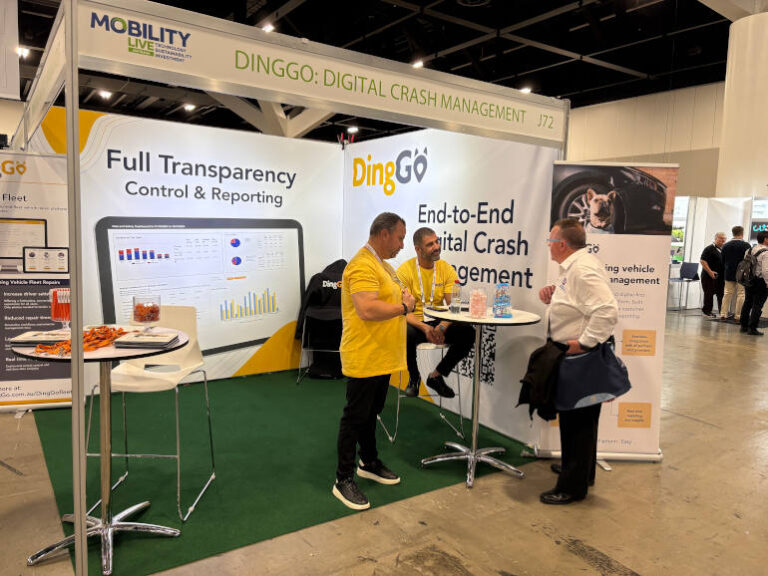
For DingGo, Mobility Live was about connecting with customers and showing how digitalisation is transforming accident management. The company provides an end-to-end digital platform that streamlines vehicle repair and downtime management — critical for any fleet aiming to reduce total cost of ownership.
“We’ve been catching up with all our fleet customers — some new, some old — and guiding them through that journey of end-to-end accident management through a digital platform,” said John Makhoul, Head of Sales at DingGo.
He said most conversations centred on pain points fleet operators face daily.
“It’s about understanding the challenges they have in managing repairs, knowing their cost to repair and days off road — and how we can help minimise that for them.”
The stand attracted steady traffic as managers looked for solutions to speed up claims and keep vehicles working — a key focus for businesses under cost and utilisation pressure.
RXI: Fit-for-Purpose Fleet Innovation on Display
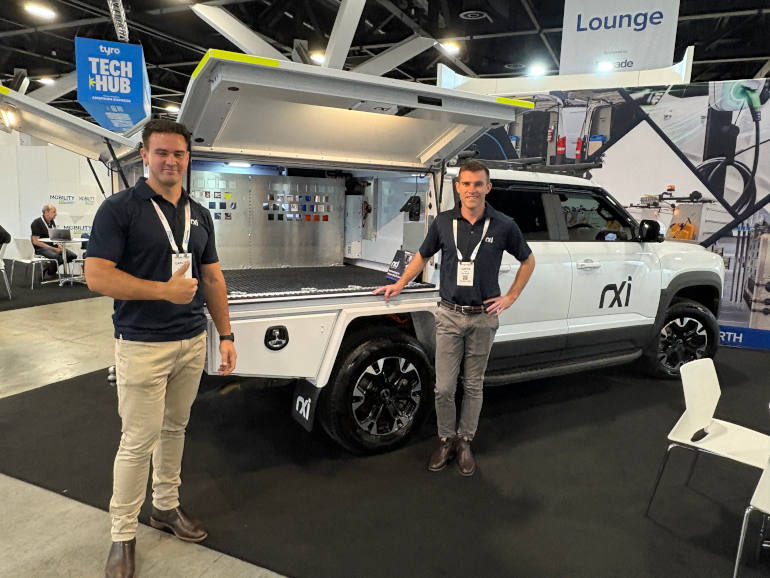
RXI turned heads on the show floor with one of the event’s most talked-about displays — a BYD Shark plug-in hybrid ute fitted with a full service body. It was the first time many attendees had seen a PHEV utility configured for real-world fleet work.
“The positivity towards the new BYD Shark has been awesome,” said Carlton Caldwell from RXI. “There’s been a lot of hype and a lot of great questions. It’s a great show — Mobility Live’s been fantastic for us.”
For many fleet buyers, the appeal was simple: capability without compromise.
“This is the first fit-for-purpose service body a lot of people have seen,” Caldwell said. “It’s got lots of space and flexibility for different industries — and that’s exactly what fleets need every day.”
The display underscored how the plug-in hybrid segment is helping fleets balance sustainability targets with operational needs — a key talking point across the two-day event.
Collaboration Driving Real Change
From the practical demonstrations by MTA NSW, to DingGo’s streamlined repair solutions, and RXI’s fit-for-purpose fleet innovation, exhibitors agreed that Mobility Live is about more than products — it’s about partnership and progress.
“Events like this let us connect directly with the people who make things happen,” one exhibitor said. “It’s not just about technology; it’s about collaboration across the entire fleet ecosystem.”
Mobility Live Australia 2025 showed once again why it’s the centrepiece of the country’s mobility calendar — where fleet professionals, suppliers, and innovators come together to shape the next generation of safe, sustainable, and efficient transport.
- Chery adds fleet muscle behind its growing vehicle range
 Chery is expanding its fleet sales team in Australia, but Chief Operating Officer Lucas Harris says winning fleet business will depend on much more than putting more people on the road. For Fleet Managers, the bigger issue is confidence that the organisation behind the vehicles can support them throughout the ownership cycle. That means fleet
 - Parts and servicing become BYD’s next fleet challengeAs BYD grows its share of the Australian fleet market, the company is also expanding the dealer, parts and technical support network needed to keep those vehicles operating. Marcus Walker, National Fleet Sales Manager at BYD Australia and New Zealand, told the Fleet News Group in an interview for a podcast episode that BYD currently
- What Ford Pro Means for FleetsFord Pro has officially launched in Australia, bringing a broader commercial vehicle support model that aims to combine vehicles, finance, conversions, servicing and software into a more integrated offering for fleet customers. For Fleet Managers, however, the important question is not simply what Ford Pro promises globally, but which parts of that ecosystem are available
- WEX and Mastercard target fleet payment fragmentationWEX and Mastercard have announced a strategic partnership to bring fuel, vehicle maintenance, tolling and parking payments into a single payment experience for fleets across Asia-Pacific. The partnership aims to reduce the administrative work created when fleet expenses sit across separate payment systems, while giving Fleet Managers a more complete view of operating costs. For
- Toyota flags price pressure on diesels from 2027Toyota has warned that tighter emissions targets from 2027 could place upward pressure on commercial vehicle prices as it balances continued demand for diesel models with its obligations under the New Vehicle Efficiency Standard (NVES). The manufacturer has not announced any price increases or provided details on affected models, amounts or implementation dates. However, its