
The ANCAP five-star rating system has long served as a trusted benchmark for fleet vehicle safety. But with the release of the Kia K4’s dual safety rating—five stars for most variants and just four for the base model—it’s clear the landscape is shifting. The issue isn’t just about star ratings anymore. It’s about real-world protection, especially for those outside the vehicle: pedestrians, cyclists, and other vulnerable road users (VRUs).
ANCAP: No Longer a One-Size-Fits-All Standard
The Kia K4 S variant, when purchased without the optional Safety Pack, lacks critical crash avoidance tech found in the rest of the K4 range. The omission of advanced AEB tuning, including the ability to detect vehicles or motorcycles in adjacent lanes, contributes to its lower VRU Protection score (73% vs 77%) and ultimately, a reduced four-star ANCAP safety rating.
This variation shows that even among the same model, specification matters. And it’s a wake-up call for fleet managers who still rely on a blanket “must be five-star ANCAP rated” clause in procurement policies.
The Kia Tasman: A New Ute, an Old Problem
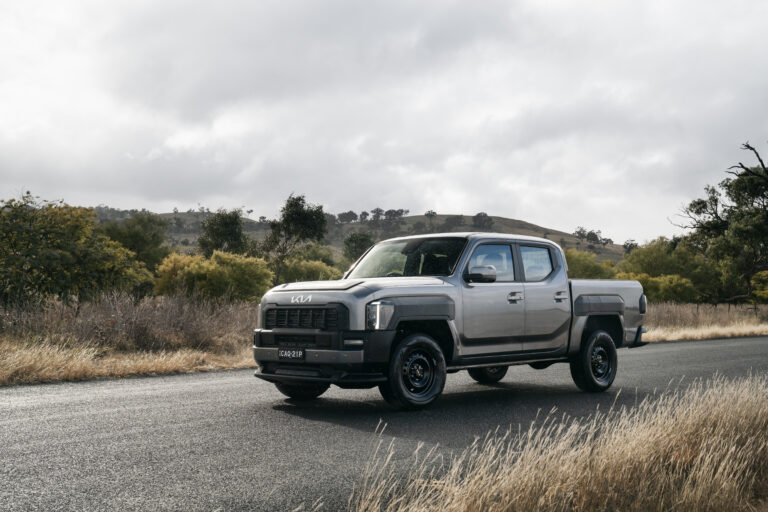
A more striking example comes from Kia’s 4X4 dual-cab ute, the Kia Tasman. Only one Tasman variant has been awarded a five-star ANCAP rating, with the others remaining unrated due to front bumper designs that may not meet VRU protection thresholds under the current test protocols.
The concern isn’t just styling—it’s functionality and physics. Front-end profiles optimised for off-road clearance often feature:
- Higher, flatter bonnets
- Minimal pedestrian-impact cushioning
- Bull bar compatibility over crumple zones
These design elements reduce the ability to absorb energy in the event of a collision with a pedestrian or cyclist, increasing the risk of serious injury or fatality.
The Hidden Risk of Aftermarket Modifications
Even when a vehicle rolls off the production line with a five-star ANCAP rating, that score can be invalidated. Fitting an aftermarket bull bar or frontal protection system can void the rating, particularly if it:
- Interferes with the operation of airbags or sensors
- Increases pedestrian injury risk
- Has not been crash-tested in conjunction with the original design
Several fleet vehicles—including popular utes and SUVs—lose their compliance with ANCAP protocols the moment a non-approved bull bar is added, especially if it compromises pedestrian protection zones or alters airbag deployment timing.
Yet these modifications remain common in tool-of-trade vehicles, especially in industries such as:
- Utilities and local government
- Mining and construction
- Agriculture and land management
The Broader Implication for Fleet Policy
If your organisation is relying on a spreadsheet of five-star-rated vehicles without checking:
- Which variant has been tested
- What safety features are standard or optional
- Whether modifications have been added post-sale
…then your safety framework may be out of date.
And it’s not just tool-of-trade fleets that are affected. Think about:
- Novated lease vehicles selected by employees with little fleet oversight
- Grey fleet use where personal vehicles are driven for work purposes
- Short-term rentals that may not match safety expectations
- Pool vehicles used by multiple drivers, often for short or urgent trips
Each scenario poses its own risk—and without a policy that goes deeper than the ANCAP star, organisations may be missing key mitigation strategies.
Policy Recommendations for Fleet Managers
- Define Safety by Features, Not Stars
Use technology-based criteria such as AEB with pedestrian/cyclist detection, VRU protection score ≥75%, and lane keeping assist as minimum requirements—regardless of ANCAP rating. - Avoid Vehicle Grades with Optional Safety
Only procure variants where the full safety suite is standard, or budget for Safety Pack upgrades where needed. - Restrict Use of Aftermarket Bull Bars
Ensure all bull bars fitted to fleet vehicles are airbag compatible, sensor compatible, and ANCAP-aligned. Consider banning non-compliant bars altogether. - Apply Safety Requirements Across Vehicle Types
Extend your fleet policy to cover novated, grey fleet, rental, and personal-use vehicles, ensuring all are fit for purpose and safe for all road users. - Educate Decision-Makers and Drivers
Provide ongoing training and awareness for procurement staff, vehicle users, and senior leaders about evolving safety standards.
Protecting People, Not Just Policies
The modern fleet isn’t defined by badges or star ratings. It’s defined by diversity, mobility models, and real-world exposure to risk—including risk to vulnerable road users.
As manufacturers juggle price points, trim lines, and styling cues, fleet operators must become more discerning. Whether it’s the Kia K4’s missing AEB features in its base model or the Kia Tasman’s untested variants due to front-end geometry, the gap between perception and protection is widening.
Now is the time to rethink what fleet safety really means—because in 2025, a star alone isn’t enough.
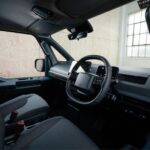
- Kia PV5 review: An electric van that feels ready for work
 The Kia PV5 arrives with an unusual job to do. It has to convince businesses that an electric van can deliver the practicality expected from a commercial vehicle while also offering the quieter, smoother driving experience that comes with an EV. After driving the PV5 at its Australian launch, the first impression is that Kia
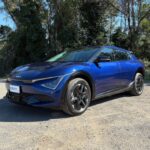
 - Kia EV6 Air review: My heart says yes, but my fleet brain says noThe Kia EV6 is one of those cars I had almost forgotten about. That sounds harsh, because when the EV6 arrived in Australia in 2022 it was one of the most interesting electric cars on the market. It looked different, it drove properly, and when the EV6 GT started lining up against supercars in drag
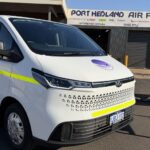
- LDV Deliver 7 LWB Review: After The First 1,890kmWhen Port Hedland Air Freight Director Dominic Barlow needed another van for the business, he wasn’t looking for something to impress on a short test drive. He needed a vehicle that could earn its keep. After buying an LDV Deliver 7 LWB in Perth and driving it 1,890 kilometres north to Port Hedland, he shared
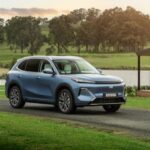
- Geely Starray EM-i review: Big on space, strong on value and easy to live withThe Geely Starray EM-i arrives in Australia with a fairly simple proposition: give buyers the smoothness and convenience of electric driving around town, add a petrol engine for longer journeys, wrap it all in a roomy SUV and keep the price within reach of mainstream buyers. After spending time with the Starray EM-i around Sydney
- Toyota HiLux BEV off-road review: The quiet achiever goes bushThere is something faintly suspicious about climbing a rocky hill in a HiLux and hearing almost nothing. Normally, a serious off-road climb has a soundtrack. There is diesel revving, tyres scrabbling, a little gravel being aggressively relocated and someone in the passenger seat asking whether that rock was meant to be there. The Toyota HiLux