

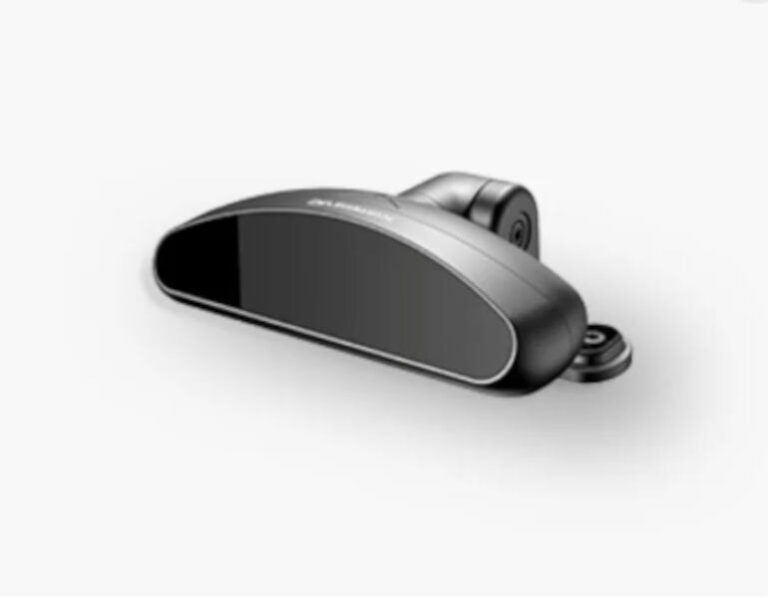
Microlise has introduced a new generation of AI-powered distraction cameras designed to help fleet operators proactively manage driver behaviour, improve safety outcomes, and demonstrate compliance with increasingly strict regulatory expectations.
Announced in Sydney on 30 April 2026, the updated system combines inward-facing driver monitoring with Advanced Driver Assistance Systems (ADAS), providing fleets with real-time alerts when risky behaviours are detected and a centralised platform to review incidents across the entire fleet.
The technology reflects a broader shift in fleet safety management—from reactive incident response to proactive risk management supported by data and evidence.

A stronger focus on distraction and fatigue risk
Driver distraction remains a significant contributor to road trauma in Australia, particularly for commercial vehicle operators working under tight schedules and demanding operating environments.
According to Microlise, the upgraded system expands its ability to detect fatigue and distraction indicators such as yawning, drowsiness, phone use, smoking, eating, and seatbelt non-compliance. The intention is to intervene early—before a near miss becomes a reportable incident.
Luke Olsen, Managing Director, APAC at Microlise, said the new capability aligns with the industry’s long-term safety goals.
“As Australia works towards its goal of zero deaths and injuries on our roads by 2050, initiatives to combat driver distraction are being embraced far and wide,” said Olsen.
“Our enhanced AI distraction cameras enable fleet managers to improve safety, reduce risk and lower insurance costs by proactively managing driver behaviour, establishing liability quickly and supporting compliance with industry standards, all from one platform.”
From a fleet management perspective, this type of system can support both operational safety and governance requirements—particularly under Chain of Responsibility (CoR) obligations, where organisations must demonstrate that risks are being actively managed, not simply documented.
Integration with broader vehicle safety systems
The new distraction camera has been developed in partnership with Streamax and forms part of Microlise’s multi-camera platform, which can include forward-facing, blind-spot and driver monitoring cameras.
The system captures events and stores video footage in a centralised dashboard, allowing Fleet Managers and safety teams to review incidents without needing to access individual vehicles. The dashboard includes mapping tools that display the location, duration and type of event, making it easier to identify patterns and trends across the fleet.
This capability is particularly relevant for large or geographically dispersed fleets where manual incident investigation can consume significant administrative time.
Bill Wang, CEO at Streamax, emphasised the operational value of combining AI insights with practical safety outcomes.
“Streamax thrives on working hand in hand with our customers, placing their success at the heart of our value,” said Wang.
“Partnering with Microlise allows us to turn AI-driven insights into tangible road safety outcomes, ensuring every journey is safer and more efficient for the world’s most demanding transport operations.”
Evidence and accountability in a changing regulatory environment
The timing of the launch coincides with increased scrutiny from regulators as the heavy vehicle sector transitions from the Heavy Vehicle National Law (HVNL) to the Heavy Vehicle Act (HVA), expanding accountability across the transport supply chain.
For many fleet operators, the practical implication is clear: safety systems must be demonstrably effective. Data, alerts and video evidence are becoming essential tools to show due diligence and continuous risk management.
The system also provides incident context—an increasingly important factor in managing insurance claims and protecting drivers. Research referenced in the announcement indicates that drivers are solely at fault in only around one quarter of collisions, highlighting the value of objective evidence when determining liability.
What it means for fleet buyers
For Procurement Managers and Fleet Coordinators assessing safety technology, the decision is rarely about a single feature. It typically involves balancing several considerations:
- Risk reduction and compliance evidence
- Administrative efficiency and reporting capability
- Integration with existing telematics and safety systems
- Driver acceptance and training requirements
- Whole-of-life cost and insurance implications
AI-enabled camera systems are increasingly being evaluated as part of a broader safety framework rather than a standalone product. In many organisations, they now sit alongside electronic work diaries, fatigue management tools, and vehicle telematics as core components of a modern fleet safety strategy.
As regulatory expectations and public scrutiny continue to increase, the ability to demonstrate active risk management—supported by reliable data—has become as important as the technology itself.