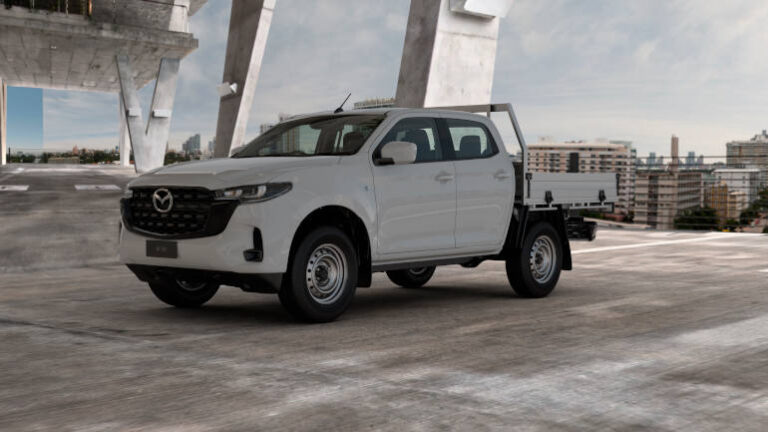
Mazda has strengthened its popular BT-50 ute line-up with the addition of a new 2.2-litre turbo-diesel powertrain, delivering more grunt, better efficiency, and the choice of 4WD.
Replacing the outgoing 1.9-litre engine, the new four-cylinder turbo diesel lifts outputs to 120kW and 400Nm – that’s 10kW and 50Nm more than before. Coupled to a new eight-speed automatic, it not only improves performance but also cuts fuel use by up to 0.7L/100km and trims CO₂ emissions by as much as 17g/km.
Expanded Capability
Previously only offered as a 4×2, the entry-level XS grade can now be had with the 2.2L engine in 4×4 Dual Cab Chassis and Dual Cab Pickup formats. This makes the BT-50 more versatile for buyers who need extra traction without stepping up to the larger 3.0L option.
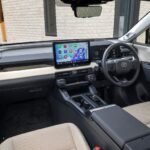
The Dual Cab Pickup XS also benefits from alloy wheels, while standard kit across the XS range includes LED headlamps, reverse camera, Adaptive Cruise Control with Stop & Go, and wireless Apple CarPlay and Android Auto.
Efficiency Gains Across the Range
Mazda has also introduced a fuel-saving Idle Stop System on the proven 3.0-litre engine, cutting fuel use by up to 11 per cent in stop-start driving. In addition, XTR and GT 4×4 Dual Cab Chassis grades now come with a factory-fitted towbar for extra convenience.
Pricing and Variants
The refreshed BT-50 line-up continues with five grades – XS, XT, XTR, GT, and SP – and a wide spread of cab and drivetrain configurations.
Key pricing highlights include:
- Single Cab Chassis XS 2.2L 4×2 – from $37,900
- Dual Cab Pickup XS 2.2L 4×2 – from $46,710
- Dual Cab Pickup XS 2.2L 4×4 – from $54,720
- Dual Cab Pickup GT 3.0L 4×4 – from $66,620
- Range-topping Dual Cab Pickup SP 3.0L 4×4 – from $71,950
All models come backed by Mazda’s five-year, unlimited kilometre warranty, with a full suite of genuine accessories available to tailor the BT-50 for work or play.
Fleet and Business Buyers
For fleet operators and novated lease customers, the arrival of the 2.2L engine provides a strong balance of performance and running costs. The lower fuel consumption and CO₂ emissions compared to the outgoing 1.9L make it a compelling option for businesses looking to reduce operating expenses while keeping capability front and centre.
- Driver inductions matter more as vehicle technology changes
 Fleet safety has always involved choosing the right vehicle, maintaining it correctly and making sure drivers understand their responsibilities behind the wheel. But as new vehicles become more sophisticated, there is another part of the safety management system that deserves more attention: driver induction. Modern cars are arriving with new safety systems, different control layouts,
 - Kia tackles the ‘bings and bongs’ challenge as fleet safety requirements riseFive-star ANCAP ratings remain an important requirement for many Australian fleets, but achieving those ratings increasingly requires active safety systems that can generate alerts some drivers find frustrating. Kia Australia says it is trying to balance the two requirements by pursuing high safety ratings while making driver assistance systems easier for vehicle operators to manage.
- The Safety Features Drivers Love to HateAustralian fleets are investing in vehicles with increasingly sophisticated safety technology, but new research suggests many drivers are switching those systems off because they don’t understand or trust them. A landmark study led by IAG, in partnership with Queensland University of Technology (QUT) and the iMOVE Co-operative Research Centre, found greater use of Advanced Driver
- Driver buy-in starts before the telematics system is installedNew fleet safety technology can deliver detailed data and new ways to coach drivers, but the Teletrac Navman research suggests the quality of the rollout may determine whether drivers see the system as support or surveillance. Fleet technology projects are often measured by installation dates, hardware uptime and whether the data is flowing. For Fleet
- AI turns fleet accident data into a safety action planFleet accident reporting has traditionally focused on what happened: the number of claims, total cost, location and driver details. The harder task is identifying why incidents are occurring, which risks deserve immediate attention and what actions will make a practical difference. Summit Fleet Leasing and Management is using its AI Fleet Insights platform to help