
Serving one of Victoria’s fastest-growing regions, the City of Greater Geelong operates a diverse fleet that underpins service delivery across urban, coastal and rural communities. With more than 280,000 residents and a workforce of around 3,000 employees, the council delivers 30 essential services from dozens of operational sites across a 1,252 square kilometre municipality.
Located on Corio Bay, about an hour south-west of Melbourne, Greater Geelong balances rapid population growth with a strong sense of place and community identity. The region also holds UNESCO City of Design status, reflecting a long-term commitment to innovation, planning and creative thinking.
Fleet size and composition
The Council manages a mixed fleet designed to support both frontline services and internal operations. The current fleet includes:
- 255 light vehicles, made up of 53 pool vehicles and 202 dedicated business-use vehicles
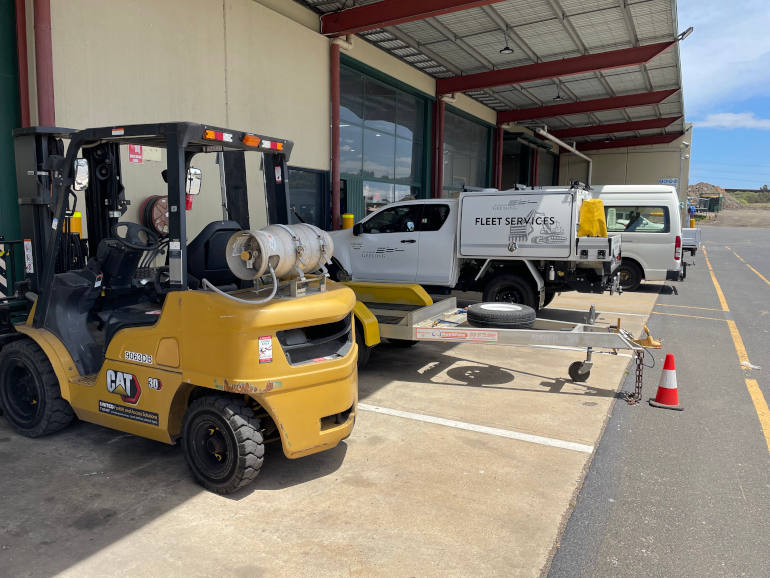
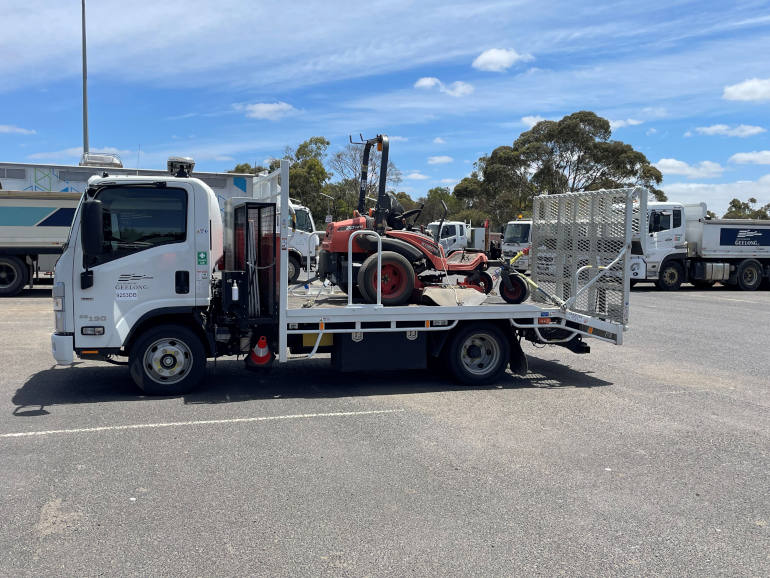
- 389 heavy vehicles and items of plant and equipment, supporting construction, maintenance, waste, parks and regulatory services
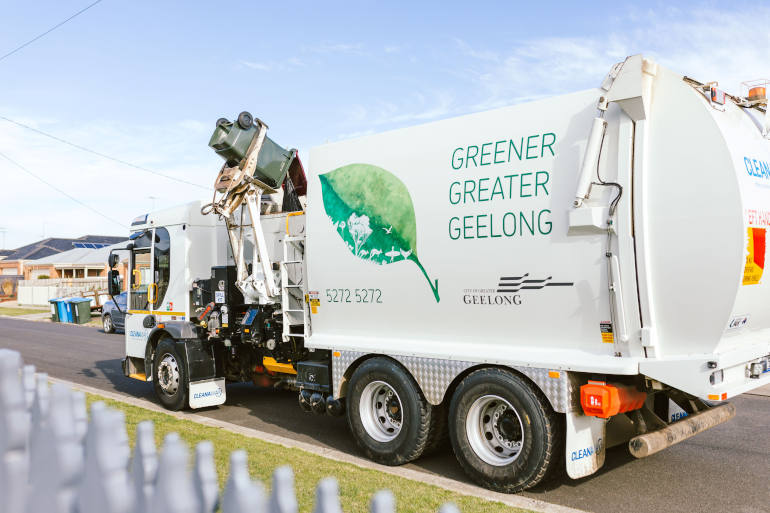
The fleet primarily exists to enable council service delivery, rather than generate income. However, waste services are a notable exception, with fleet assets supporting landfill operations and kerbside collection services that generate revenue through gate fees, waste disposal charges and collection services.
Stability through better data
Over the past three years, overall fleet numbers have remained largely stable. Rather than expanding, the fleet team has used improved data to confirm that existing assets are broadly meeting operational needs.
A key factor has been the introduction of in-vehicle telematics (Intellitrac), which has given the organisation far greater visibility over vehicle utilisation and operating patterns. This has shifted decision-making from assumption to evidence, helping confirm that growth in fleet size has not been required.
Looking ahead, the council’s fleet strategy is moving firmly towards rationalisation. Over the next three years, utilisation data will be used to identify under-used vehicles and plant, with the aim of reducing fleet size where practical while maintaining service delivery outcomes.
Fleet governance and resourcing
Fleet operations are supported by a dedicated team of 14 staff, covering strategic planning, asset lifecycle management, procurement, maintenance, compliance and day-to-day operational support. The focus is on ensuring vehicles and plant remain safe, reliable and fit for purpose, while managing costs and optimising utilisation across the organisation.
2026 priorities: efficiency and sustainability
Looking to 2026, Council has identified two clear fleet priorities:
- Fleet rationalisation and optimisation
Using telematics-driven utilisation data to reduce under-utilised assets, lower costs and improve overall fleet efficiency without compromising service delivery. - Safety, compliance and sustainability
Maintaining high safety and compliance standards while progressively transitioning to lower-emission and more environmentally sustainable vehicles and technologies.
Emissions reduction pathway
Council has established a long-term plan to reduce fleet CO₂ emissions over the next 2, 5 and 10 years. The approach is deliberately pragmatic, recognising that not all fleet tasks can be electrified immediately.
Key elements include:
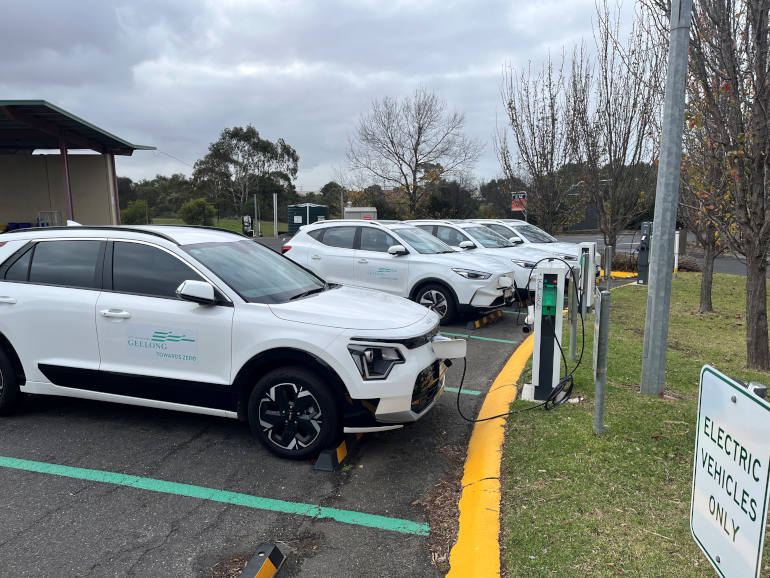
- Transitioning suitable light vehicles to electric for urban and business use
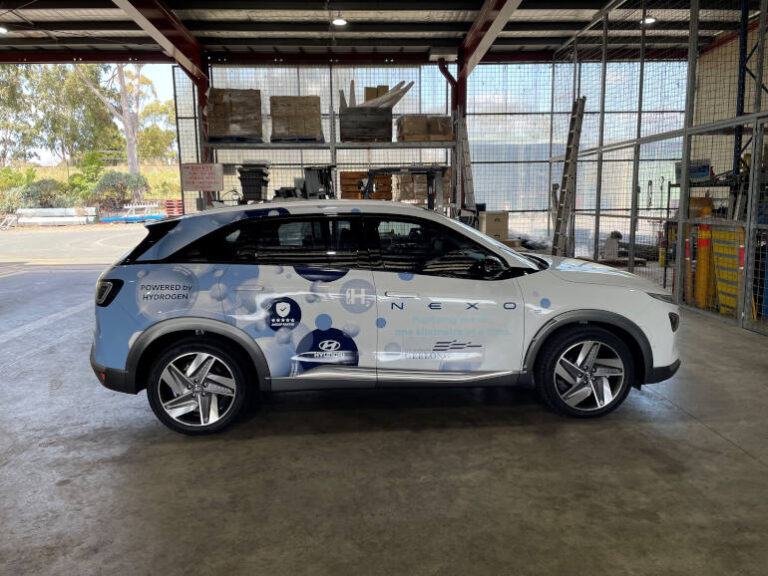
- Trialling a hydrogen-powered light vehicle to assess operational suitability
- Considering hybrids and biofuels for heavy vehicles and plant where EV or hydrogen solutions are not yet practical
Telematics data plays a central role in this strategy, ensuring vehicle replacements deliver genuine emissions reductions while maintaining reliability and service capability.
Technology driving safer operations
Technology has become a cornerstone of fleet safety, efficiency and governance at Council. In addition to telematics, the council has implemented:
- Digital pre-start and post-trip checks, ensuring safety inspections are completed and issues identified early
- Preventive maintenance scheduling, using system data to reduce downtime and unplanned breakdowns
- Driver safety tools, including alerts for speeding and harsh braking to reinforce safe driving behaviour
- Asset security features, enabling faster recovery of stolen or misplaced vehicles and plant
Together, these systems have strengthened compliance, improved safety outcomes and delivered more informed, data-driven fleet decisions.