

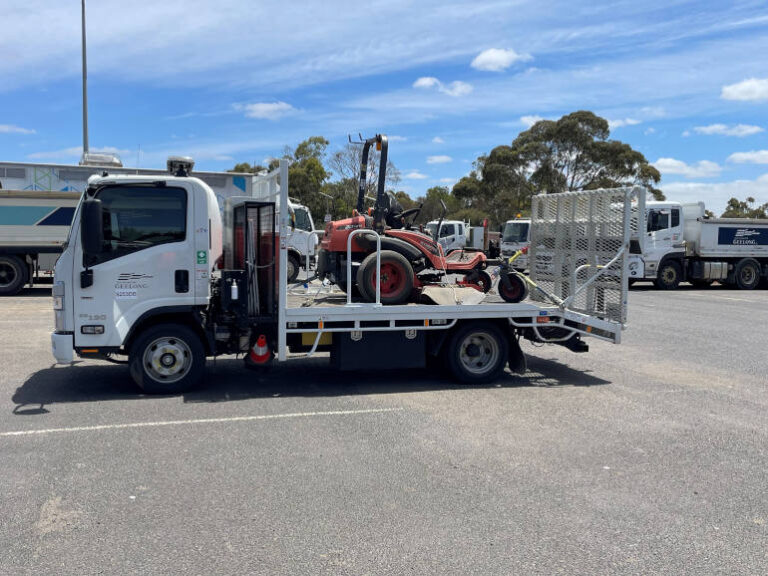
A former City of Greater Geelong fleet officer has been jailed after pleading guilty to multiple fraud-related offences involving the misuse of public funds, raising serious questions for fleet governance and financial controls within local government.
Ryan Brumley, appeared in the Geelong Magistrates Court where he admitted to misconduct while employed as a public official responsible for supporting the lifecycle management of plant and heavy fleet assets. His offending occurred over multiple instances in 2024, specifically in March, May, July and August.
According to court documents, Brumley was convicted on several charges, including using false documents, and was sentenced to three months in prison. He was also fined $300 for each offence and ordered to repay $23,194 in compensation to the City of Greater Geelong.
The court heard that the offences took place while Brumley held a position of trust within the council’s fleet operations, a role that typically involves procurement, maintenance oversight, and asset lifecycle decision-making. His actions represent a breakdown in both individual accountability and organisational safeguards.
Brumley has lodged an appeal against his sentence.

Upon release, he will be subject to an 18-month Community Corrections Order (CCO), which includes 150 hours of community work. Magistrate Franz Holzer indicated that without Brumley’s guilty plea, a significantly longer custodial sentence of up to ten months would have been imposed.
City of Greater Geelong Chief Executive Ali Wastie said the misconduct was uncovered following a “robust” internal investigation and emphasised the council’s position on governance and accountability.
“We take any misuse of funds extremely seriously, which is why we took immediate action upon discovery of this misconduct,” she said.
“While I understand that events of this nature can undermine public trust, I want to emphasise that we are committed to transparency, accountability and strong governance.
“I am proud of the City’s culture of zero tolerance for fraudulent behaviours – this culture was central to the outcome.”
Governance Lessons for Fleet Managers
While this case is isolated, it highlights a broader issue for fleet professionals—particularly those operating in local government and large organisations managing high-value assets.
Fleet departments often control significant budgets across procurement, maintenance, fuel, and disposal. Without strong internal controls, segregation of duties, and audit processes, these environments can create opportunities for misconduct.
Key risk areas typically include:
- Procurement and supplier management
- Invoice approvals and financial authorisations
- Asset disposal and replacement decisions
- Use of manual or disconnected systems
This case reinforces the importance of:
- Integrated fleet management systems with audit trails
- Regular internal and external audits
- Clear delegation of authority frameworks
- Data transparency across finance, procurement, and fleet systems
- Strong organisational culture and leadership accountability
For many Fleet Managers, the takeaway is not just about compliance—but about building systems and processes that remove opportunity, increase visibility, and support ethical decision-making.
As fleets become more complex with new technologies, multiple suppliers, and growing ESG expectations, governance is no longer a back-office function—it is central to operational performance and public trust.