

Hyundai has announced updates to its 2026 Tucson and Santa Fe SUV ranges, introducing new technology, revised specifications, and pricing changes designed to sharpen their appeal in the competitive medium and large SUV segments.
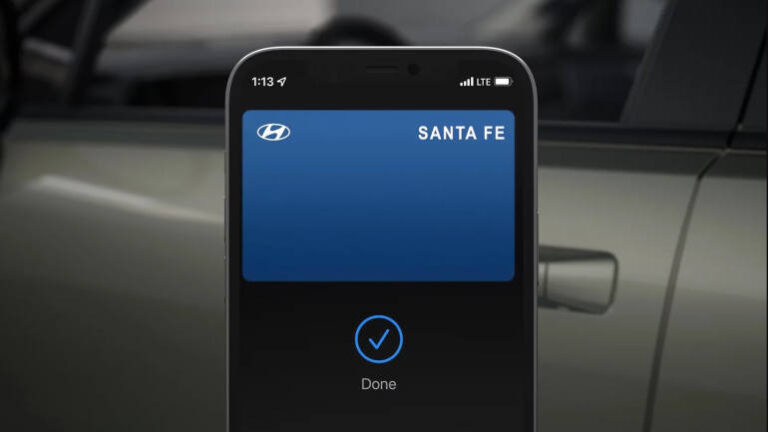
Both models now come standard with Hyundai Digital Key 2, a feature that allows drivers to lock, unlock, and start their vehicle using a smartphone or Apple Watch. The system also enables sharing of up to 15 digital keys with family or colleagues, a development that could simplify key management for fleets.
Tucson Moves Towards Hybrid Power
The 2026 Tucson range sees a major shift towards hybridisation, with the 1.6 T-GDi hybrid becoming the mainstay powertrain option. The previous 1.6 T-GDi petrol has been discontinued, leaving the 2.0 MPi petrol as the only non-hybrid alternative.
Pricing has been reduced across the Tucson line-up, with savings of between $1,000 and $2,500 depending on the variant. For fleets, this improves the total cost of acquisition for hybrid SUVs that already offer efficiency benefits in urban duty cycles.
Key updates for the entry-level Tucson include:
- New 17-inch alloy wheels
- Revised safety suite with improved Forward Collision Avoidance (FCA 1.5) including two-wheeler detection
- Digital Key 2 as standard
- A new exterior colour, Ecotronic Grey, available in both pearl and matte finishes
The three-trim structure continues, with N Line styling packs now reserved for the Elite and Premium models.
Santa Fe Gains More Technology
Hyundai’s seven-seat Santa Fe also receives Digital Key 2 as standard, alongside subtle specification changes. The range continues with petrol and hybrid powertrains:
- 2.5 T-GDi petrol (2WD and AWD)
- 1.6 T-GDi hybrid (2WD and AWD)
Pricing for Santa Fe increases by $400 across the range, with the entry model starting at $53,400 (MLP).
Updates to the base model include:
- 18-inch alloys with full-size spare
- Expanded Hyundai SmartSense safety features, including junction-turning collision avoidance and evasive steering assist
- 12.3-inch digital instrument cluster and multimedia display with over-the-air updates
- Improved climate and occupant comfort features, including dual-zone climate and third-row fan controls
The top-tier Calligraphy grade adds premium equipment such as a Head-Up Display (HUD), dual sunroof, Nappa leather interior, and a UV-C sanitising tray.
Fleet and Procurement Takeaways
For fleet buyers, the changes to both SUVs highlight several key trends:
- Hybrid adoption: The Tucson is now predominantly hybrid, aligning with corporate sustainability targets and providing an option for fleets seeking lower CO₂ emissions without the infrastructure challenges of BEVs.
- Digital Key 2: Keyless access and sharing may streamline pool vehicle operations and reduce the costs of lost or duplicated keys.
- Pricing shift: While Tucson pricing has reduced, Santa Fe pricing has edged upward. Fleets will need to weigh these adjustments against lifecycle cost benefits.
- Specification clarity: Safety and connectivity improvements across both models support compliance with duty-of-care obligations and improve driver convenience.
Commenting on the updates, Hyundai Motor Company Australia CEO Don Romano said:
“Substantial price reductions for the newly Hybrid-focused 2026 TUCSON range, and the convenience of Hyundai Digital Key 2 as standard for both models, ensures these SUVs continue as compelling family vehicles in a competitive marketplace.”
For fleets, the implication is clear: Hyundai is positioning its SUV range to balance value with future-focused technology.