
Novated leasing is becoming an increasingly important part of the Australian electric vehicle market, and Hyundai Australia is adjusting its fleet strategy to reflect the change.
The company has launched its own Hyundai Novated Lease product, powered by Smart, while also introducing specific offers designed for customers acquiring selected EVs through novated leasing.
Akshat Ahuja, Senior Manager, Fleet at Hyundai Australia, said the channel has become an important part of the company’s EV plans.
“As I said, you know we are very serious about the novated leasing, the electrification,” Ahuja said.
EVs changing the novated lease conversation
Ahuja said the combination of lower running costs and tax advantages available through novated leasing has increased the appeal of EVs through the salary packaging channel.
“I find that it makes an absolute sense, especially from the EVs’ point of view, that you not only save on the low running costs, but you also get the tax advantages as well by purchasing it through novated lease,” he said.
For vehicle manufacturers, that changes the way EVs are marketed and distributed.
Novated leasing has traditionally involved Fleet Management Organisations (FMOs) and salary packaging providers working with employers, dealerships and employees. Hyundai is now taking a more direct role in the process.
Ahuja said Hyundai dealerships already have relationships with FMOs and novated lease providers, allowing customers whose employers have existing arrangements to purchase vehicles through those providers.
The Hyundai-branded product provides another option where an employer does not already have a novated lease arrangement.
“We have also recently launched our own product, Hyundai novated lease, powered by Smart,” Ahuja said. “This was the project that I was working on since early this year, and we are glad to announce it now.”
OEMs looking more closely at the channel
Hyundai is also using specific vehicle offers to compete for novated lease customers.
At the time of the interview, Ahuja said the company had introduced a $2,000 novated lease offer on selected EVs, in addition to promotional drive-away pricing.
“From OEM point of view, we have also started taking novated lease very seriously,” he said.
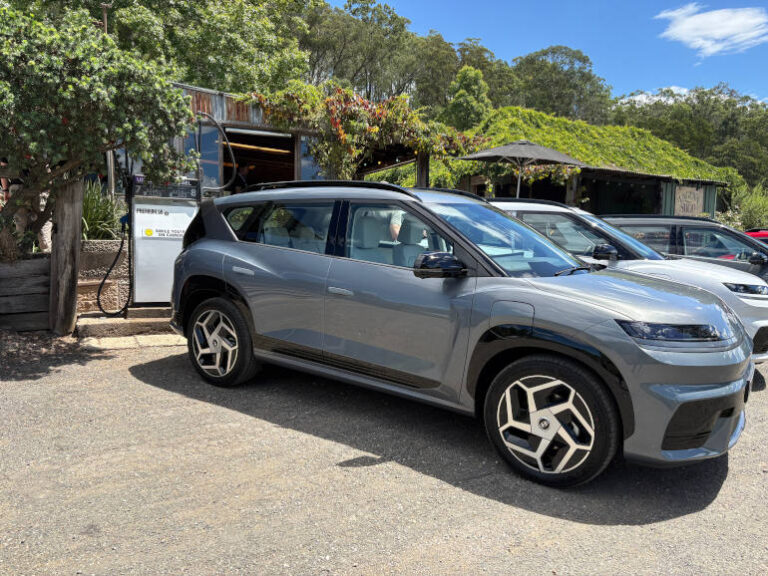
The Kona Electric and INSTER Cross — referred to during the interview alongside Hyundai’s broader EV portfolio — are among the types of vehicles competing for buyers who may previously have purchased a petrol or hybrid vehicle privately.
For manufacturers, novated leasing can therefore become more than a finance option. It can influence vehicle pricing, dealer processes and the way EV offers are structured.
Dealers still play a role
Despite the increased involvement of salary packaging companies and Fleet Management Organisations, Ahuja sees Hyundai dealers remaining central to the transaction.
“If your employer already has a relationship with the novated lease provider, then well and good,” he said. “If not, we have the sales consultants and the business managers in the dealership who can make that happen for you.”
The Hyundai-branded product is intended to provide another pathway where that relationship does not already exist.
A growing EV sales channel
The significance of novated leasing for EVs extends beyond Hyundai.
For vehicle manufacturers, it creates another market where the effective cost to the customer can look different from the advertised retail price.
That means manufacturers increasingly need to consider Fleet Management Organisations, salary packaging companies, dealerships and employers when developing EV sales strategies.
Hyundai’s decision to launch its own product and provide dedicated EV offers demonstrates how seriously the company now views the channel.
For Fleet Managers and Procurement Managers, the development is also relevant because novated leasing can sit alongside the organisation’s traditional tool-of-trade fleet.
As electric vehicles become available through more purchasing and funding models, the distinction between retail, novated and traditional fleet channels is becoming less clear — and manufacturers are adapting accordingly.