

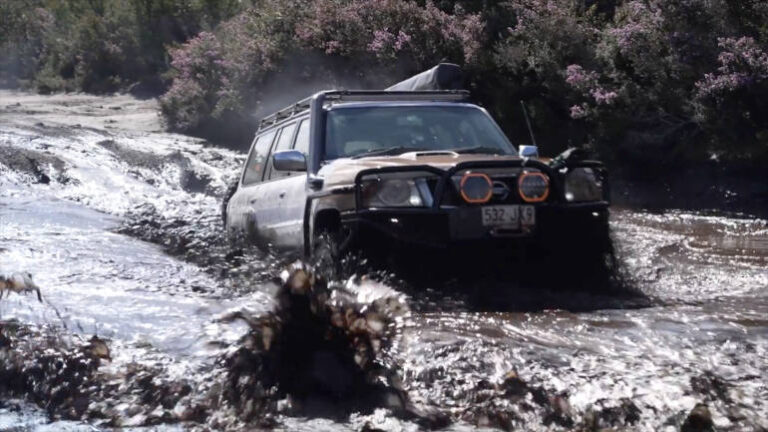
For many four-wheel drive owners, there’s nothing better than tackling muddy tracks after a downpour. But while mud adds to the fun, it can be brutal on braking systems. Left unchecked, mud can trap moisture, cause rust and corrosion, and grind down critical components.
Bendix recently highlighted the risks mud poses to 4X4 brakes – and more importantly, what drivers should be doing after their off-road adventures.
Why Mud Damages Brakes
Mud is a mix of water, soil and sand, which acts like an abrasive on everything it touches. When it sticks to brakes, suspension or other moving parts, it can:
- Accelerate wear and tear
- Block or restrict movement of components
- Create rust and corrosion if left to dry
For fleets and operators who depend on reliability, that translates into higher maintenance costs and potential downtime.
Cleaning After Every Trip
The advice from experienced off-roaders is simple – once the fun is over, give your 4X4 a thorough clean. Not only does this restore components to working order, it gives drivers the chance to visually inspect for hidden damage.
Bendix recommends:
- Washing the underbody, paying special attention to brakes and suspension.
- Removing wheels for full access to braking components.
- Using a pressure washer carefully (avoiding direct spray on caliper piston seals).
- Unbolting calipers and cleaning pins, slides and bushes where grit often gets trapped.
- Drying thoroughly and applying a brake cleaner to remove moisture and protect against corrosion.
- Using a suitable lubricant, such as Bendix Ceramasil, before reassembly.
Extra Care for Drum Brakes
Vehicles fitted with rear drum brakes need even closer attention. Muddy water and residue can easily become trapped, compromising small components like springs, pivot points and adjustment screws. Performance of the park brake can also be reduced.
The recommended process includes removing the drum, washing with soapy water and a brush, drying, applying brake cleaner, lubricating pivot points and adjusters, and finally, checking the park brake adjustment.
For hub-style handbrakes, the process is similar: remove the disc, wash, dry, lubricate, refit and adjust.
Sand and Salt Water – Even Worse
These techniques aren’t just for mud. Sand and salt water are even more damaging, causing accelerated corrosion and wearing down brake components quickly. A trip to the beach without a clean can take years off the life of a braking system.
How Often Should Brakes Be Cleaned?
Bendix recommends different cleaning intervals depending on conditions:
- Light off-road use on dry, unsealed roads: every 6–12 months.
- Muddy tracks and bog holes: after every trip.
- Sand and beach driving: after every trip.
Takeaway for Fleet Operators
For businesses running 4X4s in harsh conditions, this advice is more than just good maintenance practice – it’s an investment in safety and uptime. A structured cleaning routine will reduce brake-related failures, cut replacement costs, and keep vehicles in service longer.