
As cooler weather arrives, businesses that rely on vehicles should prepare for one of the most common causes of roadside breakdowns: flat or failing 12-volt batteries.
For fleets and business vehicles, battery failures often appear suddenly. In many cases, the battery has been gradually losing capacity for months before finally failing on a cold morning or after extended use of lights and electrical systems.
According to data from the NRMA, flat batteries remain one of the leading causes of vehicle breakdowns each year. For organisations operating fleets, this means a simple maintenance issue can quickly become an operational problem.
Why battery failures increase in colder months
Car batteries that start internal combustion vehicles are sensitive to temperature. Cold conditions reduce the battery’s ability to deliver the electrical current required to start the engine.
At the same time, vehicles require more energy to start in cooler conditions because engine oil is thicker and mechanical components are harder to turn over.
The result is a double impact: reduced battery performance combined with higher starting demand.
This is why battery failures often increase during the cooler months of the year.
Shorter days increase electrical load
The end of daylight saving also means vehicles operate in darker conditions for longer periods.
Drivers are using headlights earlier in the morning and later in the afternoon, and often leave lights operating while parked or loading vehicles.
Additional electrical systems such as cabin heating, demisters, infotainment systems and charging devices further increase demand on the battery.
Older batteries that were already nearing the end of their life often fail during this period because they cannot cope with the additional electrical load.
Most vehicle batteries last three to four years
Unlike tyres or brake pads, many drivers do not regularly think about their vehicle battery until it fails.
However, most 12-volt batteries used in passenger vehicles and light commercial vehicles typically last three to four years depending on usage patterns and environmental conditions.
Vehicles used frequently in stop-start conditions or with heavy electrical loads may experience shorter battery life.
For fleets and business vehicles, replacing batteries before failure is often the most practical approach to avoiding downtime.
Preventing downtime is good business practice
For businesses, a flat battery does more than delay a driver.
It can lead to missed appointments, delayed deliveries or reduced service levels for customers. In some industries, even short disruptions can translate into lost revenue opportunities.
Preventative maintenance such as battery testing and scheduled replacement can significantly reduce these risks.
Regular battery checks can identify declining performance before failure occurs, allowing fleets to replace batteries during planned maintenance rather than in response to a breakdown.
Simple checks can prevent major disruption
Battery testing is quick and relatively inexpensive, but it provides valuable insight into battery health.
Professional battery checks can measure the battery’s ability to hold charge and deliver the required starting current. If performance is declining, the battery can be replaced before it strands a driver.
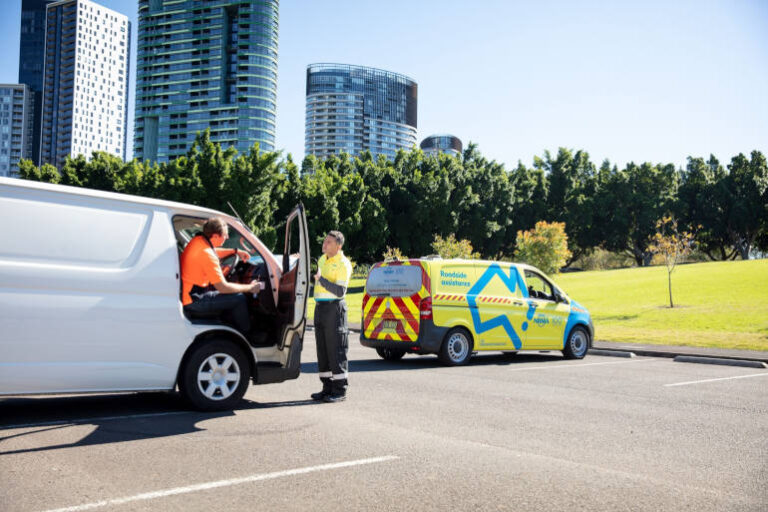
Services such as battery testing and roadside support offered by organisations including the NRMA help businesses keep their vehicles operating reliably during periods when battery failures are most likely.
Prepare fleets before the season of battery failures
With colder weather approaching, now is a sensible time for businesses to review the condition of their vehicle batteries.
Checking battery age, testing performance and replacing units that are nearing the end of their service life can prevent breakdowns and avoid unnecessary operational disruption.
For fleets that rely on vehicles every day, proactive battery maintenance is a simple step that can protect productivity, maintain customer service levels and keep drivers moving.