

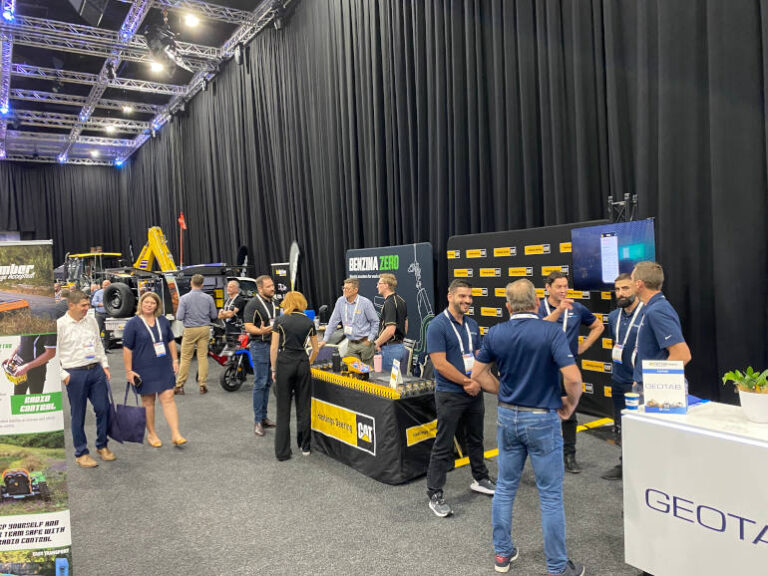
At a recent procurement conference in Queensland, a panel of suppliers delivered candid advice to fleet buyers on how to streamline tender and quotation processes to achieve better outcomes. The discussion focused on real-world challenges suppliers face when responding to fleet buyer requests and offered suggestions to reduce lead times, avoid pricing surprises, and improve the quality of responses.
The key message was clear: more effective engagement between procurement teams and operational fleet staff can reduce friction and lead to better value from the market.
Supply Chain Pressures Have Eased—But Planning Is Still Crucial
Panellists agreed that supply chain volatility has improved since the pandemic, but challenges remain—particularly for custom-built equipment. For manufacturers that design and build to order, component lead times can still cause bottlenecks.
Suppliers encouraged fleet buyers to engage early for bespoke builds: “The more time you spend with our drafting team finalising your specs, the longer the job takes to move into fabrication. If we have a sense of your annual needs ahead of time, we can pre-order components and reduce your cost.”
Prebuilt stock is helping mitigate delays in some categories, but customisation still carries risk. Buyers were reminded that clear communication upfront is essential to ensuring expectations on timing are realistic.
Warranties: Not All Are Created Equal
Buyers were encouraged to look closely at warranty terms—not just the headline number. Several suppliers noted that warranties on imported products may appear comprehensive, but commercial (fleet) use may only be covered for as little as three months.
Panellists spoke about the importance of long-term support and standing by products well beyond the first year: “We still get calls from customers using second-hand equipment we built years ago—and we’re happy to support them.”
Writing Better RFQs: Clarity and Context Matter
When asked what makes a quotation request easy to respond to, the panel delivered a united message: simplicity, context, and access to technical contacts.
Some fleet buyers issue a single-page RFQ, while others supply 25-page documents—for the exact same product. “At the end of the day, it’s the same machine,” one speaker noted. “Simpler specs save time for everyone, and a consistent format means quicker and more accurate responses.”
The most helpful RFQs include:
- A description of what the asset is replacing (e.g. make/model, age, task)
- Operational context (how it will be used, by which department)
- Photographs of the existing equipment
- Clear identification of the technical contact (not just procurement)
Timing is Everything
Another issue raised was the delay between RFQ submission and evaluation. Some responses expire before a decision is made, requiring a complete re-quote.
“Our quotes are valid for 30 days,” one panellist said. “If you’re not ready to evaluate when the RFQ closes, everything goes out the window.”
Delays also undermine the suppliers’ ability to commit to firm pricing, especially for products with volatile input costs.
Communication During Delivery Builds Confidence
Strong communication was identified as a key differentiator between successful and strained supplier relationships.
Some suppliers now offer milestone updates during the production and delivery process—such as notifications when the asset enters assembly or is ready for inspection. Others invite customers to their facilities to inspect builds before final delivery.
One panellist described their model as “support-led, not sales-led,” with frequent training and high-touch engagement throughout the relationship.
Feedback Helps Everyone Improve
A common frustration shared by the panel was the lack of feedback when unsuccessful in a quotation process. Suppliers said they regularly seek clarification when they don’t win an RFQ but are often met with silence or generic responses.
“We’re not asking for the exact dollars,” one speaker explained. “Just let us know—was it price, spec, delivery time, something else?”
Advice for Buyers: What You Can Do Better
In closing, each panellist was asked to offer one piece of advice for fleet buyers looking to improve engagement and outcomes. The top suggestions included:
- Simplify and standardise your RFQ templates. Consistency helps reduce quoting time and errors.
- Include contact details for the relevant fleet staff. This improves technical accuracy and allows clarification.
- Forecast future needs where possible. Advance notice enables bulk ordering and better pricing.
- Be ready to evaluate quickly. Delays lead to expired quotes and lost momentum.
- Provide constructive feedback after awarding. Suppliers are willing to learn and improve.
One supplier added, “If fleet buyers sat down with us at the beginning of the year and said ‘we’ll probably need this many of these trailers or machines,’ we could plan ahead and get better results for everyone.”
The insights shared by the panel reinforce that successful procurement in the fleet sector requires more than just competitive pricing—it takes collaboration, transparency, and a shared understanding of operational needs.