

Kia has moved to reassure fleet buyers that the Tasman ute will follow a familiar product lifecycle, with regular updates designed to support long-term ownership costs and protect resale values.
The message comes as early fleet adopters begin to build confidence in the new model, with feedback from operators suggesting the vehicle is gaining traction through real-world experience rather than marketing claims.

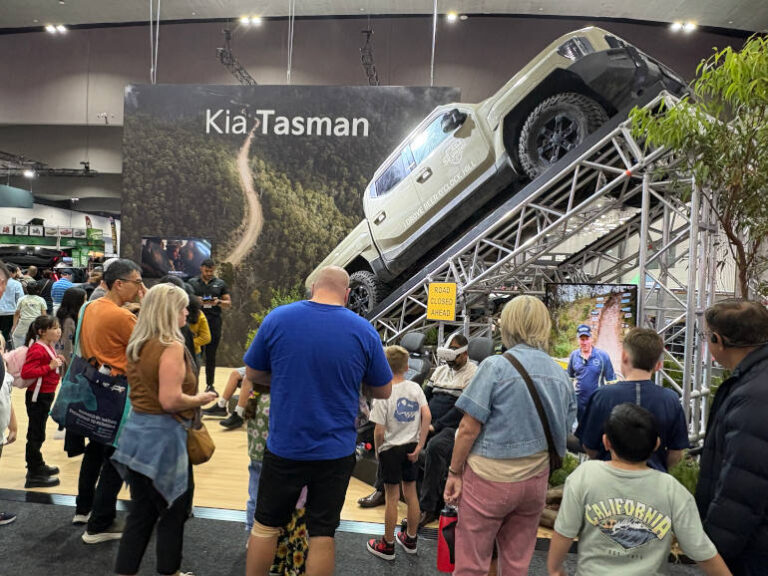
Speaking at the Melbourne Motor Show in April, Dean Norbiato, General Manager – Marketing at Kia Australia, said the company is focused on establishing a predictable update cycle that aligns with industry expectations.
“Tasman will follow the same trajectory as all of our new products. With the facelift will come midlife, which is usually after three or four years.”
Dean Norbiato, General Manager – Marketing at Kia Australia
For Fleet Managers, this type of clarity is important. Regular and consistent model updates play a direct role in maintaining residual values, supporting replacement planning, and ensuring vehicles remain competitive in both performance and safety over a typical fleet lifecycle.
Resale Value Starts with Product Planning
In the fleet sector, resale value is rarely determined by brand reputation alone. It is influenced by predictable product development, market confidence, and the perception that a vehicle will remain relevant throughout its service life.
A structured update cycle helps avoid sudden obsolescence, reduces the risk of oversupply in the used market, and reassures buyers that the manufacturer is committed to the platform.
Kia’s approach to the Tasman appears to reflect this long-term thinking.
Rather than rushing into frequent redesigns or short product cycles, the company is signalling a steady and disciplined development path—one that mirrors the expectations fleet buyers have developed from established commercial vehicle brands.
Fleet Buyers Are Responding to Real-World Performance
According to Norbiato, fleet adoption of the Tasman is following a familiar pattern. Initial purchases are often cautious, but positive operational experience can lead to repeat orders.
“The more people that drive it, the more people we’re getting who are advocating for the comfort, for the utility, for the size of tray, and then the drivability, fully Aussie tuned. It is a bit of a snowball effect.”
This “snowball effect” is typical in the fleet market, where peer feedback and operational reliability carry more weight than promotional campaigns.
Fleet Managers often start with a small trial group of vehicles, assess performance against key metrics such as downtime, driver acceptance, and operating costs, and then expand the order if results meet expectations.
A Long-Term Strategy for Commercial Vehicles
Kia has acknowledged that building a presence in the commercial vehicle market requires patience and sustained engagement with fleet customers.
Unlike private vehicle sales, fleet procurement decisions are shaped by contract cycles, policy reviews, and internal approvals. These processes can take years rather than months.
Norbiato said the company anticipated this slower adoption curve from the beginning.
“In the fleet business, you have existing relationships and contracts, which means that until they come up, we can’t get into those conversations. We always knew with fleet, it was going to be a long game, and we’re prepared to go the distance with that product and the fleet in particular.”
This long-term mindset is critical for manufacturers entering the commercial segment. Fleet buyers are less influenced by short-term incentives and more focused on supplier stability, product support, and the ability to deliver consistent improvements over time.
Why Consistent Updates Matter for Fleet Planning
For Fleet Managers and Procurement Managers, predictable model updates are more than a product feature—they are a planning tool.
Regular updates help fleets:
- Maintain stronger resale values
- Align replacement cycles with product improvements
- Reduce risk associated with ageing vehicle technology
- Support driver safety and compliance requirements
- Improve confidence in long-term supplier relationships
When update timing is unclear or inconsistent, fleets may extend replacement cycles or switch suppliers to reduce risk.
Conversely, a clear development roadmap allows organisations to plan asset lifecycles with greater certainty.
Early Momentum, But Work Still to Do
While early feedback on the Tasman has been positive, Kia recognises that market share in the commercial sector will not be achieved overnight.
The company is continuing to build relationships with fleet customers, demonstrate reliability, and refine the product through ongoing development.
Norbiato acknowledged that the brand is still at the beginning of its journey in this segment.
“We’ve only just scratched the surface with fleet, there is a heap more runway with our Tasman and fleets, and a lot of work that we need to do.”
For fleet buyers, the key takeaway is not simply that an update is coming, but that the Tasman is being developed with a long-term commercial strategy in mind.
That consistency—combined with regular model improvements—will ultimately determine how the vehicle performs in the used market, and whether it becomes a sustainable option in fleet replacement programs.