
Located on Melbourne’s north-west fringe, Hume City Council covers a large and diverse local government area of around 504 km², stretching from about 15 to 45 kilometres from the Melbourne CBD. The municipality plays a critical role in Melbourne’s growth story, balancing established suburbs with fast-growing communities and major economic infrastructure.
One of Hume’s most distinctive features is Melbourne Airport, which occupies roughly 10 per cent of the LGA and underpins thousands of jobs across freight, logistics, aviation and supporting industries. The area is also one of the most culturally diverse in Australia, with residents from more than 170 countries, speaking over 155 languages, and it is home to the fifth-largest Indigenous population in Greater Melbourne.
Beyond industry, Hume also has a strong cultural and recreational identity. Highlights include the Sunbury Rings, an important Aboriginal heritage site, Rupertswood Mansion – famously the birthplace of The Ashes – and URBNSURF, Australia’s first inland surf park.
A fleet built to deliver essential services
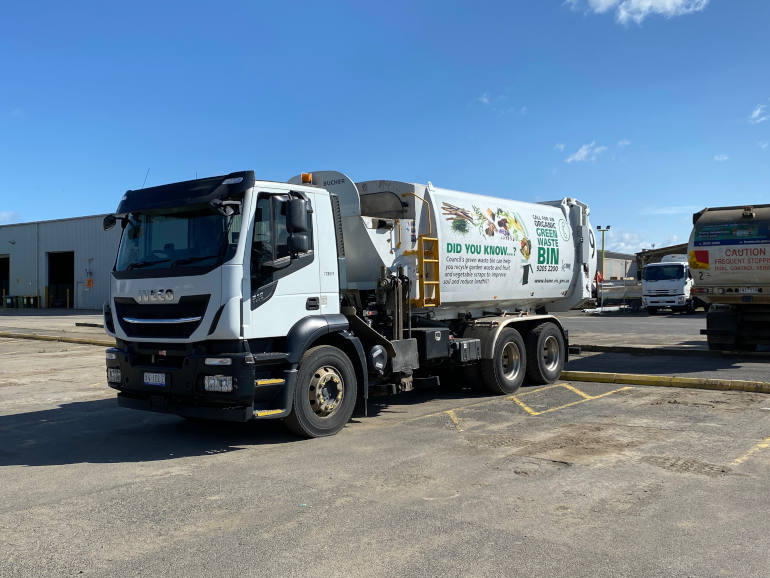
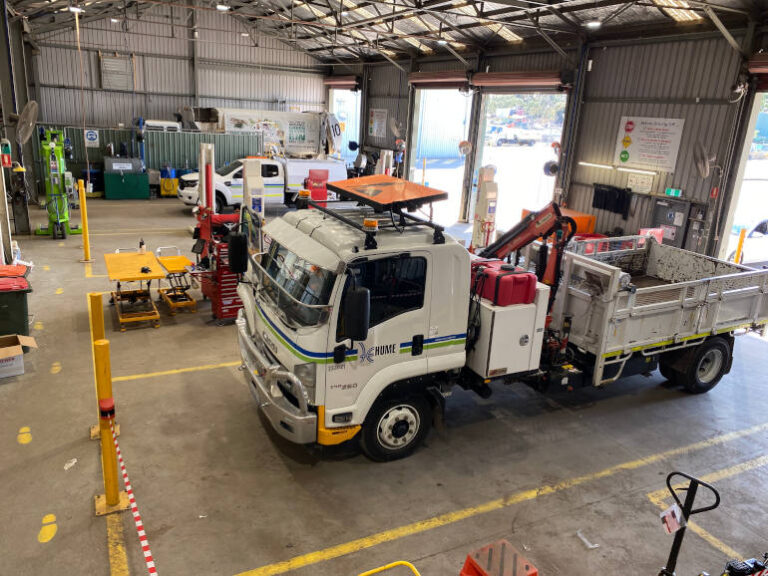
Hume City Council manages a fleet of 753 assets, ranging from small items such as blowers through to large, complex vehicles like waste collection trucks. The fleet also includes street sweepers, mowers, tractors, and a wide range of specialised equipment that supports council operations across multiple departments.
This diversity reflects the breadth of services the council delivers, including:
- Waste and recycling collection
- Street and public space cleaning
- Parks and open space maintenance
- Community services such as home immunisation programs
While the fleet is not revenue-generating in a commercial sense, it is fundamental to the council’s ability to deliver reliable, day-to-day services to a growing community.
Fleet growth driven by community demand
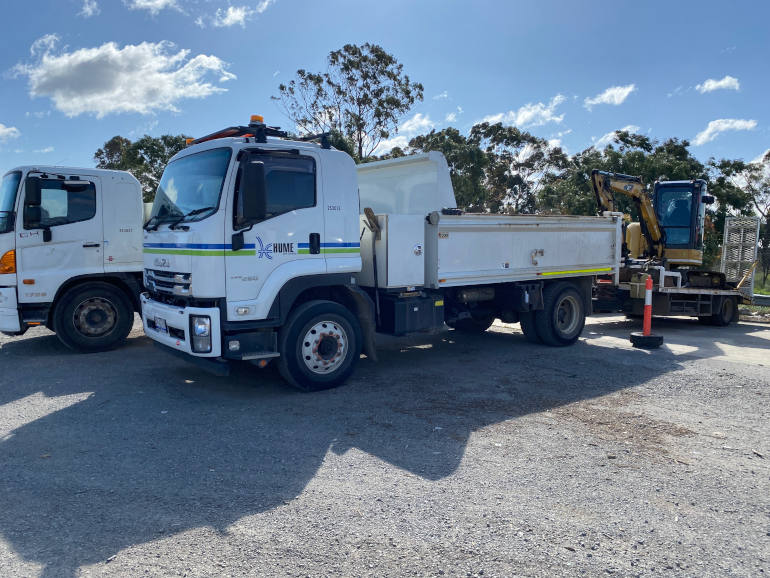
Over the past three years, Hume’s fleet has grown by around 15 per cent. This expansion has been driven by population growth and the corresponding increase in council services. As new programs have been introduced and service expectations have risen, additional assets have been required to maintain service levels and operational efficiency.
A dedicated in-house fleet team
Fleet operations are supported by an 11-person team, covering maintenance, procurement, administration and supervision. The structure includes:
- 6 mechanics
- 1 procurement officer
- 1 fleet management officer
- 1 administrative officer
- 1 leading hand
- 1 workshop supervisor
This in-house capability allows the council to maintain strong control over safety, compliance, and asset availability.
Priorities for 2026: data and electrification readiness
Looking ahead, Hume City Council has identified two clear fleet priorities for 2026:
- Maximising the value of new fleet management software – improving data quality, reporting and decision-making to better support asset planning and utilisation.
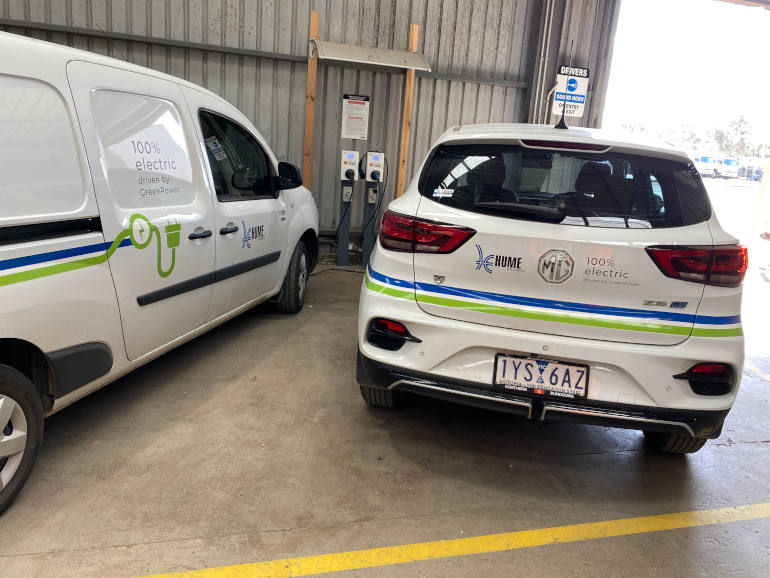
- Future-proofing the Operations Centre – upgrading power infrastructure to support additional EV chargers and enable a staged transition to electric vehicles.
Practical innovation with a safety focus
One of the most impactful recent improvements has been the introduction of a brake tester stand for the heavy fleet. While not a legislative requirement, the investment reflects a proactive approach to safety. With brakes and tyres being critical safety components, the tester provides added assurance around reliability and compliance (CoR), particularly for heavy vehicles.
Reducing emissions without compromising service delivery
Hume City Council is working within a broader council-wide sustainability strategy to reduce fleet emissions over the short, medium and long term. Key initiatives include:
- A target to transition 50 per cent of the light vehicle fleet to electric by 2035
- Participation in a pilot program using Hydrotreated Vegetable Oil (HVO) in heavy vehicles, in collaboration with other councils
This dual-track approach recognises that electrification and low-emission fuels both have a role to play, particularly where operational constraints make full electrification more challenging.
Technology supporting safety and efficiency
Technology underpins much of Hume’s fleet strategy. The council has implemented specialised fleet management software to streamline maintenance scheduling, compliance tracking and reporting. In parallel, fleet-wide asset tracking is being rolled out to improve visibility, utilisation and data-driven decision-making.
For a council managing a large, diverse fleet across a rapidly growing municipality, the focus is clear: use data, technology and practical innovation to keep vehicles safe, available and fit for purpose – today and into the future.