

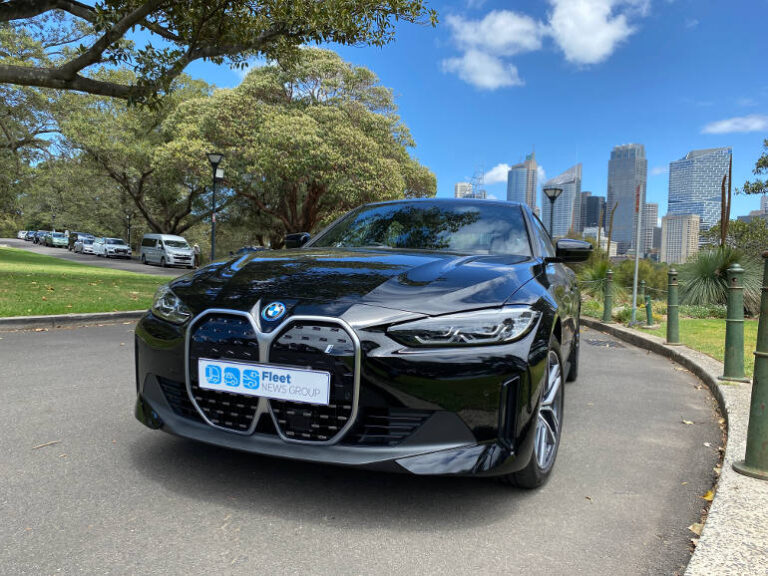
A new trade deal between Australia and the European Union is set to make luxury European vehicles more accessible to Australian workers through novated leasing and salary packaging. Changes to import tariffs and the Luxury Car Tax (LCT) under the agreement are expected to reduce vehicle prices, which in turn improves the financial benefits of salary sacrificing a new car.
For many employees, this could mean that owning a premium European vehicle is no longer out of reach. Brands such as BMW, Mercedes-Benz, and Audi are likely to become more competitive options within novated lease programs as the cost barriers begin to ease.
What Has Changed — And Why It Matters
The Australia–European Union Free Trade Agreement removes the five per cent import tariff on vehicles sourced from Europe. Industry groups have welcomed the move, noting that it will make European vehicles more affordable for Australian consumers.
In addition, the Government has confirmed adjustments to the Luxury Car Tax framework, including a higher threshold for zero-emission vehicles of $120,000.
These policy changes work together to lower the purchase price of many European models. Even modest reductions in vehicle cost can have a meaningful impact when a car is financed through a novated lease, because the savings flow through the entire salary packaging structure — affecting repayments, tax treatment, and total cost of ownership.
The broader intent of the agreement is to reduce trade barriers and deliver lower prices for consumers, with the Government stating the deal will reduce costs for Australian households by eliminating tariffs on imported goods, including motor vehicles.
Why Novated Leasing Benefits the Most
Novated leasing amplifies the financial impact of lower vehicle prices because the arrangement allows employees to pay for their vehicle using pre-tax income. When the purchase price drops, several cost components fall at the same time:
- Lease repayments
- Fringe Benefits Tax exposure
- Running costs packaged into the lease
- Residual value and financing costs
For employees who are already considering a novated lease, the new trade agreement effectively improves the value proposition without requiring any change in behaviour.
In practical terms, vehicles that were previously just beyond affordability thresholds may now fit comfortably within a salary packaging budget.
Premium Vehicles Move Into the Mainstream
Historically, luxury European vehicles have carried a price premium driven partly by tariffs and the structure of the Luxury Car Tax. The new agreement begins to shift that dynamic.
The removal of tariffs brings European vehicles into alignment with imports from other major automotive markets such as Japan, Korea, China and Thailand.
For salary packaging customers, this creates a noticeable shift in vehicle choice. Instead of stepping down to a mid-spec model, many drivers may now be able to select:
- A higher specification vehicle
- A premium brand with advanced safety technology
- A vehicle with lower emissions or electrified powertrains
- A model that better matches personal or professional image requirements
This is particularly relevant in the fleet and novated leasing market, where driver satisfaction and retention are increasingly recognised as business considerations rather than purely personal preferences.
A Practical Opportunity for Employees and Employers
From a fleet and remuneration perspective, the changes support a broader trend: using salary packaging as a strategic tool rather than simply a tax benefit.
Employers can offer novated leasing as part of a competitive benefits package, while employees gain access to vehicles that deliver:
- Improved safety and technology
- Lower running costs
- Higher comfort and productivity
- Stronger resale value
For many households, the combination of reduced vehicle prices and tax-effective salary packaging will make the difference between considering a premium vehicle and actually driving one.
The Bottom Line
The new Free Trade Agreement represents a structural shift in the affordability of European vehicles in Australia. Lower tariffs and changes to the Luxury Car Tax framework reduce purchase prices, and novated leasing magnifies those savings through salary packaging.
The result is straightforward: more Australians will be able to enjoy the benefits of driving a premium European vehicle — not as a luxury indulgence, but as a financially practical choice.