
New York City’s fleet team has delivered a coordinated, whole-of-government response to one of the city’s most severe winter weather events in recent years, keeping critical vehicles operating despite heavy snow and prolonged cold conditions.
On 25 January, New York City was hit with more than a foot of snow — the largest snowfall since 2021 — followed by an extended cold spell. Fleet operations played a central role in the response, supporting emergency services, public transport, schools and essential city services throughout the event.
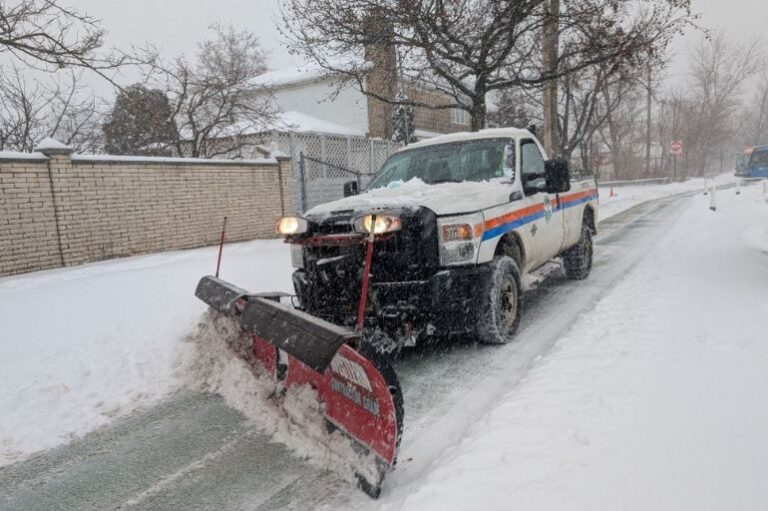
The Department of Sanitation (DSNY) led the on-road response, deploying more than 2,000 refuse trucks fitted with ploughs, alongside around 700 salt spreaders, including new units designed to protect bike lanes. These resources were backed by a broad mix of fleet assets across city agencies, including dump trucks, pickups, loaders, skid steers, snow blowers and forklifts.
To manage the scale of snow accumulation, eight snow-melting sites were established across the city, processing more than 120 million pounds of snow. At the same time, Parks and transport crews responded to fallen trees and debris caused by high winds.
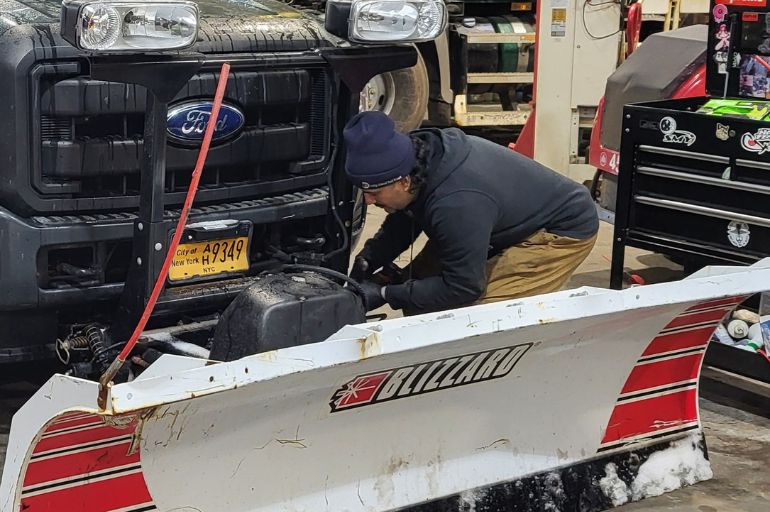
Behind the scenes, fleet maintenance teams faced a sharp increase in demand. In a typical week, New York City processes around 4,800 fleet repair and inspection work orders. In the week following the storm, that figure jumped to more than 8,300 — a 75 per cent increase — largely focused on keeping snow response vehicles operational.
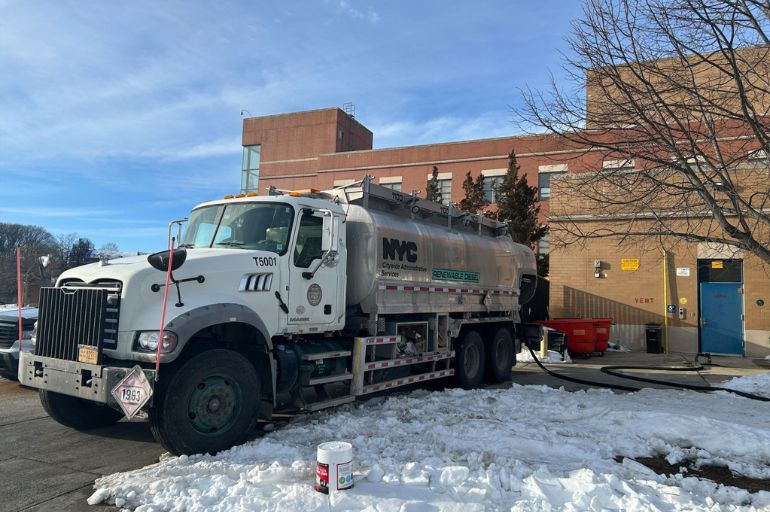
Fleet agencies also played a critical role in maintaining fuel supply during the cold snap, delivering emergency heating oil and generator fuel to public schools to ensure facilities remained open and safe.
The response highlights how fleet resilience relies not only on vehicle capability, but on maintenance capacity, fuel logistics and strong coordination across agencies — lessons that are increasingly relevant as extreme weather events become more frequent.