

Australian technology company Zetifi is urging fleet and safety managers to use National Safe Work Month this October to check whether workers can get help when they need it — particularly when mobile coverage drops out.
The company, which connects vehicles, workers and assets with fleet and safety systems, has outlined five practical steps covering communication, alert ownership, driver identification, lone-worker check-ins and emergency response testing.
The message comes against a sobering backdrop. Safe Work Australia recorded 188 worker fatalities in 2024, with vehicle incidents accounting for 42 per cent, or 79 deaths.
For fleet managers, the challenge extends beyond the vehicle. Workers may leave their vehicles to inspect infrastructure, service equipment or complete tasks alone, making reliable communication and clear response arrangements essential.
Zetifi says disconnected tools, including emails, spreadsheets and standalone management systems, can slow responses and make responsibility unclear.
Check communication beyond mobile coverage
The first step is identifying where workers regularly lose contact. That could be a regional highway, a remote property or a city sub-basement.
Zetifi recommends checking whether the equipment workers carry provides a reliable way to raise an alarm in those locations. Workers also need to understand its limitations and know what to do when a connection is unavailable.
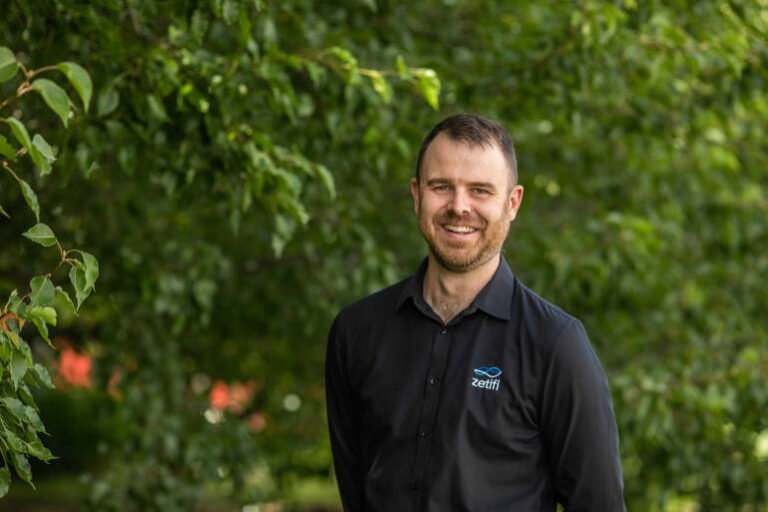
“In most cases the tools already exist, and the first job is finding out where your people drop out of contact,” said Zetifi CEO Dan Winson.
For lone workers, Winson said knowing they can call for help can also reduce the stress of being out of reach.
Give every safety alert an owner
A duress alert or missed check-in only helps if someone receives it and acts.
Zetifi recommends defining who receives each type of alert, what action they must take and who takes over if they are unavailable.
Shift changes and after-hours work warrant particular attention. Walking through these arrangements with workers, supervisors and safety teams can expose gaps before an incident occurs.
Identify who is behind the wheel
Shared vehicles can create uncertainty when the driver differs from the person recorded against the asset.
Driver apps, identification fobs or driver identification cameras can help connect vehicle activity with the correct person. Zetifi says assignments should be updated whenever drivers swap vehicles.
Accurate identification means responders can establish who is involved in an incident and contact them quickly. It also helps ensure alerts and incident records are attributed correctly.
Set clear rules for missed check-ins
Lone-worker check-in arrangements should reflect the task, location and level of risk.
A technician visiting metropolitan sites may need a different arrangement from someone working alone on a remote property for most of the day.
Zetifi recommends agreeing who monitors the worker, how quickly a missed check-in triggers follow-up and when further help should be called. Both the worker and the person monitoring them should understand the process before work begins.
Test the response from start to finish
The final recommendation is to run a planned exercise that follows an alert from activation through to a response.
This should establish whether the alert reaches the right person and whether they receive enough information to locate the worker and arrange assistance.
Exercises should also include limited mobile coverage and an unavailable first contact.
“Most organisations have a safety process written down somewhere,” Winson said. “Far fewer have tested it from start to finish.”
For fleet managers, the five checks provide a practical agenda for working with safety teams during October: establish where communication fails, confirm who responds and test whether the arrangements work under realistic conditions.
“Every one of these steps is within an organisation’s control,” Winson said. “None of them needs a big budget. They need someone to ask the hard questions now and National Safe Work Month is a good time to start.”