

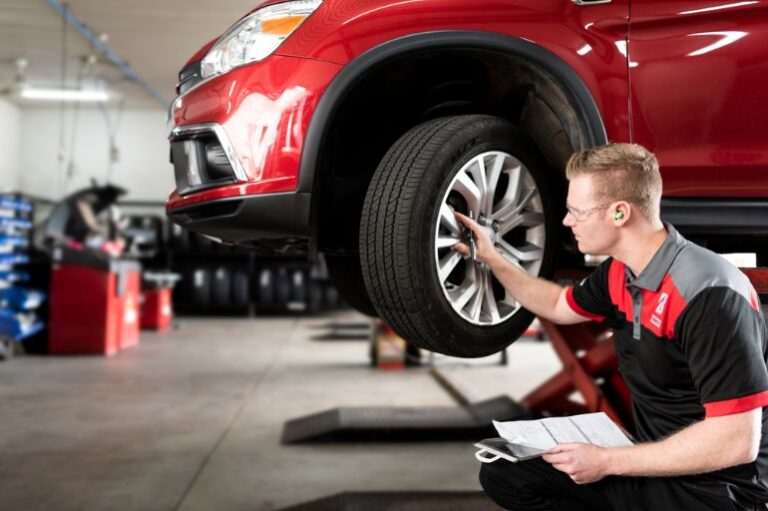
From passenger cars and utes to buses, trucks and waste vehicles, fleet applications can vary dramatically. Bridgestone Australia says the starting point for effective tyre management is understanding what each vehicle is being asked to do.
There is no such thing as a single fleet application – and Bridgestone Australia says there should not be a single tyre strategy either.
That fit-for-purpose philosophy is one of the key reasons Bridgestone has reached the finalist stage of the 2026 Fleet News Group Awards for Fleet Supplier of the Year. Its national fleet operation supports passenger fleets, light commercial vehicles, trucks, buses and waste fleets, with tyre and service recommendations shaped around how individual vehicles are used.

Scott Woolley, Senior Manager – Fleet Sales at Bridgestone Australia Ltd., said the company has a dedicated national fleet sales team of around 24 people, with staff across each state working directly with customer portfolios.
“The important piece around fleet service is listening to the customer, understanding their needs and then delivering the package that optimises their fleet, regardless of the segment they are in,” Woolley said.
That sounds simple, but the requirements can change significantly from one fleet to another – and even between vehicles operating within the same organisation.
Wade Gardiner, National Account Manager – Fleet at Bridgestone Australia Ltd., said passenger and light commercial fleets alone can contain a wide range of applications. A small passenger vehicle, an SUV, a van, a ute operating on sealed roads and a ute regularly entering construction sites may all require different tyre characteristics.
“It is about understanding what is important to the customer, what they are trying to achieve and what tyre is fit for purpose for the application,” Gardiner said. “It may not be the same tyre all the way through the fleet.”
That is an important fleet procurement principle. Standardisation can create efficiencies, but it only creates value when the product remains suitable for the task. A vehicle travelling predominantly on highways may need something different from a vehicle operating on unsealed roads or visiting work sites where tyre damage is more likely.

Gardiner said Bridgestone works with customers on fitment policies that consider both operating conditions and cost. In some cases, the best-value answer may not be the highest-specification product in the portfolio.
Bridgestone’s passenger tyre portfolio includes several brands and product categories, providing options across different price points and applications. Gardiner said the fleet team considers factors such as touring use, highway terrain, all-terrain requirements, low rolling resistance and the type of work being performed.
That same fit-for-purpose philosophy becomes even more important in heavy vehicle fleets, where steer, drive and trailer positions have different operating demands and where tyre life can represent a significant business cost.
Claudio Sodano, Sales Director at Bridgestone Australia Ltd., said truck fleets tend to measure cost per kilometre particularly closely because tyre life and casing value have a substantial effect on operating cost.
“In truck, the operator is trying to maximise the life of the tyre,” Sodano said. “You can start with a premium new tyre, then use a Bandag retread and maximise the number of times that casing can be retreaded. It is about the whole end-to-end cost.”
The service component is equally important. Bridgestone’s fleet model includes regular inspections, maintenance planning and replacement recommendations designed around customer requirements. For national fleets, the ability to apply a consistent approach across locations can be as important as the tyre itself.
Woolley said Bridgestone’s national network gives customers coverage across the country, while the dedicated fleet team provides a central relationship for understanding requirements and monitoring service performance.
The result is a supplier model that looks more like fleet consulting than a traditional transactional tyre sale. The customer provides the operating context; Bridgestone combines product knowledge, service capability and tyre data to recommend the most appropriate solution.
This also reflects a broader change in fleet management. Mature fleet teams increasingly define specifications according to operational need rather than brand preference or historical replacement patterns. The question is not simply ‘What did we buy last time?’ but ‘What is the vehicle doing, what outcome do we need and what option provides the best value over its working life?’
Bridgestone applies that same thinking to tyres.
Sodano said the company’s goal is to create long-term value for customers rather than focus solely on the product transaction.
“If we are not creating value for the customer, we are not going to have a customer for a long time,” he said. “It is about the product, the service, the network and working closely with customers to help them meet their needs.”
For fleet managers voting in the Fleet Supplier of the Year category, that raises a useful question: what should a good supplier contribute to the fleet?
If the answer includes understanding the application, helping select fit-for-purpose products, supporting vehicles nationally and working with the fleet to continually improve cost and performance, Bridgestone believes it has a strong case for recognition.
Bridgestone Australia is a finalist for the 2026 Fleet News Group Fleet Supplier of the Year. Industry voting is open until 22 September 2026. Fleet professionals can support the supplier they believe is contributing most to fleet management excellence by voting through the Fleet News Group Awards website.