

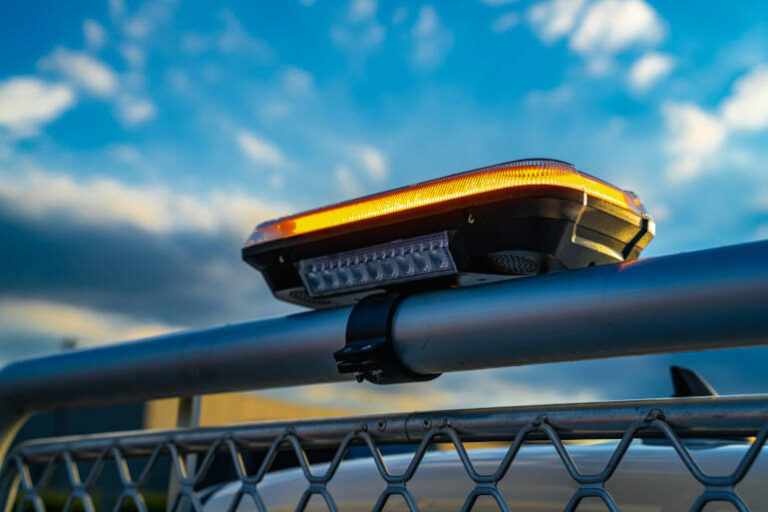
NARVA has secured what it says is Australia’s first Component Type Approval (CTA) for a reverse alarm, providing clearer compliance documentation for body builders and fleets specifying vehicle-warning equipment.
The approval covers the reverse alarm integrated into the NARVA AeroTech Multi-Function Light Box. It is certified to Australian Design Rule ADR 42/05 clause 23.2 under approval number CTA-062365.
For fleet managers purchasing vehicles with custom bodies or specialist fit-outs, the development provides a documented reference to discuss with manufacturers and installers during the specification process.
Greater confidence at the specification stage
Vehicle builds require body builders to balance operational requirements with equipment selection, installation and relevant regulatory obligations.
According to NARVA, a CTA confirms that a road-vehicle component has been assessed against the applicable Australian Design Rule requirements. The reverse alarm’s approval gives body builders supporting documentation when assessing its suitability for a particular build.
For fleet buyers, this creates a clearer basis for asking suppliers about the equipment being installed and obtaining the relevant approval details as part of the vehicle’s documentation.
Considering warning equipment early in the procurement process also allows the fleet team and body builder to discuss how it will fit the intended vehicle and application before the design is finalised.
Integrated warning equipment
The AeroTech Multi-Function Light Box incorporates the approved reverse alarm within a system developed for professional vehicle fit-outs.
NARVA says this integrated approach can support cleaner installations and more straightforward component selection, while allowing the reversing warning function to be incorporated into the overall body design.
That is relevant to builds where available space, wiring complexity and installation time all influence the finished vehicle.
For fleet managers, the practical discussion extends beyond selecting a component. It includes how warning equipment will be positioned, installed and documented for the vehicle’s intended work.
Approval scope still matters
The CTA applies specifically to the approved reverse-alarm configuration, rather than providing blanket approval for the complete light box or finished vehicle.
NARVA states that suitability of the complete product and installation must be confirmed for the intended vehicle category and application. The component approval does not replace assessment of the completed vehicle.
For fleets, the approval provides useful evidence during procurement and build reviews. The next step is to work with the body builder or installer to confirm that the selected configuration and installation suit the vehicle’s operational requirements.