


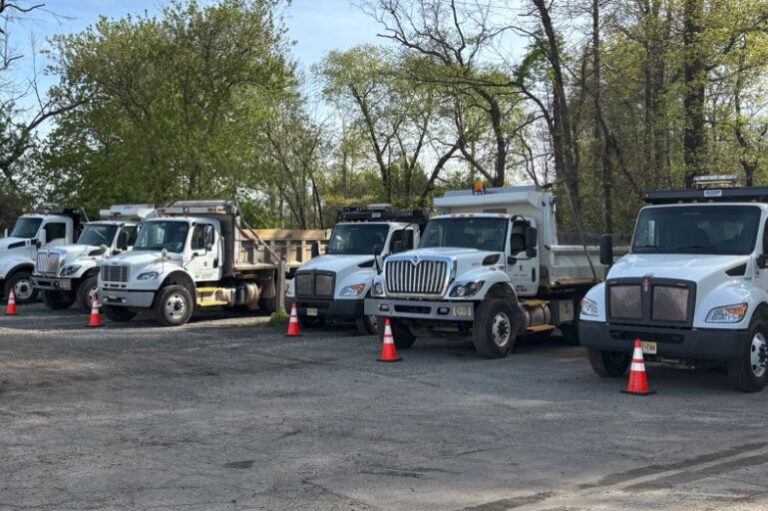
With responsibility for around 5,000 motor vehicles and approximately 7,400 total assets, Frank Tagliaferro, Director of Fleet at American Water, oversees one of the largest regulated utility fleets in the United States.
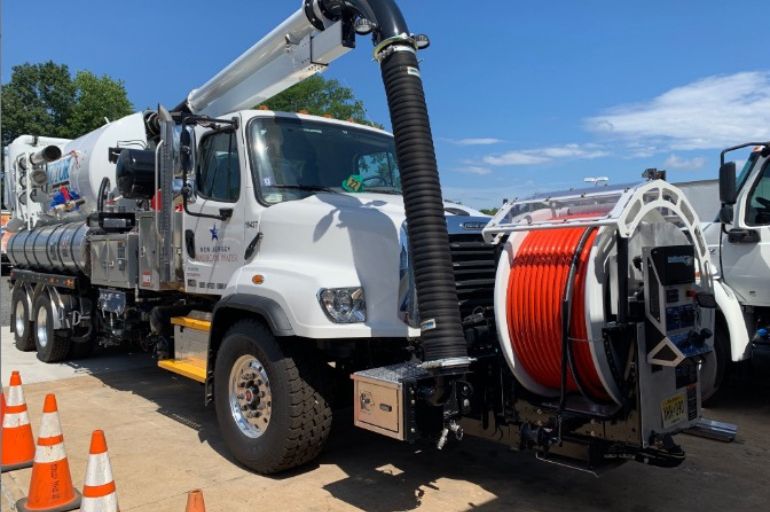
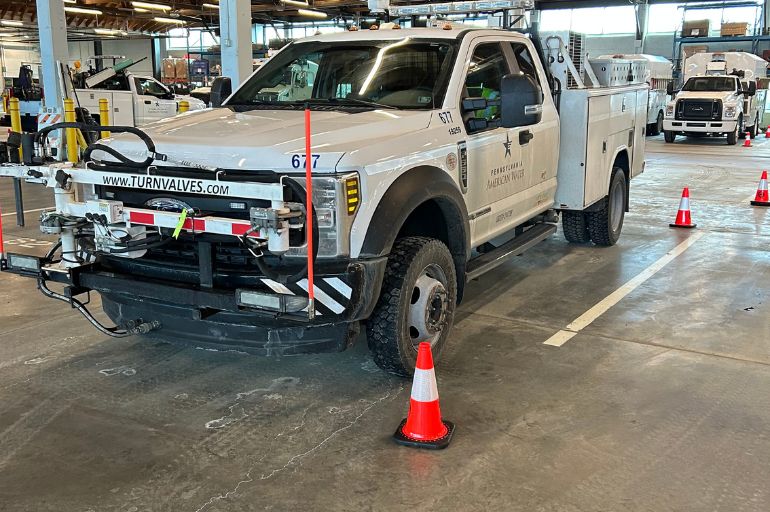
American Water operates in 14 regulated states and manages water and waste water systems across 24 states, maintaining treatment plants, water mains, hydrants and service lines that deliver potable water to homes, hospitals and businesses. The fleet reflects that breadth of activity — ranging from SUVs and light-duty utilities through to tri-axle dump trucks, hydro excavators and other highly specialised equipment.
A Centralised Fleet Transformation
Two years ago, the company moved from a decentralised fleet model to a central-led structure. Tagliaferro describes the shift as a transformation, focused on standardised processes, consistent technology and stronger governance.
The fleet team, now 18 people and growing as workshops are brought under the function, is primarily based at corporate headquarters in Camden, New Jersey, with regional representation in the Midwest and California.
Replacement planning is built around a 10-year forecast, with the first five years managed at a detailed vehicle level. Assets are ranked using a weighted scoring model that considers age, mileage, utilisation, fuel consumption and criticality. The highest-risk and most heavily used vehicles are prioritised for renewal, while years six to ten provide longer-term capital forecasting guidance.
Safety and Telematics
Following a full rollout of telematics over the past year, the fleet has recorded measurable improvements in driver behaviour. Safe driving speeds and seatbelt compliance have been key focus areas.
Tagliaferro emphasises that building a case for telematics goes beyond traditional ROI calculations. The cost of risk — including driver injury — forms part of a broader value proposition that is harder to quantify but critical for employee buy-in.
Fleet Maturity and the Next Phase
In developing the 2026 strategy, the fleet team assessed its maturity level as transitioning from foundational to intermediate. Core data capture — fuel, maintenance and inventory — is now centralised. The next step is turning that data into actionable insights and moving toward a more strategic advisory role within the business.
The goal is to shift time away from administration and toward internal consulting: identifying idle reduction opportunities, analysing total cost of ownership, benchmarking utilisation and advising operational leaders on cost control.
Emissions Reduction: Beyond Electrification
As a regulated utility accountable to customers for affordability, American Water approaches decarbonisation pragmatically. While some light-duty EVs are in service, electrification is not viewed as a universal solution.
Idle management, right-sizing both fleet numbers and vehicle specifications, and aligning engine choice to duty cycle are considered practical pathways to reducing fuel demand. Tagliaferro makes a clear distinction between “productive idle” — such as providing heating or cooling for crews responding to water main breaks — and avoidable idle time that can be reduced.
Looking Ahead
After more than a decade with American Water — including time in broader supply chain roles — Tagliaferro describes his return to fleet as “coming home”. With centralisation underway, telematics embedded and a structured maturity roadmap in place, the focus now turns to scaling efficiencies and strengthening the fleet’s strategic contribution to the business.For a utility responsible for delivering essential services to millions of customers, fleet performance is not just an operational function — it is fundamental to reliability, safety and affordability.
A Broader View at Geotab Connect
At Geotab Connect 2026, Frank Tagliaferro saw firsthand how rapidly telematics is evolving beyond vehicle tracking.
Hosted by Geotab, the event highlighted the scale of the ecosystem surrounding connected fleet technology — from data analytics and AI-driven insights through to marketplace partners offering specialised compliance, safety and asset solutions.
For a utility fleet operating across multiple states and regulatory environments, the exposure to that broader marketplace was significant. Rather than viewing telematics as a standalone tool, Tagliaferro sees increasing value in integrating fleet data with wider operational systems to support more informed decision-making.
The conference also underscored a wider industry reality: fleets that are not yet leveraging connected vehicle data are falling behind the technology curve.