

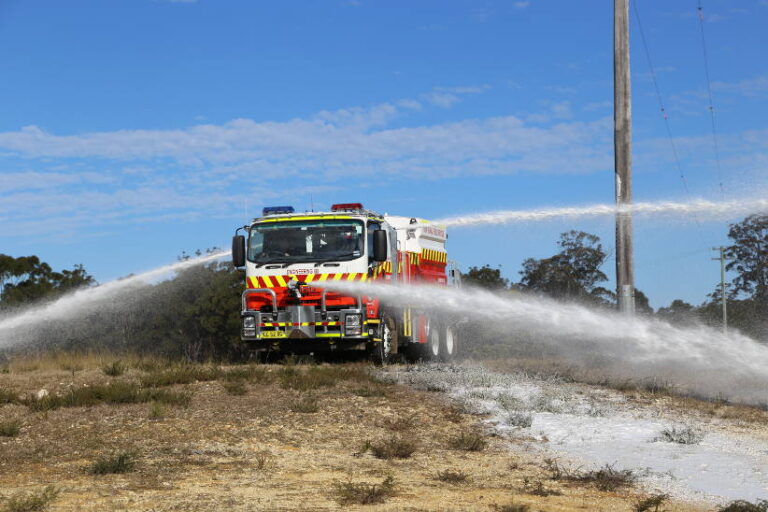
Ownership of more than 6,000 NSW Rural Fire Service firefighting and support vehicles will transfer from local councils to the RFS from 1 July 2027, following the passage of legislation through NSW Parliament.
The change will bring ownership and operational responsibility for the RFS ‘red fleet’ together, supported by a $470 million investment over 10 years to improve reliability, safety and fleet capability.
For councils, the reform addresses a longstanding concern about carrying firefighting vehicles on their books while the assets are controlled and operated by the RFS. For the service, it provides the foundation for a more consistent approach to maintenance and replacement across NSW.
RFS Commissioner Trent Curtin described the change as one of the service’s most significant reforms in recent years.
“Bringing fleet ownership and management together will support a more consistent approach to maintaining and replacing the vehicles our members rely on every day,” Curtin said.
“It will strengthen our operational capability and help ensure communities across NSW continue to receive the highest level of emergency service.”
Regional maintenance network planned
The investment includes more than $29 million over two years to establish up to eight regional maintenance hubs, supporting local jobs, apprenticeships and regional industry.
A further $106 million will be invested over four years in critical maintenance and safety upgrades across the state.
For fleet managers, the practical significance will be how central ownership translates into consistent servicing, vehicle condition standards and replacement planning across a geographically dispersed emergency fleet.
Rural Fire Service Association President Scott Campbell said maintenance consistency had been a key focus of the association’s advocacy.
“The transfer of the firefighting fleet from council to state government is a major reform that will ensure consistency across the state in relation to servicing, tyre replacement programs, and long term in lowering the age of the fleet,” Campbell said.
“Our volunteers deserve a consistent, measurable approach to keeping the trucks on the road.”
Maintenance contracts part of transition
The transition will be managed with local government, with existing maintenance arrangements among the matters to be considered.
Local Government NSW President Darcy Byrne welcomed the legislation following years of advocacy by councils.
“Councils strongly support the incredible work of the RFS and recognise it is a world leading firefighting service. We look forward to working with the Government over the next 12 months to ensure a successful transition, including appropriate consideration of maintenance contracts,” Byrne said.
Country Mayors Association Chairman Rick Firman said the association’s 89 member councils had been seeking the change for more than a decade.
“It is appropriate that the RFS who control the assets actually own them,” Firman said.
Councils will continue to play a role in bushfire prevention, hazard reduction and emergency management following the ownership transfer.
Minister for Emergency Services Jihad Dib said the investment would support vehicles that are ready for operational demands.
“Our volunteer firefighters put themselves on the line to protect people, homes and communities. They need vehicles that are fit for purpose and properly maintained,” Dib said.
The next stage will be turning the ownership reform into a coordinated fleet management system, with maintenance arrangements, regional workshop capacity and replacement priorities central to keeping vehicles available when communities need them.