

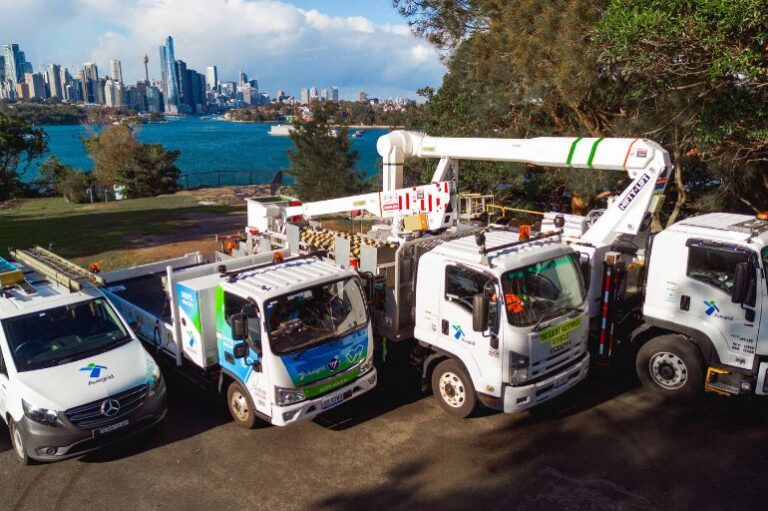
Ausgrid is a finalist in the Fleet of the Year category in the 2026 Fleet News Group Awards.
In the fifth article in our six-part series, we look at one of the less visible but most important foundations of mature fleet management: knowing what you own, what has happened to it and what it has cost throughout its working life.
Ausgrid manages approximately 1,600 vehicles and around 700 items of plant and equipment.
The fleet ranges from passenger cars to elevated work platforms, pole borers, prime movers, trailers, cable-handling equipment, boats and specialist off-road assets. Managing that diversity requires more than an asset list.

SAP as the source of truth
At the highest level, Ausgrid uses SAP as its principal source of fleet information. Heavy vehicle and plant maintenance information is captured digitally through BlueWorks and feeds into the broader asset environment.
Light vehicle servicing, fuel and other operating information is also received digitally through Ausgrid’s fleet management arrangements.
Power BI dashboards and in-vehicle monitoring systems provide another layer of reporting and operational insight.
From purchase to disposal
During the Fleet News Group Awards interview, Ausgrid described an information trail that follows an asset from the beginning of its life to disposal.
That can include pre-purchase risk assessments, procurement documentation, contracts, commissioning and training information.
Once the asset enters service, fuel, servicing, tyres, incidents and expenditure become part of the record.
When the vehicle or plant reaches disposal, the history continues through decommissioning and sale.
Maintenance information can change quickly
Digital maintenance records also allow Ausgrid to respond quickly when new information becomes available.
If a safety issue is identified internally, or another electricity network operator shares a relevant learning, service documentation can be updated.
The next technician opening that digital service sheet receives the latest version.
For specialist plant and equipment, this is an important control because maintenance information can be improved without relying on paper copies or local files being replaced manually.
Controlled documents support governance
Ausgrid also operates a structured controlled-document process. The level of a document determines how often it is reviewed and who needs to approve changes.
A basic work instruction may follow a different pathway from a safety policy requiring executive or CEO endorsement.
Documents are held and managed through defined business processes rather than being stored informally by individuals.
Data can also identify exceptions
Good fleet information is not only useful for historical reporting. Ausgrid can create automated flags to identify activity that does not make sense.
During the interview, the fleet team gave the example of a fuel transaction that greatly exceeds the capacity of a vehicle’s tank. Rather than relying on somebody noticing the anomaly later, the system can identify it for investigation.
Why this matters for Fleet of the Year
Fleet excellence is often associated with visible projects such as electric vehicles or new technology.
But those decisions depend on the quality of the systems behind them.
Ausgrid’s digital asset history, controlled maintenance information and structured reporting provide the governance required to manage a large and specialised fleet.
Ausgrid is a finalist in the 2026 Fleet News Group Fleet of the Year Award. You can recognise the work behind the vehicles by casting your vote for Ausgrid.
Vote for Ausgrid in the Fleet of the Year Award
The winners will be announced in Sydney on 14 October 2026.
Register your interest for the Fleet News Group Awards Night
Next week: In the final article in the series, we look at a simple operational idea taking the mechanic to the truck instead of taking the truck to the workshop.