

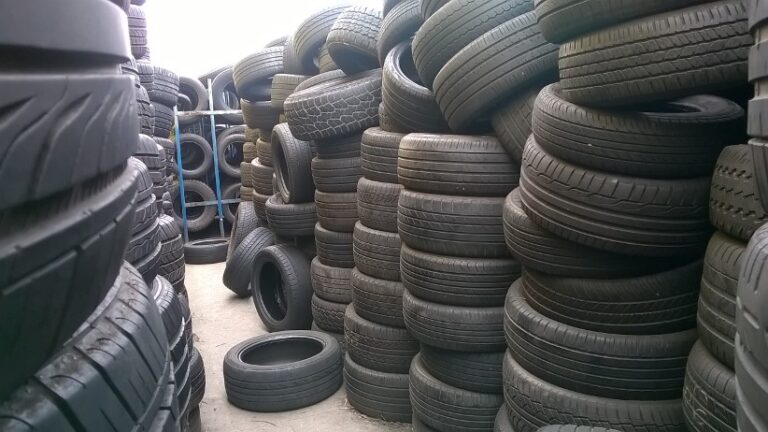
A parliamentary inquiry has called for stronger national coordination of end-of-life tyre management, with recommendations covering tyre stewardship, retreading and the recovery of off-the-road tyres.
The House Standing Committee on Industry, Innovation and Science has tabled When the rubber hits the road: inquiry into the Australian tyre industry, making 12 recommendations aimed at building a stronger circular economy for tyres.
For fleet managers, the inquiry puts attention on what happens after a tyre is removed from a vehicle — and how purchasing and disposal decisions can help keep valuable materials in use.
The Committee identified significant challenges in managing end-of-life tyres, despite their essential role in Australia’s economy and transport networks.
Its recommendations include developing a nationally harmonised regulatory framework, auditing and strengthening tyre stewardship arrangements, improving off-the-road tyre recovery and management, and supporting the tyre retreading industry.
Committee Chair Rob Mitchell MP said used tyres should be recognised as a resource.
“End-of-life tyres are not the end of the story,” Mr Mitchell said.
“This inquiry found they should be seen as the beginning of a new opportunity, with valuable materials that can be recovered, recycled, and put back to work in the economy.”
Looking beyond the replacement tyre
For organisations operating vehicle fleets, the recommendations provide a reason to review tyre supply and disposal arrangements together.
That could include asking suppliers how removed tyres are collected, where they are sent and what evidence is available to demonstrate their eventual recovery or processing.
Documenting those arrangements would give fleet managers greater visibility over a waste stream generated through routine maintenance, while supporting organisational sustainability reporting.
The recommendation to support retreading also brings tyre life extension into the discussion. For suitable fleet applications, retreading warrants consideration alongside operating requirements, tyre condition, safety and whole-of-life cost.
Off-the-road tyre recovery is particularly relevant to organisations operating plant and equipment alongside their road vehicles, including councils, construction businesses and mining operations.
Turning waste into economic value
Mr Mitchell said improving tyre recovery offered benefits beyond waste reduction.
“This is not simply an environmental issue. It is an economic opportunity,” he said.
“Australia has the chance to create jobs, support regional industries and reduce waste by making better use of the resources already at our disposal.”
The recommendations set out a proposed direction for reform. For fleet buyers, the immediate opportunity is to make end-of-life management part of the supplier conversation, connecting tyre procurement, maintenance and disposal within the same lifecycle approach.