

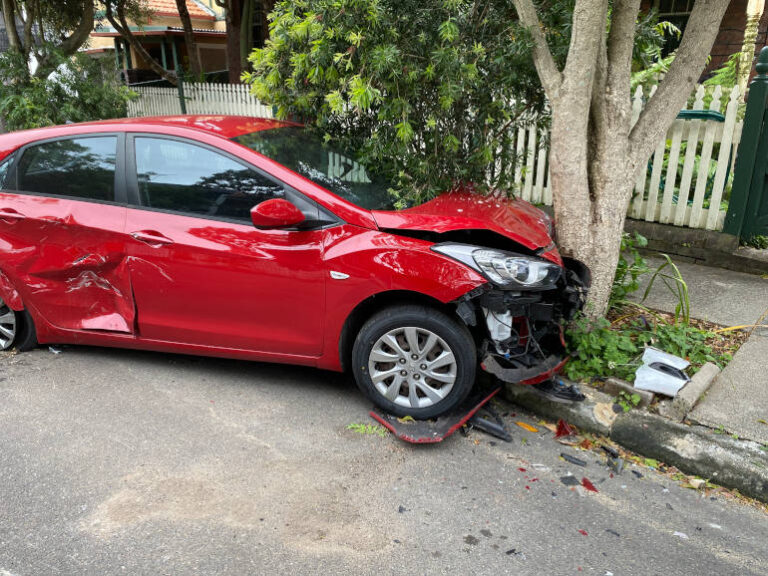
Accident management has traditionally been treated as an operational necessity — something that happens after an incident and is managed quietly in the background by fleet teams or insurers. But as fleets contend with rising vehicle costs, tighter budgets and stronger governance expectations, accident management is becoming far more strategic. It is one of the few areas where fleet operations, insurance strategy and procurement decisions naturally intersect.
According to Shaun Janks, Co-Founder and Chief DingGo at DingGo, many organisations fail to unlock the value of accident data because it remains fragmented across departments.
“In most businesses, fleet manages the vehicles, insurance manages the policy, and procurement focuses on purchasing,” Janks explains. “Accident data cuts across all three, but it’s rarely brought together in a way that informs better decisions.”
That separation creates blind spots. Fleet teams understand incident frequency and downtime. Insurance teams focus on claims performance and premiums. Procurement often selects vehicles without visibility of repair trends or damage patterns by make and model.
“Accident management is one of the few datasets that speaks to the entire vehicle lifecycle,” Janks says. “If that information stays siloed, its impact is limited.”
From a fleet operations perspective, accidents represent more than panel damage. They disrupt productivity, remove vehicles from service and absorb internal time and resources. Even minor incidents require coordination, approvals and follow-up.
“Fleet Managers feel the impact immediately,” Janks says. “A vehicle off the road isn’t just a repair job — it’s lost productivity and pressure on the rest of the fleet.”
Insurance teams see a different dimension of the same issue. Their focus is on claims frequency, excess levels and long-term premium performance. But when only insured claims are analysed — particularly those above the excess — part of the picture is missing.
“If you’re only looking at what goes through the policy, you don’t have a complete view of risk,” Janks notes. “That makes it harder to actively manage premiums over time.”
Procurement teams can be even further removed from accident insights, despite the relevance to whole-of-life cost decisions. Vehicles with similar purchase prices can perform very differently once exposed to real-world operating conditions.
“We consistently see variations in repair frequency and severity across different makes and models,” Janks says. “Without accident data, procurement decisions are made on incomplete information.”
When accident management is approached holistically, it becomes a unifying data source rather than an isolated process. Shared insights allow organisations to identify recurring patterns, compare vehicle performance and align decisions around cost control and risk management.
“When fleet, insurance and procurement are working from the same information, the conversation changes,” Janks explains. “Instead of reacting separately, they can make coordinated decisions.”
One practical example is insurance optimisation. By understanding which incidents should be claimed and which can be managed outside the policy, organisations can reduce unnecessary claims while still maintaining visibility over total damage exposure.
“This isn’t about avoiding insurance,” Janks says. “It’s about using it strategically so you protect affordability over the long term.”
Accident insights also sharpen procurement strategy. A vehicle that appears competitive at purchase may prove more expensive across its lifecycle if it attracts frequent minor damage or high repair costs.
“Accident data gives you a real-world performance layer that you simply don’t get from brochure specs or purchase price,” Janks says.
The maturity of this approach often mirrors broader fleet governance. Less mature organisations treat accident management as reactive administration. More mature fleets digitise reporting, standardise workflows and integrate accident data into executive reporting and asset strategy.
“Mature fleets don’t see accident management as paperwork,” Janks says. “They see it as insight.”
Digitisation is central to that shift. Manual reporting processes make it difficult to capture complete and timely data, particularly for low-value incidents. Digital platforms reduce friction, increase reporting rates and ensure information is visible to relevant stakeholders.
“If capturing and sharing data is simple, it gets used,” Janks says. “That’s when accident management moves from compliance to competitive advantage.”
As fleet complexity increases — through higher vehicle values, new powertrains and stronger accountability — integrated decision-making becomes essential. Accident management sits at the centre of that challenge.
“Accidents influence cost, risk, uptime and asset value,” Janks concludes. “When fleet, insurance and procurement finally meet around the same data, the benefits extend well beyond accident management itself.”
- From the Workshop to the World Stage
 mycar Tyre & Auto apprentice Edie Thurtell’s rise to Australia’s WorldSkills team highlights the importance of investing in the technicians who will keep the country’s fleets moving. The 21-year-old earned her place at WorldSkills Shanghai 2026 after winning gold at the 2025 National Competition, representing New South Wales and mycar. She followed that achievement with
 - One fleet, many applications: why tyre management can’t be one-size-fits-allFrom passenger cars and utes to buses, trucks and waste vehicles, fleet applications can vary dramatically. Bridgestone Australia says the starting point for effective tyre management is understanding what each vehicle is being asked to do. There is no such thing as a single fleet application – and Bridgestone Australia says there should not be
- Why Fleet Managers Need Real-Time Visibility of Vehicle ServicingKeeping vehicles serviced on time sounds like one of the most basic fleet management tasks. In practice, maintaining visibility across a large fleet can be much more difficult. Vehicles may be approaching a service interval, drivers may already have made bookings, workshops may have completed work, and fleet managers can still be left trying to
- Why Bridgestone says the real cost of a tyre isn’t the tyreFor mature fleet operations, tyre management is no longer just a question of purchase price or kilometres travelled. Bridgestone Australia says the bigger opportunity is to reduce downtime, improve utilisation and manage the true cost of keeping vehicles on the road. Fleet managers have spent years shifting procurement conversations away from purchase price and towards
- More Payload, Less Red Tape for HiLux FleetsFleet operators looking to increase Toyota HiLux payload capacity without adding unnecessary compliance costs are being encouraged to consider GVM upgrades that keep vehicles within the 3500kg NA category. Pedders says selecting the highest available payload upgrade is not always the most cost-effective answer, with fleet operators needing to balance legal compliance, operational efficiency and