

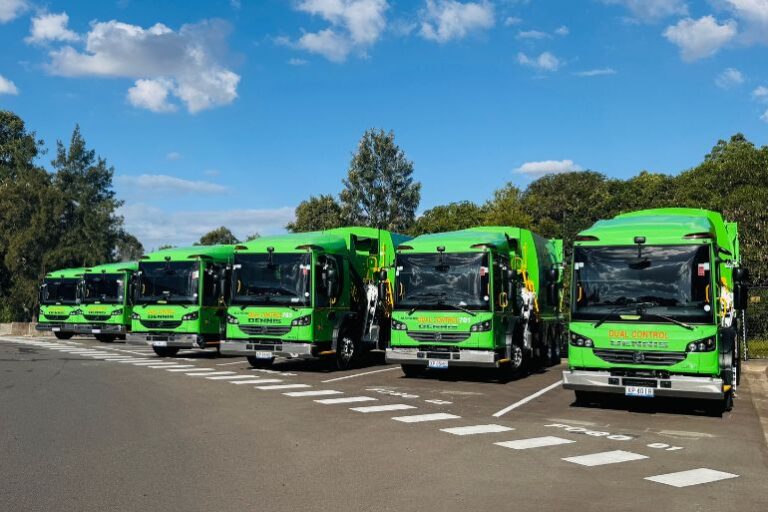
Blacktown City Council is a finalist in the Fleet of the Year category in the 2026 Fleet News Group Awards.
In the final article in our six-part series, we look at how the fleet team is planning for population growth and higher service demand without assuming the answer is simply more vehicles.
Blacktown is a growing city, and changes in housing density are expected to place increasing pressure on council services.
More residents can mean more waste collection, more street cleaning, more parks activity and more demand on the vehicles supporting frontline teams.
The obvious response would be to increase fleet numbers. Blacktown is looking for another option.

Using assets harder before buying more
The fleet team wants to increase utilisation where it can do so safely and practically.
That means understanding which vehicles are underused, where assets can be rotated between departments and whether operating hours can be extended.
The aim is to increase service capacity without automatically increasing the number of vehicles in the fleet.
Electric trucks could change operating hours
One example discussed during the Fleet News Group Awards interview was the introduction of electric rear-loading waste trucks.
Quieter vehicles may create opportunities to operate earlier or later than conventional trucks where operational and community conditions allow.
If one truck can effectively complete two shifts, the council may be able to avoid purchasing another asset that would otherwise spend part of the day parked.
This is still an operating concept rather than a guaranteed outcome, but it shows the type of thinking behind Blacktown’s fleet strategy.
Growth changes the fleet plan
Blacktown’s asset management plan is designed to remain agile as development patterns change. The council is considering how areas that previously contained detached homes may transition to higher-density residential development.
That affects the number of services required in the same geographic area and changes the assumptions behind future fleet demand.
The fleet strategy therefore has to respond to population growth, service requirements and technology at the same time.
Standardisation supports flexibility
Standardised bodies and vehicle specifications also make it easier to move assets between departments.
Rather than creating highly customised vehicles that can only perform one role, the fleet team is looking for opportunities to increase interchangeability where practical.
This provides another way to absorb changing demand without automatically increasing fleet size.
A strategy focused on productivity
The broader objective is to improve the productivity of each asset. Blacktown’s use of telematics, utilisation dashboards, lifecycle planning and electrification all contribute to that goal.
The question is not simply how many vehicles the council needs. It is how much useful service each vehicle can deliver over its working life.
Why vote for Blacktown City Council?
Across this six-part series, Blacktown City Council has demonstrated a fleet operation focused on reliability, proactive maintenance, electrification, specialist capability, data-led replacement and smarter utilisation.
Its future challenge is significant: support a growing city while continuing to control cost, improve safety and reduce emissions.
The fleet team’s response is not to default to more vehicles, but to make better use of the assets already available and introduce new technology where it improves the operation.
Blacktown City Council is a finalist in the 2026 Fleet News Group Fleet of the Year Award. If you believe this combination of operational discipline and future-focused thinking deserves recognition, cast your vote for Blacktown.
Vote for Blacktown City Council in the Fleet of the Year Award
The 2026 Fleet News Group Awards winners will be announced in Sydney on 14 October 2026.
Register your interest to attend the Fleet News Group Awards Night