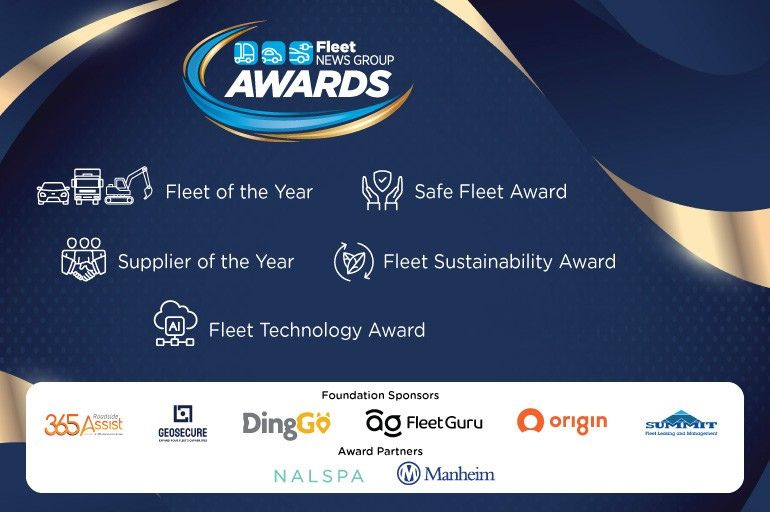
Fleet News Group has announced the Safe Fleet Award as part of the 2026 Fleet News Group Awards program, recognising organisations that take a structured, organisation-wide approach to managing vehicle safety.
This award is designed to highlight fleets that treat vehicles as a workplace — applying the same safety management systems, governance, and leadership commitment used in other areas of operational risk.
It is not an award for purchasing vehicles with a five-star safety rating. It is an award for building a safety culture supported by data, accountability, and continuous improvement.
A Holistic Approach to Fleet Safety
Modern fleet safety is about more than vehicle specifications. It requires leadership, systems, and consistent reporting that allow organisations to identify risks and reduce incidents over time.
The Safe Fleet Award recognises organisations that have integrated fleet operations into their broader safety management framework — aligning vehicle safety with workplace health and safety obligations, risk management processes, and organisational governance.
Judges will be looking for evidence that safety is managed proactively, not reactively.
What the Judges Will Look For
To be eligible for the Safe Fleet Award, organisations must demonstrate a structured and measurable approach to managing fleet safety. The focus is on outcomes and accountability rather than intentions.
Key criteria include:
Recording and Reporting All Fleet Incidents
Organisations must capture data on incidents involving all fleet assets — including cars, trucks, plant, and equipment. Reliable data is the foundation for understanding risk and improving safety performance.
Establishing a Baseline and Setting Reduction Targets
High-performing fleets understand their starting point. Judges will look for organisations that have established a clear baseline for incidents and set measurable targets to reduce risk over time.
Regular Reporting to Stakeholders
Safety performance must be visible. Organisations should provide regular reporting tailored to different stakeholders, including operational teams, senior management, and executives.
Executive Commitment to Fleet Safety
Leadership engagement is essential. Judges will assess the level of executive involvement in setting expectations, allocating resources, and monitoring safety outcomes.
These criteria reflect best-practice fleet management and align with the expectations of regulators, insurers, and organisational risk frameworks.
Safety Is a Leadership Issue
Across Australia, vehicle incidents remain one of the most significant sources of workplace risk. For many organisations, the fleet represents the largest uncontrolled workplace environment — with employees operating vehicles on public roads every day.
The Safe Fleet Award recognises organisations that understand this risk and respond with structured management practices, clear accountability, and a commitment to continuous improvement.
It also reinforces an important message for the fleet industry:
safety performance is driven by systems and leadership, not just vehicle technology.
Part of the Fleet Management Excellence Awards
The Safe Fleet Award sits within the Fleet Management Excellence Awards stream of the Fleet News Group Awards program, which recognises organisations delivering measurable outcomes across key areas of fleet management.
Finalists for each category will be selected by a panel of fleet managers and industry leaders, with the broader fleet community then invited to vote for the winner through a transparent online process.
This approach ensures the awards reflect the priorities of the fleet community and provide recognition that is both credible and industry-led.
Nominations Now Open
Organisations operating cars, trucks, plant, or mixed fleets across Australia are encouraged to submit a nomination for the Safe Fleet Award.
The awards program is designed to recognise practical achievements — organisations that have implemented systems, measured performance, and delivered safer outcomes for their drivers and the community.
Because in fleet management, safety is not a feature of the vehicle.