
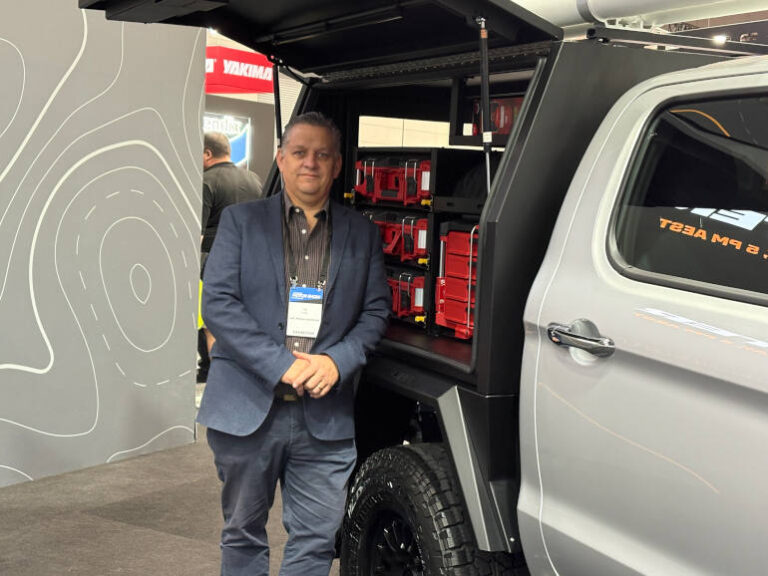
JAC Motors Australia is stepping up its fleet ambitions, with newly appointed Head of Fleet Tim Crilly outlining a strategy built on relationships, whole-of-life costs and a growing range of electrified utes.
Speaking with Fleet News Group at the Melbourne Motor Show 2026, Crilly said fleet customers remain a critical focus for the brand as it looks to expand beyond its retail foundations and establish itself as a credible long-term supplier to Australian businesses.
After spending more than a decade helping build fleet programs for another ute manufacturer, Crilly said the challenge of joining a newer brand was an opportunity to start again from the ground floor.
“It’s really great to come over to a brand that has been in Australia for 18 months and help develop that fleet space,” said Crilly. “The formula probably doesn’t change. It’s about who you know, it’s about producing and building on the relationships you have, putting the right product in front of the right people at the right time and understanding their needs.”
Trust remains the key challenge
While many new vehicle brands entering Australia have initially focused on retail sales, Crilly believes fleet success depends on earning trust and proving capability over time.
“The biggest thing Fleet Managers are searching for is the trust piece,” he said.
“I regularly say to a fleet manager that my job is to make them look good. By making them look good, that’s taking out the complaints from their drivers on a daily basis and removing those speed humps they regularly come across.”
Crilly said fleet customers expect more than a competitive purchase price. Dealer coverage, aftersales support and warranty backing are all critical factors when evaluating a new supplier.
JAC currently has 45 dealers nationally, supported by additional service facilities, with plans to continue expanding its network. The company also offers a seven-year unlimited kilometre warranty across its range.
“Some competitors in the fleet space reduce the kilometres because they’re not quite sure about it,” Crilly said. “We won’t. We’ll stand by it for seven years of unlimited kilometres.”
Hunter PHEV expected to attract fleet interest
A major focus for JAC this year will be the launch of the Hunter plug-in hybrid ute.
According to Crilly, the vehicle is already generating strong interest from larger corporate fleets looking to reduce emissions without compromising operational flexibility.
“We’re seeing a lot of bigger corporates under pressure to improve their footprint,” he said.
“If you’re talking to a fleet with 1,000 utes, that’s a huge footprint they’ve got, so anything they can do to reduce that is really important.”
Crilly believes the Hunter’s plug-in hybrid drivetrain addresses one of the biggest barriers to fleet electrification: range anxiety.
“The plug-in hybrid vehicle ticks a lot of boxes because it takes away the range anxiety issue,” he said.
“It’s got over 1,000 kilometres of range when both the battery and fuel tank are full, but if you do run out of charge out on site, you’ve got the backup of petrol to get you back to base.”
Importantly for traditional ute buyers, Crilly stressed that the Hunter remains a genuine work vehicle rather than a lifestyle SUV with a tray.
“We’ve got locking diffs front and rear, off-road modes for sand, grass and mud, so it’s actually a ute,” he said.
Australian development matters
JAC has also invested in local testing and suspension tuning for Australian conditions, something Crilly believes helps fleet managers justify introducing a new brand into their vehicle selection lists.
“We’ve done around 50,000 kilometres of testing in Australia and tuned the suspension for Australian conditions,” he said.
“It’s something a fleet manager can point to and say it’s been tested locally and it’s going to work on a mine site or on the beach on the weekend.”
Fleet feedback influencing product development
One of the factors that attracted Crilly to JAC was what he describes as a genuine commitment to fleet customers from both the Australian operation and the parent company in China.
He revealed that JAC’s senior leadership regularly seeks direct feedback from fleet customers and is prepared to make product changes quickly.
“The Chairman from China is here today and I spent 20 minutes with him talking about how important fleet is and how much he wants to sit with fleet customers, hear their feedback, both good and critical, and change the product for us specifically for fleet,” Crilly said.
He added that JAC’s ability to implement product updates within months rather than waiting for a full model changeover could become a significant advantage.
“We’ve implemented changes earlier this year that customers will see very soon,” he said.
“The fact we can change a button here or a feature there within a year rather than waiting four or five years or a next generation vehicle is very important.”
A measured approach for fleet buyers
For Fleet Managers considering emerging brands, Crilly recommends focusing on three factors: global capability, operating costs and value.
“You want to look at their history and capability globally,” he said.
“Then you need to understand what the operating cost looks like. Whole-of-life costs are super important to fleets and leasing companies. And finally, price.”
He also encouraged fleet operators to continue using pilot programs and trials before making large-scale commitments.
“We’ve got big fleets out there already running 60 and 70 of these vehicles on mine sites with really positive feedback over the last 12 months,” Crilly said.
For JAC Motors Australia, the message is clear: fleet is not being treated as a short-term volume opportunity. Instead, the company is positioning itself for a gradual, long-term build based on product capability, aftersales support and direct engagement with fleet customers.