

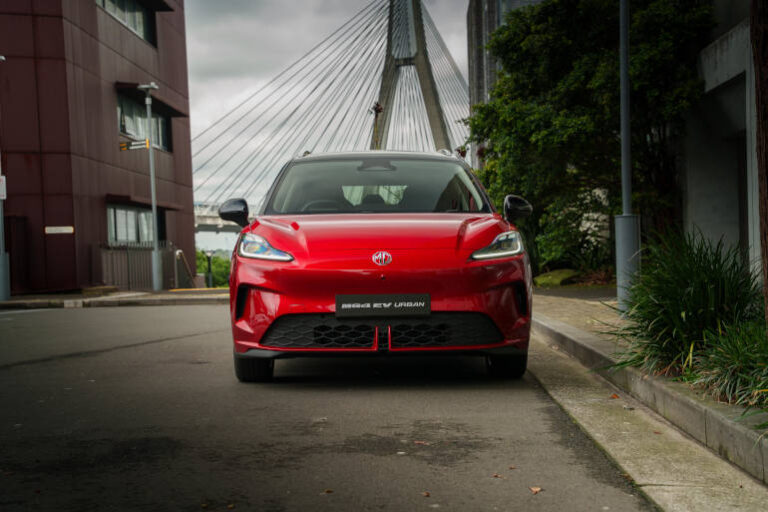
Ten years ago, MG was a relatively unknown player in the Australian new car market. Today, more than 300,000 MG vehicles are on Australian roads, and the brand is outselling some of the industry’s most established manufacturers.
The transformation has been rapid, with MG recording 4,676 sales in October 2026, an increase of 31.5 per cent compared with the same month last year.
The result placed MG sixth on the Australian new vehicle sales ladder, while year-to-date deliveries reached 41,508 vehicles, up 14.7 per cent.
It’s another reminder that the Australian automotive market is changing, and the brands that dominated fleet purchasing decisions a decade ago are facing increasing competition.
A decade makes a big difference
When MG returned to Australia in 2016, it had just two models and a relatively small retail presence.
Today, the range has expanded to 13 models, offering petrol, hybrid and electric powertrains across several vehicle segments.
The growth has also been accompanied by significant investment in the business behind the vehicles.
MG now has approximately 120 sales and service locations nationally, with 1,660 trained technicians and 720 after-sales staff supporting customers.
Three national parts warehouses hold more than $23 million in inventory, providing the infrastructure needed to support a rapidly growing population of MG vehicles.
For a manufacturer that initially attracted customers through competitive pricing, building a substantial service network is an important step towards becoming an established automotive brand.
MG Motor Australia Marketing Director Dimitri Andreatidis said the expansion had been about more than introducing new vehicles.
“Ten years ago, MG had just two models in Australia. Today, we have a diverse line-up of 13 models, offering a vehicle for every Australian buyer when it comes to size and powertrains, and a much bigger presence right across the country.”
The Chinese automotive industry is changing the market
MG’s growth in Australia is part of a much bigger transformation taking place across the global automotive industry.
Its parent company, SAIC Motor, has surpassed one million passenger vehicle sales in 2026, with sales growing 43.8 per cent between January and October.
The company’s transition towards electrified vehicles is also gathering pace.
In January, new energy vehicles represented 36.4 per cent of SAIC Motor’s passenger vehicle sales. By October, that proportion had climbed to 61.7 per cent.
The shift highlights how quickly Chinese manufacturers are expanding their electric and hybrid vehicle offerings while continuing to compete in traditional vehicle segments.
MG’s electric MG4 has now achieved more than 525,000 cumulative sales globally, demonstrating the scale available to manufacturers developing vehicles for multiple international markets.
For Australian buyers, that scale is helping create a market with more brands, more models and greater competition across different powertrain technologies.
Fleet buyers have more choice than ever
For fleet managers, the success of MG raises an interesting question: how long does a new manufacturer need to establish itself before becoming a mainstream fleet option?
Historically, many organisations have relied on familiar brands because of established servicing arrangements, predictable maintenance costs and confidence in resale values.
But the Australian vehicle market is evolving, and fleet procurement policies developed around a small group of manufacturers may need to be reconsidered.
With more than 300,000 MG vehicles now operating in Australia, there is a growing opportunity to assess the brand’s performance using local ownership and operating experience.
The expanding dealer network also improves the practicality of considering MG vehicles for fleets operating across different geographic locations.
Of course, sales growth alone doesn’t guarantee fleet suitability. Residual values, servicing costs, reliability and vehicle downtime remain important factors in purchasing decisions.
However, MG’s rapid expansion demonstrates why fleet managers should continue reviewing the market rather than relying exclusively on traditional supplier relationships.
The next decade will reveal whether MG can convert its retail sales momentum into stronger fleet relationships and long-term customer loyalty.
One thing is already clear: MG is no longer simply an emerging brand trying to establish a foothold in Australia. It has become a significant competitor in one of the world’s most competitive automotive markets.