BYD says fleet customers now account for around 20 per cent of its Australian sales, marking a significant increase since the manufacturer shifted to a factory-backed distribution model.
Marcus Walker, National Fleet Sales Manager at BYD Australia and New Zealand, told the Fleet News Group during an interview for a podcast episode that fleet represented around 10 per cent of BYD sales at the end of 2025, with the proportion continuing to grow during 2026.
“At the moment, we’re sitting at about 20% fleet mix, which is just a massive achievement to our team and the broader BYD team too,” Walker said.
The increase is an important marker for BYD as it moves beyond the strong retail and novated leasing demand that helped establish the brand in Australia.

BYD initially entered the Australian market through EV Direct before moving to a factory-backed distribution model. Walker said the change had helped provide Fleet Managers with a clearer connection to the manufacturer.
“I do think that a lot of fleet managers like when an OEM is factory backed and factory owned,” Walker said.
He also acknowledged the work undertaken by EV Direct during BYD’s early years in Australia, while saying direct access to the factory was helping to build confidence among larger customers.
“I think for us to be able to have a clear connection and clear direct channel to the factory for our customers and for our potential customers is a big part of growing that trust.”
For fleet buyers, that connection becomes increasingly important as vehicle volumes grow. Large corporate and government fleets need more than a competitive vehicle specification; they also need confidence that an OEM can support national procurement programs and develop long-term relationships.
Walker said local government had become one area of increasing activity for BYD, with the company working alongside its dealer partners on council purchases in Sydney as well as fleets elsewhere in Australia.
“The councils around Sydney are certainly coming on board, and same with the rest of the country too,” Walker said. “We work very closely with the likes of QFleet and a lot of the councils in Victoria too.”
The changing product range is also giving BYD more opportunities to participate in different parts of the fleet market.
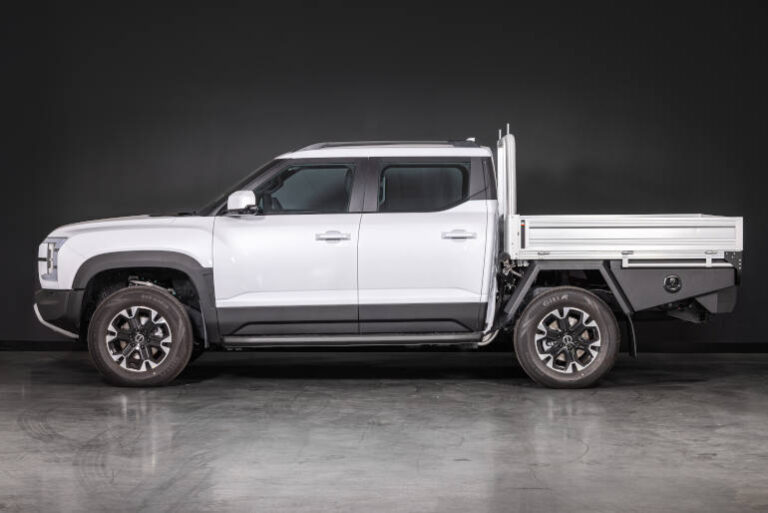
Walker highlighted the Shark 6 plug-in hybrid ute as one model attracting attention from fleet customers because it offers electric driving for regular daily use while retaining petrol capability for longer trips.
“Shark Six has certainly, I guess, shaken up the industry quite a lot,” Walker said.
He said the ability to potentially complete normal weekday duties using electric power before relying on fuel for longer journeys had changed how some customers viewed the role of plug-in hybrids.
The Sealion 7 has also found customers across both tool-of-trade and novated leasing markets, although Walker distinguished novated leasing from what BYD considers traditional fleet sales.
For Fleet Managers, the growth of BYD’s fleet mix is significant because it shows the brand increasingly competing for business beyond private EV buyers.
Moving from around one in 10 sales at the end of 2025 to around one in five during 2026 also creates a different challenge for BYD. Winning individual retail buyers is one thing; supporting government, corporate and national fleets requires longer procurement cycles, account management and confidence that vehicles can remain productive throughout their operating life.
Walker said BYD sees its growing model range as one of the advantages it can bring to those conversations, with vehicles now covering applications from pool cars through to tool-of-trade use.
“We really have such a broad, broad range of vehicles, which suits right from the company pool car to tool of trade with a service body in our new Shark cab chassis,” Walker said.
With fleet now accounting for around 20 per cent of BYD sales, the next phase will be less about proving that fleets will consider the brand and more about demonstrating that its growing Australian operation can support those customers over the full vehicle lifecycle.