

Have you noticed how excited people get about their solar panels and home batteries? They’ll happily pull out their phones, show you their electricity consumption and explain how much money they’re saving. So why aren’t Fleet Managers doing the same thing with their fleet data?
Spend a few minutes talking to someone who has recently installed solar panels and a battery at home, and there’s a good chance you’ll end up looking at an app on their phone.
They’ll show you how much electricity their panels generated yesterday, how much energy they’ve stored in the battery and how little they’ve paid the electricity company this month.
Some will even tell you how much money they’ve saved since installation, complete with graphs and comparisons.
And they’re genuinely excited about it!
At the recent All Energy Expo, it was fascinating to see the enthusiasm for solar panels, batteries and charging infrastructure. But what was even more interesting was watching people talk about the data.
Everyone seemed to be comparing numbers, discussing performance and looking for ways to squeeze a little more value out of their investment.
It got me thinking. Why don’t we see the same excitement from Fleet Managers?
Where’s the enthusiasm for fleet KPIs?
Imagine being at a fleet conference and seeing a group of Fleet Managers standing around looking at their phones.
Not checking emails or scrolling through LinkedIn, but comparing fleet performance.
“Look at this! We’ve reduced our maintenance costs by 12% this year.”
“That’s nothing. Check out our vehicle utilisation since we introduced pool cars.”
“Wait until you see what we’ve saved by changing our replacement cycles!”
It might sound a little unusual, but why should it?
Fleet Managers are responsible for assets worth millions of dollars. The opportunities to reduce costs through better utilisation, maintenance, procurement and replacement planning are enormous.
Surely that’s worth getting excited about?
It’s all about the money
One thing that became obvious at the energy exhibition was that while people were interested in renewable energy and reducing emissions, the real excitement often came from saving money.
Every kilowatt-hour generated by their solar panels was another little victory over their electricity bill. And because they could see the results immediately on their phones, they stayed engaged.
Fleet management isn’t that different.
Every vehicle that’s better utilised, every unnecessary asset that’s removed and every improvement in fuel efficiency can deliver real savings.
The difference is that homeowners can often see their savings instantly, while Fleet Managers might have to wait until the end of the month for a report, or spend hours pulling information from different systems.
That’s hardly going to generate much excitement.
Maybe it’s time to put fleet data in our pockets
We have telematics, fleet management systems, fuel cards, maintenance platforms and connected vehicles generating enormous amounts of information.
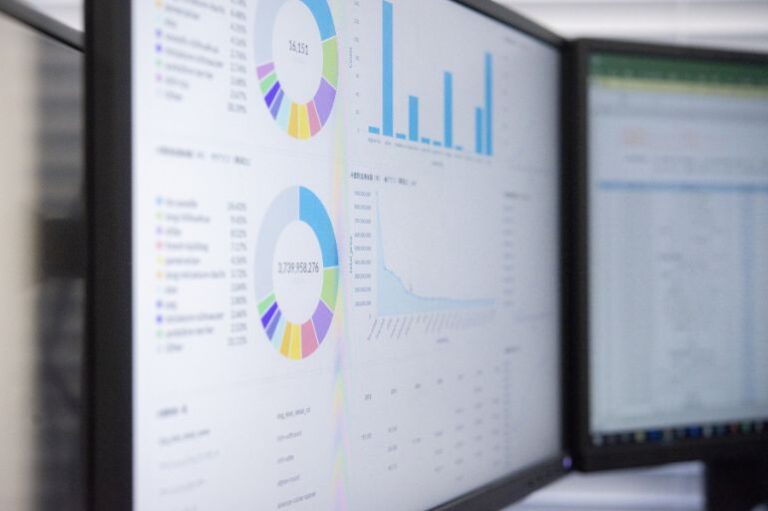
Yet how many Fleet Managers can pull out their phone right now and confidently show someone how their fleet is performing?
Can you see your current utilisation rates? Do you know whether your maintenance costs are trending up or down? Can you demonstrate how your replacement strategy is reducing whole-of-life costs?
More importantly, can you show the executive team how much money good fleet management is saving the organisation?
This is where fleet management maturity becomes important.
Maturity isn’t about buying the latest software or creating colourful dashboards. It’s about having the policies, processes and reliable information needed to manage fleet assets effectively.
It’s about knowing your numbers, understanding what they mean and using them to make better decisions.
And ideally, having that information available whenever you need it.
Let’s make fleet data something to brag about
Fleet management can be a tough job. When everything is running smoothly, nobody notices. When something goes wrong, everyone suddenly wants to talk to the Fleet Manager.
Perhaps better access to performance data could help change that.
Instead of only discussing vehicle breakdowns, rising costs and budget pressures, Fleet Managers could be proudly demonstrating the value they’re delivering.
We should be celebrating improvements in utilisation, reductions in whole-of-life costs, better maintenance outcomes and lower emissions.
And we should be just as keen to share those results as someone who’s managed to run their house on solar power for three days without buying electricity from the grid.
The technology is available. The data is being collected. And the potential savings are significant.
Now we need to make the information accessible, meaningful and interesting enough that Fleet Managers actually want to look at it.
Maybe we’ll know fleet management has reached a new level of maturity when Fleet Managers start gathering around at conferences, pulling out their phones and comparing KPIs instead of talking about the latest vehicle models.
So here’s a challenge for Fleet Managers.
Next time someone proudly shows you how much money their solar panels have saved them, pull out your fleet dashboard and show them what you’ve saved your organisation.
And if you can’t do that yet, perhaps that’s a good place to start your fleet management maturity journey.