

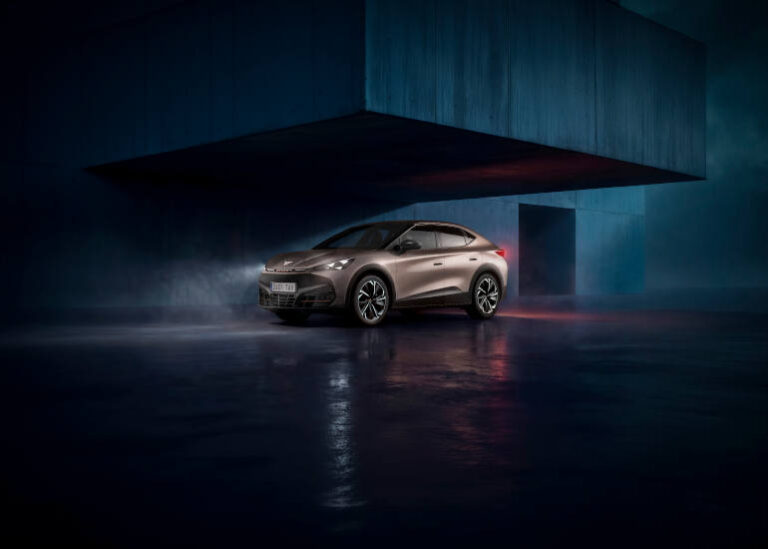
CUPRA will expand its Tavascan electric SUV range in Australia from late August with a new lower-priced V variant, providing fleet buyers with a third battery-electric option in the medium SUV segment.
Priced from $55,490 before on-road costs, the rear-wheel-drive Tavascan V sits below the 210kW Tavascan Endurance, priced from $66,490, and the 250kW all-wheel-drive Tavascan VZ at $75,490.
The new entry model uses a 140kW electric motor and a 58kWh lithium iron phosphate battery. CUPRA claims a WLTP range of approximately 414km and DC fast-charging capability of up to 105kW, with a 10 to 80 per cent recharge taking about 26 minutes in ideal conditions.
For fleet operators, the new variant brings a lower capital cost but retains equipment that may be relevant for driver acceptance and safety. Standard features include heated and memory front seats, a 360-degree camera, wireless phone charging, premium audio and 20-inch wheels.
The Tavascan Endurance remains the longest-range model in the lineup, using a 210kW rear-mounted motor and 77kWh battery. CUPRA claims a WLTP range of approximately 520km. The Endurance now includes equipment that was previously part of an optional Interior Package.
At the top of the range, the Tavascan VZ combines dual electric motors and all-wheel drive, producing 250kW. Its claimed WLTP range is 509km.
All MY26 Tavascan variants receive a larger 10.25-inch digital instrument display, replacing the previous 5.3-inch unit. CUPRA has also moved from haptic steering-wheel controls to physical buttons, a change that may improve usability for drivers operating the vehicle regularly.
Other updates include speed sign recognition, revised wireless charging hardware, electrically operated air vents and infotainment software changes.
The Tavascan is covered by a five-year, unlimited-kilometre vehicle warranty and five years of roadside assistance. Its high-voltage battery is covered for eight years or 160,000km.
The new V broadens the Tavascan’s potential fleet role, particularly for organisations seeking an electric medium SUV with a lower purchase price and sufficient range for metropolitan and regional day-to-day operations. Fleet suitability will ultimately depend on charging access, driver travel patterns, whole-of-life costs and the organisation’s requirements for towing, cargo space and all-wheel-drive capability.