
Latest News
A donated Toyota HiAce camper is helping a Brisbane barber take his mission to support…
BYD continues to shake up the Australian new car market with competitive pricing, plenty of…
Fleet technology provider Microlise has appointed Patrick Viney as Regional Sales Director – APAC, as…
Have you noticed how excited people get about their solar panels and home batteries? They’ll…
BYD is coming hard and fast in the Australian market. From small SUVs to large SUVs, plug-in hybrids, electric vehicles and even the Shark 6 ute, the brand is turning heads and changing minds. This time I’ve been driving the BYD Sealion 7 Performance AWD, a stylish, powerful and well-equipped electric SUV. But there’s one question I wanted to answer. Is this a sensible choice for a company fleet, or is it better suited to someone looking for a novated lease? After spending time behind the wheel, I think the answer is pretty clear. The numbers – Premium vs Performance The Sealion 7 is available in two variants, Premium Rear-Wheel Drive and Performance All-Wheel Drive. Both use BYD’s 82.56kWh Blade Battery, but there are some important differences. SpecificationPremium RWDPerformance AWDBattery capacity82.56kWh82.56kWhDriving range (WLTP)482km456kmMaximum power230kW390kWMaximum torque380Nm690Nm0–100km/h6.7 seconds4.5 secondsDrive systemRear-wheel driveAll-wheel driveAlloy wheels19-inch20-inchKerb weight2,225kg2,340kgDC charging capacity150kW150kWAC charging capacity11kW11kW Source: BYD Sealion 7 Australian specifications brochure, 2026. Range figures are WLTP combined-cycle estimates. From a fleet perspective, the Premium looks like the smarter purchase. It has the same battery, offers more driving range and delivers plenty of power for everyday use. But if you’re choosing a vehicle through a novated lease, the Performance becomes much more interesting. Behind the wheel – plenty of performance The first thing you notice when driving the Sealion 7 Performance is the acceleration. With 390kW and 690Nm available from its dual electric motors, this thing absolutely hammers. BYD claims 0–100km/h in 4.5 seconds, and I certainly believe it. Even in Normal driving mode, there’s more than enough acceleration to put a smile on your face. Out on the motorway, the Sealion 7 feels planted, comfortable and quiet. There’s a little road noise from the tyres, but that’s hardly surprising with 20-inch wheels. The suspension does a good job of keeping everything comfortable without feeling too busy, and the steering is predictable. My only frustration was the lane-keeping assistance, which can be a little enthusiastic about pulling the steering wheel to keep you centred in your lane.…
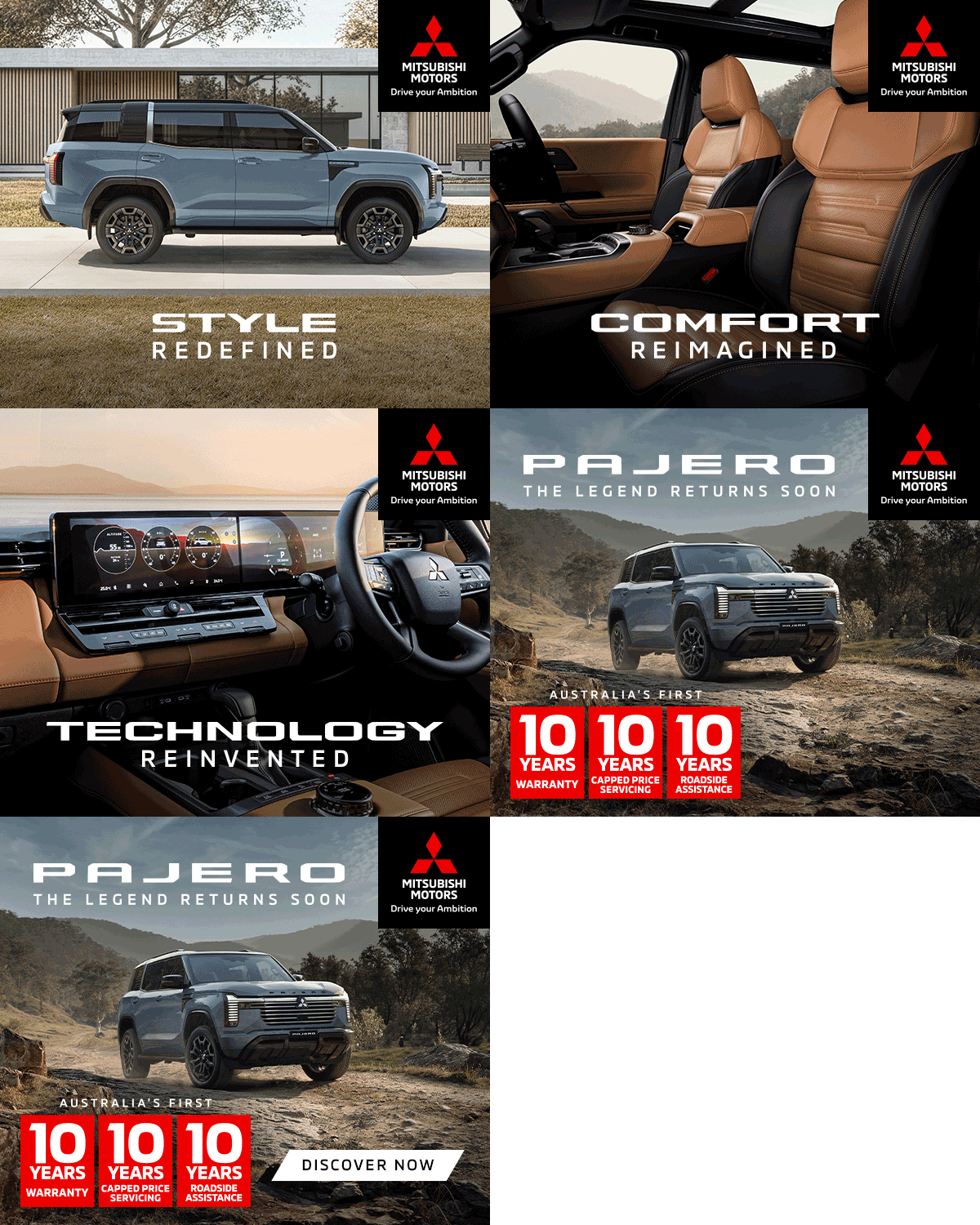
The new Mitsubishi Pajero will arrive in Australian showrooms in December with a range of…
Artificial intelligence is starting to move beyond fleet dashboards and reporting, with DingGo developing technology…
Kia Australia has launched the all-new Seltos, introducing hybrid technology for the first time and…
Hyundai has added two new special-edition hybrid SUVs to its Australian line-up, introducing the KONA…
Commercial fleet buyers have more choice than they have had for years, particularly across vans,…
Switching from diesel to electric vehicles doesn’t necessarily mean starting from scratch. Hyundai says the…
Volkswagen has confirmed the next-generation T-Roc will arrive in Australian showrooms in early 2027, introducing…
Opinion article authored by Dan Winson, Founder and CEO, Zetifi Connected fleet technology has become…
Spring is traditionally a time of renewal and fresh beginnings, and 2026 has certainly delivered…
Ask a fleet manager where vehicle 47 is, and they’ll have it on screen in…
Battery electric vehicles accounted for almost one in four new vehicle sales in October 2026,…