
At the 2026 IPWEA Fleet Management Training Days, 54% of respondents to the heavy vehicle procurement question said the process took 13 months or longer. For light vehicles, 64% reported procurement in under six months.
Heavy plant also needs a head start. Seven to 12 months was the most common timeframe, reported by 55% of respondents, while 41% reported 13 months or longer. The survey asked about the overall procurement process, which can include internal approvals, specification development and tendering as well as supplier delivery.
For fleet practitioners, that makes two conversations worth having well before a heavy asset is due for replacement. The first is with finance about when funding decisions need to be made. The second is with operators and workshop teams about what the replacement needs to do.
Get finance involved before the budget is set
Fleet and finance teams need a shared understanding of how heavy fleet procurement works so the budget aligns with the organisation’s approval, tendering and purchasing processes. Finance needs to know when approvals are required, when the organisation expects to commit funds and when payments are likely to fall. The fleet team needs to understand which budget decisions could affect the date the asset enters service.
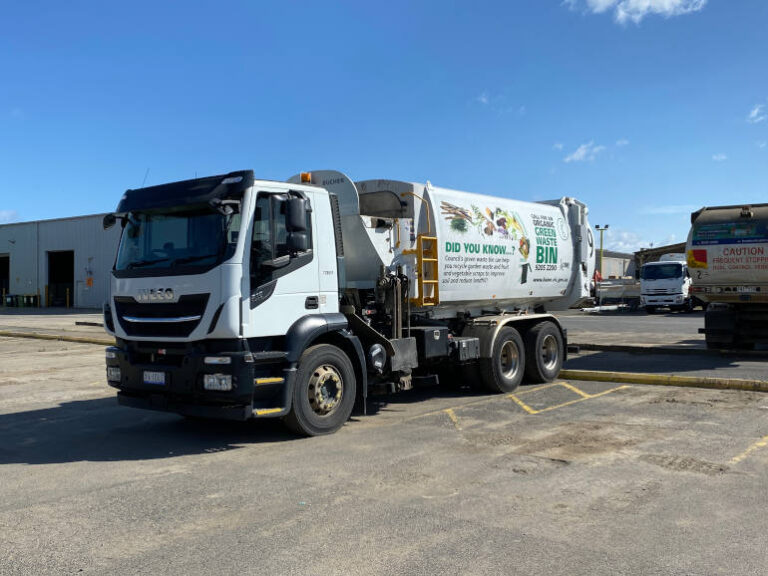
Take a waste truck that needs to be operating at the start of a new financial year. If the tender can only begin once that year’s budget opens, the existing truck may have to stay in service well past its planned replacement date. That could mean extra maintenance, a hire vehicle or a backup arrangement to keep collections running.
Work backwards from the date the replacement needs to enter service. Allow time for commissioning, delivery, tendering, specification development and approvals. Put those milestones in the fleet asset management plan so finance, procurement and operations can see what needs to happen in each budget year.
Write the specification before the replacement is due
The survey found that 89% of respondents to the specifications question reported having standard specifications for light vehicles. That fell to 51% for heavy vehicles and 41% for heavy plant.
Writing a good specification starts with the job the asset needs to do. For a heavy vehicle or piece of plant, that can mean documenting the loads it needs to carry or lift, where it operates, the body or attachments it needs, and what operators and workshop staff require to use and maintain it safely. Clear requirements help suppliers prepare comparable offers and give the fleet team a basis for checking that the delivered asset is fit for purpose.
Fleet teams can develop specifications internally with operators, workshop staff and procurement, or source a proven example from a similar organisation and adapt it to their own service requirements. Either way, the work should start well before the asset is due for replacement. Reviewing what worked on the previous asset, and what caused problems, makes each procurement an opportunity for continuous improvement.
Compare notes at the IPWEA Fleet Conference
How far ahead does another council start its waste truck procurement? How does it align a multi-year purchase with its budget cycle? What did its team change in the specification after the last delivery?
The IPWEA Fleet Conference gives fleet practitioners a chance to ask those questions directly, share their own experience and bring practical ideas back to their teams. Hearing how another organisation plans its renewals or develops specifications can help practitioners strengthen their own processes and build fleet management maturity.