

Most businesses invest time and resources into training employees to work safely. Warehouses, construction sites and manufacturing facilities typically operate under structured safety management systems designed to reduce risk and protect workers.
However, one workplace is often overlooked: the vehicle.
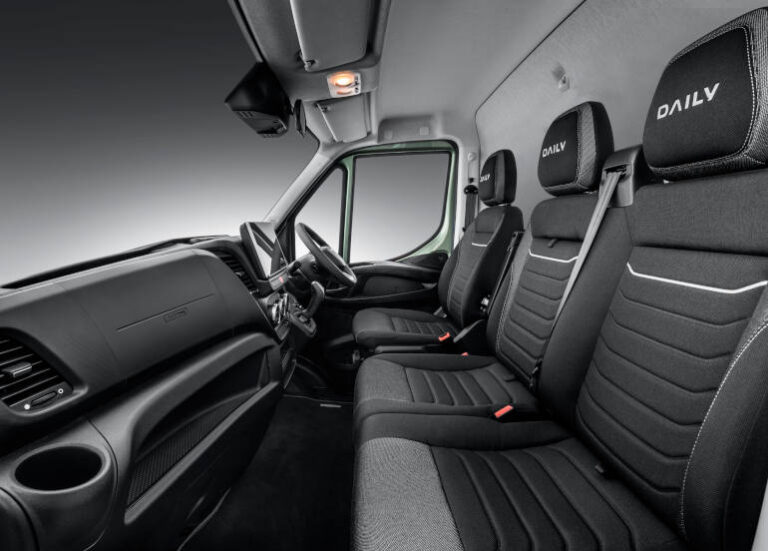
For employees who drive as part of their job, the road is effectively a workplace. Just like an office, factory floor or construction site, it carries risks that need to be managed through training, awareness and organisational culture.
Programs delivered by organisations such as the NRMA highlight that corporate driver training is not just about teaching people how to drive—it is about helping businesses manage risk, improve safety outcomes and build a culture that supports responsible driving.
Start with the basics: road rules
Many drivers obtained their licence decades ago and have not formally reviewed road rules since.
Over time, rules change and new regulations are introduced. Concepts such as safe following distances, mobile phone restrictions, roundabout rules and school zone requirements are updated regularly.
Corporate driver training provides an opportunity for employees to refresh their understanding of the road rules that apply to them today.
This basic knowledge is essential because even experienced drivers can develop habits over time that drift away from current best practice.
Attitude and workplace culture matter
Driver behaviour is strongly influenced by workplace culture.
Many organisations promote two competing priorities: do the job efficiently and do the job safely. When these priorities are not clearly balanced, employees may feel pressure to prioritise speed and productivity over safety.
Drivers who believe they must arrive faster, complete more jobs or meet unrealistic timeframes may take unnecessary risks on the road. This can include speeding, aggressive driving or ignoring safe driving practices.
NRMA Corporate Driver Training helps address this issue by reinforcing that safety must always take priority over efficiency.
When businesses clearly communicate this expectation and support it through training and leadership, drivers are less likely to take risks simply to appear productive.
Understanding modern vehicle technology
A growing challenge for businesses is the rapid increase in driver assistance technologies in modern vehicles.
Specifications for new vehicles now commonly include systems such as:
- AEB – Autonomous Emergency Braking
- LHA – Lane Keep Assist or Lane Holding Assist
- ACC – Adaptive Cruise Control
These systems are designed to improve safety, but they also change the way vehicles behave.
Many drivers are unfamiliar with how these technologies operate, how they interact with other vehicles on the road, or when they may intervene.
For example, sudden braking from an AEB system or steering inputs from lane assistance technology can surprise drivers who do not fully understand the systems.
Corporate driver training increasingly includes education on these technologies so drivers understand their purpose, limitations and correct use.
Apply workplace safety systems to driving
Industries such as logistics, construction and manufacturing have developed strong safety management systems to protect workers in physical workplaces.
Risk assessments, training programs, incident reporting and continuous improvement processes are standard practice.
The same approach should be applied to driving for work.
Vehicles represent one of the highest-risk environments for many employees, yet formal training and risk management practices are often less developed compared with other workplace activities.
Treating driving as a workplace activity means applying the same principles:
- clear safety policies
- structured training
- monitoring and reporting of incidents
- continuous improvement in safety outcomes
Building safer fleets through training
Corporate driver training helps businesses strengthen their overall safety culture while reducing the likelihood of crashes, injuries and vehicle damage.
It also helps employees feel more confident and capable when driving for work.
Programs offered by organisations such as the NRMA combine road rule refreshers, behavioural awareness and education on modern vehicle technology to help businesses manage one of their most overlooked workplace risks.
For organisations that rely on vehicles, recognising the road as a workplace is an important step towards creating safer and more responsible fleet operations.