

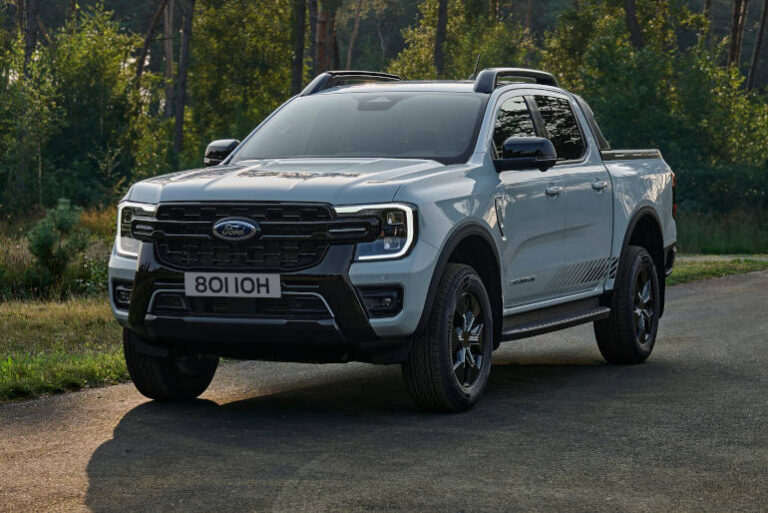
The Australian ute market is undergoing a significant transformation in 2025. With evolving powertrains, new entrants, and the impending New Vehicle Efficiency Standards (NVES) kicking off, fleet buyers face an increasingly complex landscape. The key to navigating these changes? Asking the right “fit for purpose” questions.
Understanding fit for purpose
Selecting the right ute starts with a simple but critical question: What tasks will this vehicle perform? Whether it’s towing heavy loads, carrying tools securely, transporting employees to remote job sites, or simply offering a versatile solution for both work and lifestyle needs, not all utes are created equal. With more options than ever, it’s essential to match the vehicle to the specific requirements of your fleet.
New entrants and powertrain innovations
The market is buzzing with new entrants aiming to shake up traditional ute offerings. One of the most talked-about arrivals is the BYD Shark Plug-In Hybrid—a ute that blends SUV comfort with utility. However, its SUV-like design might not meet the needs of fleets requiring rugged workhorses.
Meanwhile, Kia has entered the fray with the Tasman, a versatile ute designed with both fleet and lifestyle buyers in mind. Offering a range of body styles—from single cab to dual cab, cab chassis to tub—the Tasman aims to provide fit-for-purpose solutions for a wide array of fleet tasks.
Ford, a market leader, isn’t standing still. The Ford Ranger Plug-In Hybrid is set to offer traditional diesel-like performance, including towing and payload capacities, while embracing a cleaner powertrain. For fleets requiring more grunt, the upcoming Ford Super Duty promises a significant boost in towing and payload without forcing buyers into the small truck category.
Toyota is also adapting to the NVES by introducing a 48-volt mild-hybrid Hilux, reducing fuel consumption and emissions while retaining the ute’s rugged reputation. Similarly, Mitsubishi’s all-new Triton now boasts a Euro 6 diesel engine, improved safety features, and better driving dynamics—appealing to fleets mindful of both performance and emissions.
Mazda and Isuzu have responded with efficiency-focused updates, including the introduction of a 1.9-litre four-cylinder diesel for the BT-50 and D-Max, providing fleets with lower-emission alternatives without compromising capability.
Emerging contenders
The GWM Cannon Alpha Plug-In Hybrid is positioning itself as a serious contender with claims of superior off-road ability and a substantial 110km electric-only range. With mechanical four-wheel drive and significant towing capacity, it challenges the BYD Shark’s more lifestyle-focused design.
On the fringes, the Volkswagen Amarok targets lifestyle buyers, while electric options like the locally converted Ford F-150 Lightning and the LDV eTerron9 add even more diversity to the ute market.
The NVES impact and availability concerns
The NVES will undoubtedly push manufacturers toward cleaner, more efficient utes. However, fleet buyers should be aware that popular base-model diesel utes may become harder to source or see price increases as manufacturers prioritise higher-spec, lower-emission models to meet NVES targets.
The takeaway
With more choice than ever, the question for fleet buyers is no longer just about brand or price—it’s about purpose. By focusing on what tasks the vehicle must perform, fleet managers can ensure they’re selecting the best tool for the job, all while navigating evolving standards and powertrain options.