
Managing a fleet is about more than choosing the right vehicles. Strong fleet performance comes from a combination of planning, maintenance, driver behaviour and operational support. When these elements work together, organisations can improve safety, reduce costs and keep vehicles operating efficiently.
The following five steps outline practical ways fleets can improve performance, with support services available through the NRMA to help keep vehicles on the road and drivers supported.
1. Keep vehicles moving with roadside support
Unplanned breakdowns disrupt operations, delay deliveries and reduce productivity. Even a simple issue such as a flat battery or tyre can take a vehicle out of service for hours if support is not immediately available.
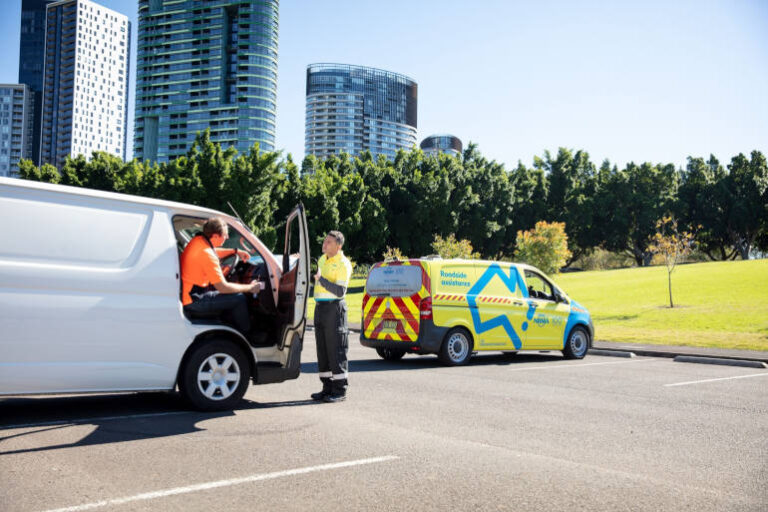
Access to NRMA Business Roadside Assistance ensures vehicles can return to service quickly when problems occur. Services such as jump-starts, tyre changes, lockout assistance and towing help minimise downtime and keep drivers moving.
For fleet operators, roadside support also provides peace of mind for drivers working across regional areas or travelling long distances.
2. Invest in driver training
Driver behaviour has a major influence on fleet safety, fuel consumption and vehicle wear.
The NRMA offer structured Corporate Driver Training programs to help improve skills such as hazard awareness, defensive driving and efficient vehicle operation. These programs can also address issues such as harsh braking, rapid acceleration and poor driving habits that increase fuel consumption and emissions.
Training drivers to operate vehicles more smoothly reduces accident risk, lowers fuel use and extends the life of tyres, brakes and other components.
3. Prevent breakdowns with battery checks
Flat batteries remain one of the most common causes of vehicle breakdowns. For fleet vehicles operating daily, battery condition can deteriorate quickly without regular inspection.
Routine battery testing and maintenance allows potential issues to be identified before failure occurs. Proactive battery management reduces the risk of vehicles being immobilised unexpectedly and helps fleet managers plan replacements before problems arise.
Regular checks also help ensure vehicles start reliably, particularly for fleets operating early morning shifts or in cold conditions.
4. Monitor EV battery health
As fleets transition to electric vehicles, battery performance becomes a key operational factor.
Battery health checks provide insight into the condition of EV battery systems, helping fleet managers maintain range and vehicle performance over time. Monitoring battery health can also support asset management decisions, including vehicle replacement planning and warranty management.
Understanding battery performance ensures EVs continue to operate efficiently within fleet duty cycles.
5. Manage charging proactively
Charging strategy is an important part of EV fleet operations. Vehicles that are poorly charged or charged at the wrong time can experience reduced range, increased downtime or unnecessary energy costs.
Proactive charging management ensures vehicles are charged when needed and ready for daily operations. Monitoring charging behaviour can also help fleets optimise energy use, reduce operating costs and maximise vehicle availability.
For fleets integrating EVs into mixed vehicle operations, structured charging management supports reliability and consistent performance.
Supporting better fleet outcomes
Fleet management is an ongoing process of improvement. By focusing on driver behaviour, preventative maintenance and operational support, organisations can reduce downtime, improve safety and lower operating costs.
Services offered by the NRMA — including business roadside assistance, Corporate Driver Training, battery health checks and EV charging support — provide practical tools that help fleets operate more reliably and efficiently.