

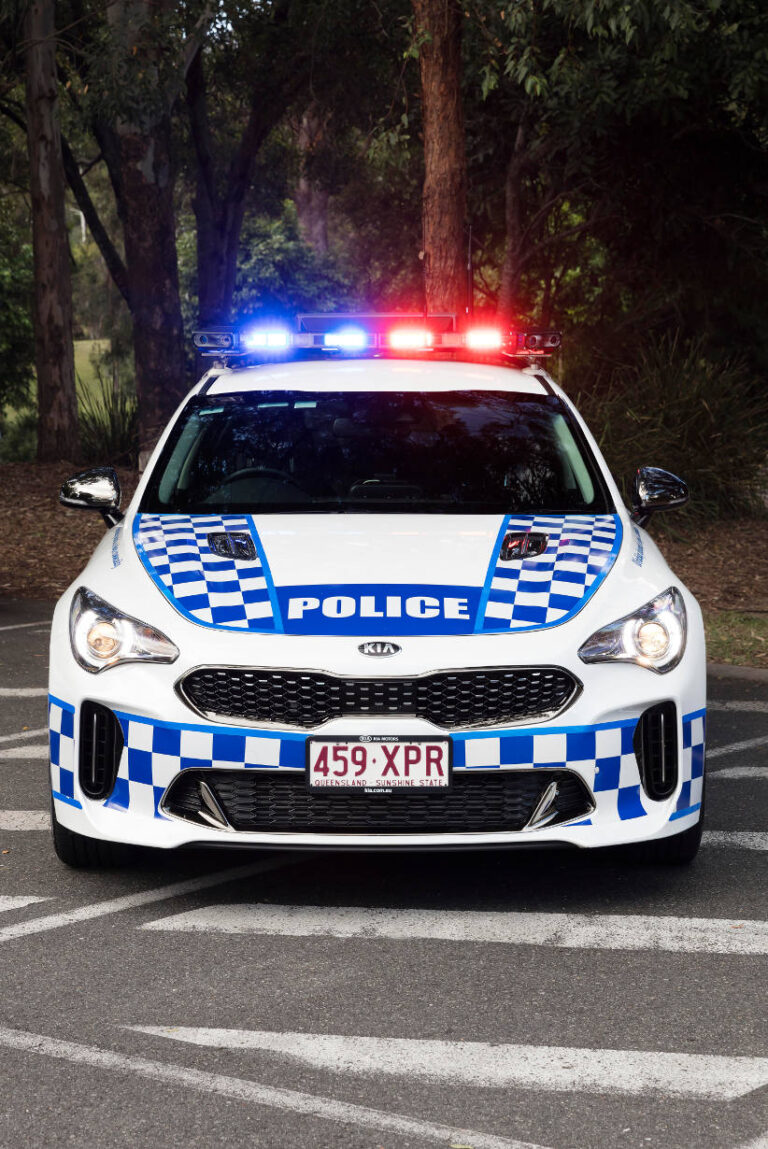
A recent media report highlighting up to 400 Queensland Police vehicles sitting idle—many out of warranty, with flat tyres, and past their scheduled replacement date—has reignited an important discussion for Fleet Managers: are your assets being utilised effectively, and are you sticking to your replacement strategy?
The report, which quoted Queensland Police Union President Shane Prior, estimated the idle vehicles to be worth around $8 million. While the circumstances behind the backlog are unique to the challenges of a large emergency services fleet, the implications are relevant to every fleet operation—whether you’re managing 10 or 1,000 vehicles.
Prior’s comments pointed to issues beyond the vehicles themselves. “Some have been out of warranty. Some have got flat tyres,” he said, suggesting delays in upfitting, maintenance, or simply a breakdown in communication between operational teams and fleet services.
A Fleet Asset Without a Purpose Is a Cost
Fleet vehicles are only valuable when they’re performing their role. When they sit idle—whether because they’re waiting on livery, accessories, or approval to be replaced—they become a sunk cost: depreciation continues, insurance and registration costs remain, and they take up valuable real estate in the yard.
In the case of the Queensland Police, Acting Commissioner Shane Shepley acknowledged the issue was raised in May and confirmed that the backlog is now being cleared through a coordinated working group between fleet services and operational stakeholders. That’s a positive resolution, but it raises a broader point for all organisations: how often are vehicles left idle in your fleet, and do you know why?
Utilisation: Know It, Track It, Act on It
Fleet utilisation is one of the most discussed—and misunderstood—metrics in fleet management. Simply having a vehicle on the books doesn’t make it productive. True utilisation considers:
- Time in service – how many days per year is the vehicle operational?
- Kilometres travelled – is the vehicle doing what it was built or bought for?
- Fit-for-purpose usage – is the vehicle still appropriate for its task?
Low utilisation can be a sign of poor planning, vehicle oversupply, seasonal variance, or—more often than not—a replacement schedule that has slipped through the cracks.
Replacement Schedules: Planning Ahead, Not Reacting Late
Even well-run fleets sometimes fall into the trap of deferring vehicle replacement. Reasons vary: budget delays, shifting priorities, or simply the assumption that extending the life of a vehicle saves money.
But there’s a real cost to running vehicles past their prime. These include:
- Increased maintenance and repair costs
- Greater risk of downtime
- Higher fuel consumption
- Driver dissatisfaction or safety risks
- Lower resale or trade-in value
And when a vehicle reaches end-of-life but isn’t formally removed or replaced, it often sits idle.
Many local governments and businesses face a common issue: they may have a replacement policy on paper, but not the funding commitment to execute it. This disconnect between asset management plans and capital budgets means vehicles stay on the books longer than they should—until something breaks, or a news report draws attention.
A Wake-Up Call for Fleet Managers
The situation with Queensland Police should serve as a timely reminder for all fleet professionals. If the media isn’t asking, it will be other stakeholders in your organisation.
Here’s some practical tips to stage away from the headlines:
- Have a clear replacement strategy – and make sure it’s linked to real-world budget planning.
- Monitor utilisation data regularly – not just mileage, but hours of use, operational availability, and job suitability.
- Engage stakeholders – operations, finance, procurement, and executive leadership need to understand the costs of under-utilised or overdue assets.
- Act on warning signs early – vehicles out of warranty, parked for weeks, or waiting on final fit-out are red flags, not assets.
Fleet Services Are a Strategic Function
What this media story really highlights is that fleet management is more than just vehicles—it’s about systems, governance, and cross-department collaboration.
Delays in fit-out, budget approvals, or communication between procurement and end users can lead to costly inefficiencies. It’s also a reminder that even large, well-resourced organisations can fall behind without a proactive strategy.
We recognise that managing utilisation and replacement isn’t always easy—but it’s essential. When vehicles sit idle, they’re not just unused—they’re costing you money, time, and potentially your reputation.
Now is the time to review your replacement policies, run a utilisation report, and ask: what’s the true cost of the vehicles you’re not using?